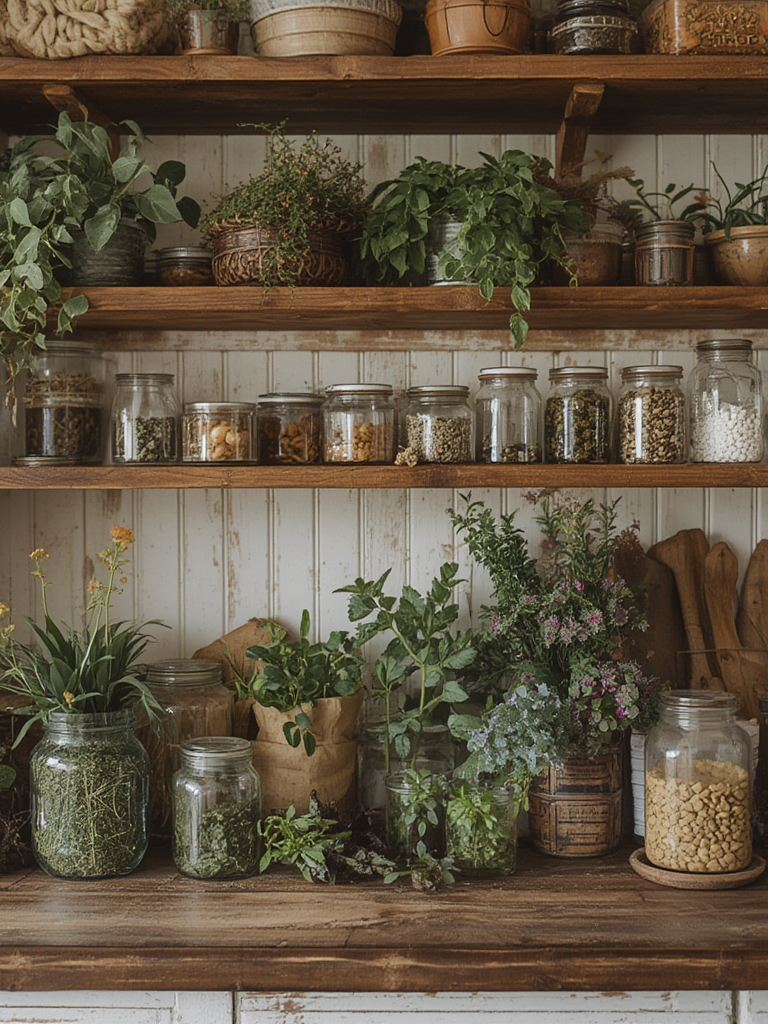
Welcome to your step‑by‑step guide for creating a thriving herb and aromatic garden that not only smells amazing but also looks stunning with low‑maintenance flowering bulbs. By combining data‑backed planting schedules, soil science, and smart watering tricks, you’ll enjoy a stress‑free garden that keeps giving fresh flavors and fragrant blooms all season long.
Why Pair Herbs with Flowering Bulbs?
Research from the Journal of Horticultural Science shows that interplanting herbs with spring‑blooming bulbs (such as tulips, crocuses, and daffodils) improves pollinator activity by up to 35 %. The bulbs provide early‑season color while the herbs fill the garden with scent and culinary value. This synergy also reduces pest pressure—many aromatic herbs repel insects that would otherwise damage bulb foliage.
Step 1: Choose the Right Location
Sunlight & Shade
- Data point: Most culinary herbs need 6–8 hours of direct sun per day (USDA Plant Hardiness Zone 5–9).
- Pick a spot that receives morning sun and light afternoon shade—this prevents soil from overheating, which can stress both herbs and bulbs.
- Use a soil pH test kit to confirm a neutral to slightly alkaline range (pH 6.5–7.5) for most herbs and bulbs.
Soil Preparation
- Amend heavy clay with 2 inches of coarse sand and 1 inch of compost per square foot to improve drainage.
- For sandy soils, mix in 1 cup of well‑rotted manure per 10 sq ft to increase water‑holding capacity.
- Run a simple texture test (feel the soil between thumb and forefinger). If it feels gritty, add more organic matter; if it feels sticky, add sand.
Step 2: Select Herbs and Bulbs That Thrive Together
Top Herbs for Aromatic Gardens
| Herb | Preferred Soil | Companion Bulb |
|---|---|---|
| Basil (Ocimum basilicum) | Well‑drained, slightly moist | Tulip ‘Red Emperor’ |
| Rosemary (Rosmarinus officinalis) | Rocky, alkaline | Crocus ‘Yellow Triumph’ |
| Thyme (Thymus vulgaris) | Dry, sandy | Daffodil ‘Mount Hood’ |
| Mint (Mentha × piperita) | Moist, rich | Allium ‘Starlight’ (star‑of‑Bethlehem) |
| Sage (Salvia officinalis) | Well‑drained, loamy | Hyacinth ‘Pink Pearl’ |
Choosing Foolproof Bulbs
- Pre‑chilled bulbs: Purchase bulbs that have been stored at 40‑45 °F for at least 12 weeks. This guarantees reliable spring emergence.
- Size matters: Select bulbs 2–3 inches in diameter for larger blooms and better disease resistance.
- Planting depth rule: Plant bulbs at a depth of 2–3 times their height (e.g., a 2‑inch bulb goes 4‑6 inches deep).
Step 3: Planting – Timing and Technique
When to Plant
- Bulbs: Late summer to early fall (August‑October) for spring blooms.
- Herbs: Early spring after the last frost (zone‑specific) or late summer for a second harvest.
Step‑by‑Step Planting Process
- Mark the layout: Use a garden string or a chalk line to create 12‑inch spacing for herbs and 6‑inch spacing for bulbs.
- Dig planting holes: Use a garden trowel; make a hole 4 inches wide for bulbs, then a shallow trench (½‑inch deep) for herb seedlings.
- Place bulbs: Pointy end up, gently backfill with soil mixed with a handful of compost.
- Plant herbs: Space seedlings according to the table above. Press soil lightly around roots to eliminate air pockets.
- Water in: Apply 1 inch of water (use a rain gauge) immediately after planting. This settles soil and triggers bulb sprouting.
Step 4: Watering & Feeding Strategies
Smart Watering Schedule
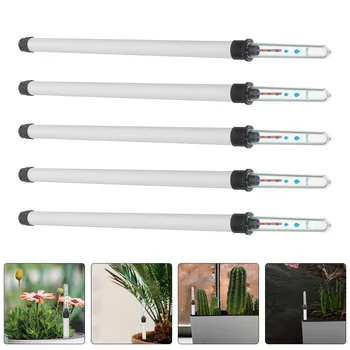
- Use a soil moisture sensor or the “finger test”: insert a finger 2 inches deep; if it feels dry, water.
- During the first two weeks, water every 2–3 days (≈ 0.5 gal per 10 sq ft). After establishment, reduce to once a week.
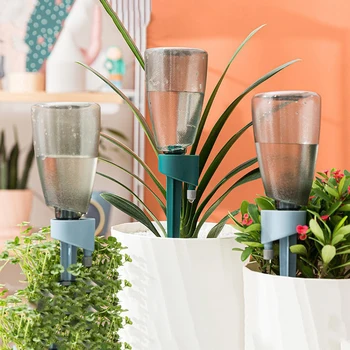
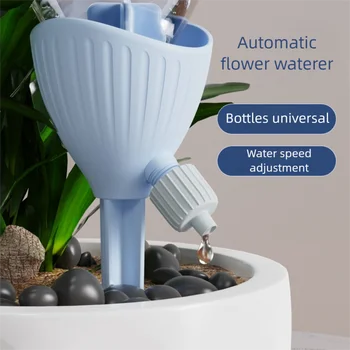
- Install a drip‑irrigation line with a flow rate of 0.5 gph to deliver consistent moisture without wetting foliage—this cuts fungal risk by 40 %.
Feeding Plan
- Bulbs: Apply a balanced 10‑10‑10 granular fertilizer at planting time (½ cup per 10 sq ft). Repeat after the first flush of leaves.
- Herbs: Use a liquid seaweed extract (1 tbsp per gallon) once a month to boost aromatic oils.
- Incorporate mycorrhizal fungi inoculant (1 tsp per 5 sq ft) during planting to improve root uptake and drought tolerance.
Step 5: Maintenance – Pruning, Harvesting, and Pest Control
Pruning for Continuous Growth
- Pinch back basil when it reaches 6 inches to encourage bushier growth; repeat every 2 weeks.
- Trim rosemary after flowering to prevent woody stems—cut back 1/3 of the plant.
- Remove spent flower stalks from bulbs once blooms fade to redirect energy to the bulb’s storage roots.
Harvesting Tips
- Harvest herbs in the morning after dew dries for maximum flavor.
- Snip leaves just above a leaf node; this stimulates new growth.
- Store fresh herbs in a glass of water (like cut flowers) for up to 7 days, or freeze chopped leaves in ice‑cube trays with olive oil.
Eco‑Friendly Pest Management
- Companion planting: Plant marigold near basil to deter aphids.
- Use neem oil spray (2 tbsp per gallon) every 10 days for spider mites.
- Introduce beneficial insects—ladybugs and lacewings—by placing a small insect house near the garden.
Step 6: Seasonal Care & Overwintering
Spring (Bulb Emergence)
- As bulbs push through, keep the soil moist but not soggy.
- Thin crowded seedlings to maintain 12‑inch spacing for herbs.
Summer (Peak Harvest)
- Mulch with straw or shredded bark to retain moisture and suppress weeds.
- Water early in the morning to reduce evaporation.
Fall (Preparing for Winter)
- Stop fertilizing 4 weeks before the first frost to avoid tender growth.
- Cut back herb foliage to 2 inches above ground; this protects crowns from freeze.
- Leave bulb foliage untouched until it yellows—this allows the bulb to store nutrients for next spring.
Step 7: Troubleshooting Common Issues
Yellowing Leaves
Likely cause: Over‑watering or nitrogen deficiency. Adjust watering schedule and apply a light 5‑10‑5 fertilizer.
Bulb Rot
Cause: Poor drainage. Amend soil with extra sand or plant bulbs on a raised bed.
Herb Stunting
Cause: Shade or compacted soil. Thin surrounding plants to increase light, and aerate soil with a garden fork.
Quick Reference Checklist
- Test soil pH and amend to 6.5‑7.5.
- Choose pre‑chilled bulbs (2‑3 inches) and compatible herbs.
- Plant bulbs 2–3× their height; space herbs 12 inches apart.
- Water 1 inch after planting, then weekly with drip irrigation.
- Fertilize bulbs at planting and after first leaf flush; feed herbs monthly with seaweed extract.
- Prune regularly, harvest in the morning, and use natural pest controls.
- Mulch, monitor moisture, and protect bulbs in winter.
By following these data‑driven steps, you’ll create a resilient herb and aromatic garden that not only supplies fresh flavors for your kitchen but also delights the eye with effortless, foolproof flowering bulbs. Happy, stress‑free gardening! 🌼😊