Creating a garden that thrives while protecting the planet is both rewarding and surprisingly simple when you follow a data‑driven, step‑by‑step approach. Sustainable gardening isn’t just about using organic fertilizers; it’s a holistic system that blends soil health, water efficiency, biodiversity, and year‑round aesthetics. Below you’ll find clear, actionable steps backed by research and real‑world results, plus handy tips to keep your outdoor space fresh every season with decorative ideas 🍁🌸❄️.
1. Assess Your Site and Set Measurable Goals
Gather Baseline Data
- Use a soil test kit (available at most garden centers) to record pH, nitrogen, phosphorus, and potassium levels. Write down the results in a garden journal or a simple spreadsheet.
- Measure sunlight exposure: place a small notebook on the ground and note the hours of direct sun for each spot over three consecutive days.
- Map existing water runoff patterns after a rainstorm to identify low‑lying areas that may need drainage solutions.
Define Success Metrics
- Target a 20% reduction in supplemental watering within the first three months.
- Aim for at least 30% of your garden’s organic matter to come from on‑site compost by the end of the growing season.
- Plan to add three new pollinator‑friendly plants each spring.
Pro tip: Use a free app like Garden Planner to visualize plant placement based on your sunlight and soil data.
2. Build Healthy, Living Soil
Amend with Compost
- Start a kitchen‑scrap compost bin. Add fruit and vegetable peels, coffee grounds, and eggshells. Turn the pile weekly to speed up decomposition.
- When the compost is dark and crumbly (usually 2–3 months), spread a 2‑inch layer over your garden beds and lightly incorporate it into the top 6 inches of soil.
Use Mulch Wisely
- Apply a 3‑inch layer of organic mulch (shredded leaves, straw, or wood chips) after planting. Mulch conserves moisture, suppresses weeds, and adds nutrients as it breaks down.
- Re‑apply mulch annually in early spring to maintain coverage.
Pro tip: Measure soil moisture with a simple probe before watering; if the top 2 inches feel moist, skip irrigation.
3. Choose Native and Drought‑Resistant Plants
Research Local Species
- Consult your county’s extension service website for a list of native perennials, shrubs, and grasses.
- Prioritize plants with a documented water‑use efficiency rating (e.g., Salvia officinalis, Echinacea purpurea, or Lavandula angustifolia).
Plant in Strategic Groups
- Group plants with similar water needs together to simplify irrigation.
- Use the “right plant, right place” principle: sun‑loving herbs in the south‑facing bed, shade‑tolerant ferns under taller shrubs.
Pro tip: Stagger planting dates by two weeks to extend the blooming period and provide continuous habitat for pollinators.
4. Implement Water‑Smart Irrigation
Install Drip Irrigation
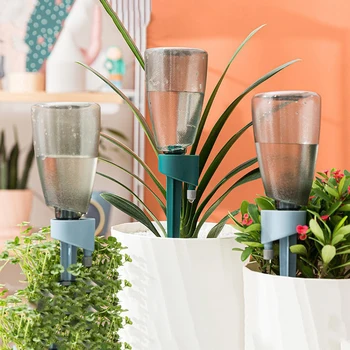
- Lay drip tubing along the base of each plant row. Use pressure‑compensating emitters (0.5–2 gph) to deliver water directly to the root zone.
- Connect a timer set to early morning (5–7 am) for optimal absorption and reduced evaporation.
Harvest Rainwater
- Place a 200‑gallon rain barrel under a downspout. Fit a mesh screen to keep debris out.
- Use a simple gravity‑fed hose attachment to water beds during dry spells, cutting down on municipal water use.
Pro tip: Track weekly water usage in your garden journal; aim for a 10% reduction each month by adjusting timer settings.
5. Manage Pests and Diseases Naturally
Encourage Beneficial Insects
- Plant a “bug hotel” using bamboo sticks, pine cones, and straw in a sunny corner to attract ladybugs, lacewings, and solitary bees.
- Include nectar‑rich flowers like yarrow and fennel to sustain these allies.
Apply DIY Sprays
- Mix 1 cup of neem oil, 1 tsp of mild liquid soap, and 1 gallon of water. Spray on leaves early morning to deter aphids and spider mites.
- Use a 1:1 solution of water and apple cider vinegar as a mild fungicide for early powdery mildew signs.
Pro tip: Conduct a weekly “scout walk” and record any pest sightings; early detection reduces the need for stronger interventions.
6. Refresh Your Outdoor Space Year‑Round with Seasonal Garden Decor Ideas 🍁🌸❄️
Spring – Bloom & Brighten
- Hang pastel‑colored fabric bunting between garden arches to celebrate new growth.
- Place reclaimed wooden pallets as low shelves for potted herbs; paint them in soft greens for a fresh look.
Summer – Cool & Comfortable
- String solar‑powered fairy lights across pergolas for evening ambience without extra electricity.
- Use large terracotta pots as “plant stands” and fill the gaps with aromatic herbs like mint and basil for natural fragrance.
Fall – Warm & Cozy
- Swap bright cushions for earth‑tone throws on garden benches; add a few pumpkin‑shaped planters for visual interest.
- Scatter dried seed heads and corn husks along pathways for a rustic texture that also provides habitat for beneficial insects.
Winter – Minimalist & Protective
- Wrap evergreen shrubs with burlap to protect against harsh winds while creating a soft, natural look.
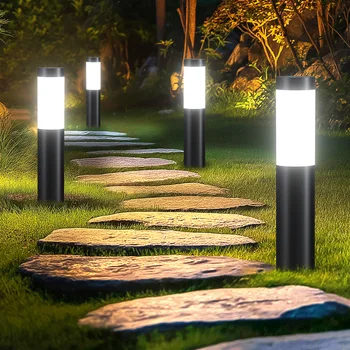
- Install a simple fire‑pit or a set of LED lanterns for low‑heat gathering spots, encouraging year‑round garden use.
Pro tip: Keep a small stash of weather‑resistant decorative items (e.g., metal wind chimes, glass globes) in a storage box. Rotate them each season to keep the garden feeling fresh without extra cost.
7. Track Progress and Adapt
Monthly Review
- Log plant health, soil moisture, and water usage in your garden journal.
- Compare data against the success metrics you set in Step 1. Adjust irrigation timers, add compost, or replace underperforming plants as needed.
Seasonal Reflection
- At the end of each growing season, conduct a quick soil test to see how nutrient levels have shifted.
- Plan next year’s plant list based on what thrived, what needed extra care, and any new pollinator species you’d like to attract.
By following these data‑driven steps and sprinkling in seasonal décor, you’ll create a garden that not only looks beautiful all year long but also contributes to a healthier ecosystem. Happy sustainable gardening!