

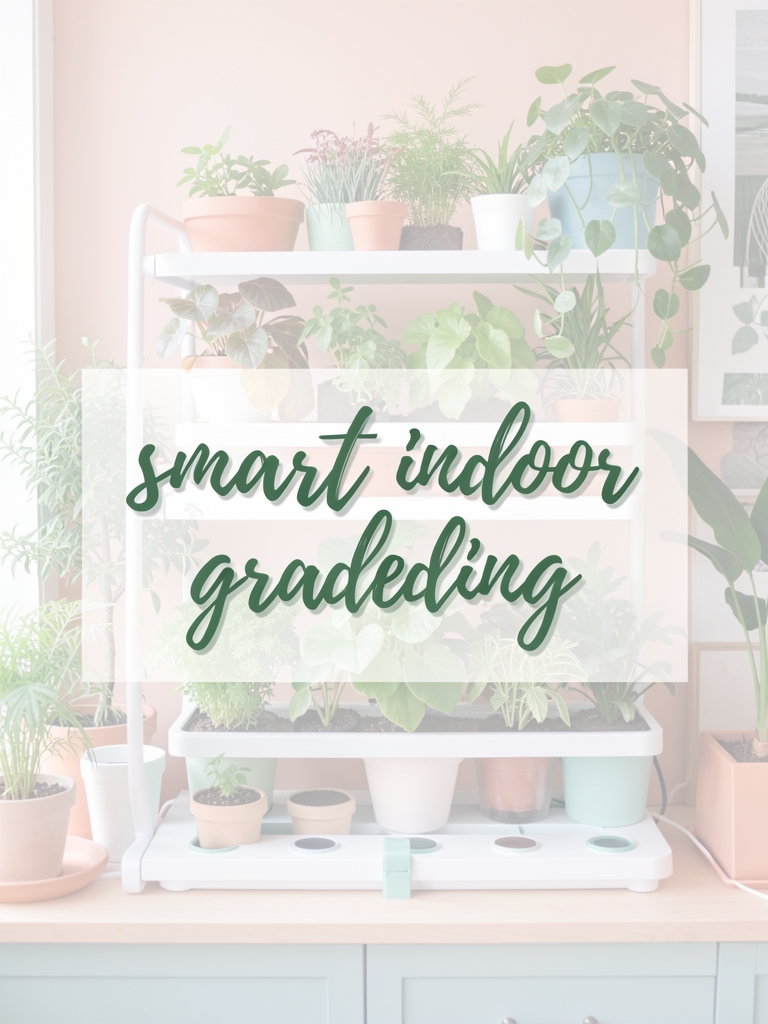
Welcome to the world of Smart Gardening for Eco‑Friendly Homes! Whether you have a tiny balcony or a spacious backyard, you can create a thriving garden that saves water, reduces waste, and supports local wildlife. This guide walks you through the basics, offers practical tips, highlights common pitfalls, and shows how technology can make your garden greener and easier to manage.
Why Choose Smart Gardening?
Smart gardening blends traditional growing methods with modern tools to optimize resources. By monitoring soil moisture, sunlight, and temperature, you can:
- Cut water usage by up to 50 %.
- Reduce the need for chemical fertilizers.
- Boost plant health and yields.
- Minimize the carbon footprint of your home.
All of these benefits align perfectly with the goals of an eco‑friendly home, making your garden a true extension of sustainable living.
Getting Started: Essential Tools and Setup
1. Choose the Right Plants
Begin with native or drought‑tolerant species. They adapt easily to local climate, require less water, and provide habitat for pollinators. Good starter options include lavender, rosemary, sage, and native grasses.
2. Soil Sensors and Moisture Meters
Invest in a simple soil moisture sensor that plugs into a smartphone app. These devices give real‑time readings, so you water only when the soil is truly dry. Look for models that alert you via push notifications.
3. Automated Irrigation Systems
Drip irrigation paired with a timer or a smart controller can deliver water directly to the root zone, reducing evaporation. Many controllers integrate with weather forecasts, pausing watering on rainy days.
4. Solar‑Powered Garden Lights
Solar LED lights illuminate pathways and highlight plants without adding to your electricity bill. Position them where they receive at least six hours of sunlight each day.
Practical Tips for Everyday Success
Optimize Water Use
- Mulch generously. A 2‑3 inch layer of wood chips or straw keeps soil cool and retains moisture.
- Water early. Early morning watering reduces evaporation and gives plants time to absorb moisture before the heat of the day.
- Group plants by water needs. Place thirsty vegetables together and drought‑tolerant herbs in a separate zone.
Leverage Technology
- Set up a smart garden hub that consolidates sensor data, irrigation schedules, and weather updates in one dashboard.
- Use voice assistants (e.g., Alexa, Google Assistant) to check soil moisture or start a watering cycle hands‑free.
- Enable remote monitoring so you can adjust settings while you’re at work or on vacation.
Encourage Biodiversity
- Plant a small “bee hotel” using reclaimed wood and bamboo tubes.
- Include flowering herbs that bloom at different times to provide continuous nectar sources.
- Leave a corner of the garden a little wild; native grasses and wildflowers attract beneficial insects.
Compost and Soil Health
Start a kitchen compost bin for fruit peels, coffee grounds, and eggshells. Once the material breaks down, mix it into your garden beds to improve soil structure and add nutrients naturally.
Common Mistakes and How to Avoid Them
Over‑watering
Even with smart sensors, it’s easy to over‑water if you rely solely on scheduled timers. Always cross‑check sensor readings before each cycle. If the soil feels soggy, skip that watering session.
Ignoring Light Requirements
Plants placed in shade may become leggy and weak. Use a light meter or a smartphone app to measure the hours of direct sunlight each spot receives, then match plants accordingly.
Choosing the Wrong Soil
Heavy clay retains water, while sandy soil drains too quickly. Amend poor soil with organic matter such as compost or coconut coir to achieve a loamy texture that balances water retention and drainage.
Neglecting Maintenance of Smart Devices
Dust and debris can affect sensor accuracy. Clean sensor probes every few weeks and check battery levels on wireless devices. Firmware updates from manufacturers often improve performance and should be installed promptly.
Seasonal Checklist for Sustainable Success
Spring
- Test soil pH and adjust with natural lime or sulfur if needed.
- Start seedlings indoors and transplant after the last frost.
- Calibrate moisture sensors before the growing season begins.
Summer
- Increase mulch depth to protect roots from heat.
- Monitor irrigation more closely; hot days may require short, frequent watering.
- Harvest herbs regularly to encourage new growth.
Fall
- Plant cover crops like clover to enrich the soil over winter.
- Reduce irrigation as temperatures drop.
- Clean and store garden tools to extend their lifespan.
Winter
- Protect delicate plants with frost cloths or move containers indoors.
- Plan next year’s garden layout using data collected from this season’s sensors.
- Maintain your smart hub by backing up data and checking for software updates.
Conclusion
Integrating Smart Gardening for Eco‑Friendly Homes doesn’t require a massive budget or advanced horticultural knowledge. By selecting appropriate plants, using simple sensors, and automating irrigation, you can nurture a garden that conserves water, supports biodiversity, and reduces waste. Remember to start small, monitor your results, and adjust as you learn. With each season, your garden will become more resilient, and you’ll enjoy the satisfaction of growing food and beauty while caring for the planet.