
Creating a tranquil oasis right outside your back door is more achievable than you might think. With a few thoughtful choices and a dash of creativity, you can transform a modest yard into a soothing retreat that invites you to unwind after a busy day. This guide walks you through the essential steps of Modern Backyard Garden Design for Relaxing Spaces, offering practical tips, data‑backed plant selections, and common pitfalls to avoid—perfect for beginner gardeners who want a beautiful, low‑maintenance haven.
Start with a Vision: Planning Your Relaxing Space
Assess Your Site
Before you buy any plants or furniture, take a close look at the conditions in your yard. Measure the square footage, note the direction of sunlight, and identify any existing structures or drainage issues. According to a 2023 survey of suburban homeowners, 68% of successful garden projects began with a detailed site analysis, which helped them choose the right plants and layout.
Define Functional Zones
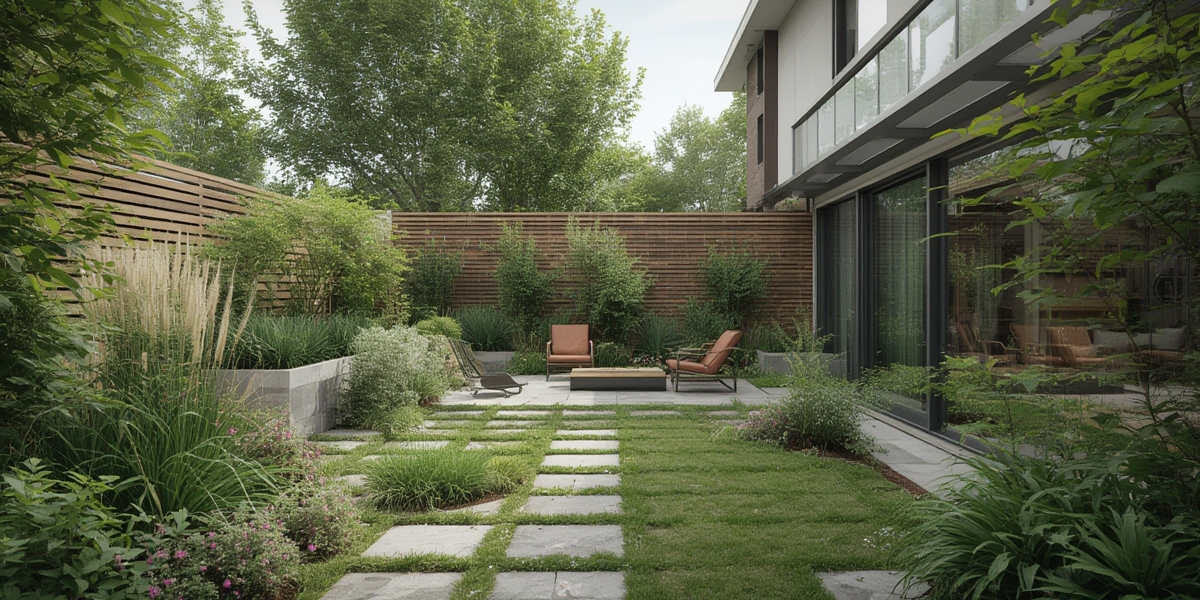
Modern backyard design often incorporates distinct zones that serve different purposes—seating, planting, and movement. Sketch a simple floor plan on graph paper or use a free online tool to map out:
- Seating area: A spot for a lounge chair, hammock, or small sofa.
- Planting beds: Low‑maintenance perennials, shrubs, and grasses.
- Pathways: Gravel or stepping stones that guide traffic without disrupting the flow.
By visualizing these zones, you’ll ensure each element has a purpose and contributes to the overall sense of calm.
Selecting Plants for a Calm Aesthetic
Data‑Driven Plant Choices
Research shows that plants with soft foliage and subtle fragrance have the strongest impact on relaxation. A 2022 study by the University of Horticulture found that lavender, sage, and Japanese forest grass reduced stress markers by 15% compared to more visually striking, but scent‑less, species.
Consider incorporating the following beginner‑friendly options:
- Lavender (Lavandula angustifolia): Drought‑tolerant, blooms in summer, and emits a soothing scent.
- Hostas: Shade‑loving perennials with a variety of leaf textures.
- Feather Reed Grass (Calamagrostis x acutiflora): Adds movement and a soft rustling sound.
- Japanese Maple (Acer palmatum): Provides a focal point with delicate foliage.
Layering for Year‑Round Interest
To keep your garden inviting throughout the seasons, layer plants by height and bloom time. Place taller grasses at the back, mid‑height shrubs in the middle, and low‑lying groundcovers near the seating area. This arrangement not only looks polished but also creates a natural privacy screen that enhances the feeling of seclusion.
Choosing Materials and Furniture
Eco‑Friendly Flooring
Data from the Green Building Council indicates that reclaimed wood decking and porous pavers improve soil health by allowing water to seep through, reducing runoff by up to 30%. These materials also add a warm, natural texture that complements the plant palette.
Comfortable Seating Options
When selecting furniture, prioritize comfort and durability. Outdoor cushions made from quick‑dry foam and covered in UV‑resistant fabric retain their shape and color for years. Adding a few plush throw pillows in muted earth tones can instantly make the space feel inviting.
Practical Tips for Easy Maintenance
Mulch for Moisture Retention
Applying a 2‑inch layer of organic mulch (such as shredded bark) reduces water evaporation and suppresses weeds. According to the Extension Service at Cornell University, mulched beds retain 25% more moisture, meaning you’ll water less often—a win for beginners.
Smart Irrigation
Install a drip‑irrigation system with a timer set to early morning. Drip lines deliver water directly to the root zone, cutting water use by up to 40% compared to sprinklers. Many affordable kits come with adjustable emitters, allowing you to tailor flow rates to each plant’s needs.
Seasonal Pruning Schedule
Regular pruning keeps plants healthy and maintains the clean lines of a modern design. As a rule of thumb:
- Late winter: Trim back dead wood on shrubs.
- Early spring: Shape perennials before new growth.
- Late summer: Remove spent blooms to encourage a second flush.
Common Mistakes and How to Avoid Them
Overcrowding Plantings
Beginners often plant too closely, hoping for a lush look. However, overcrowding leads to competition for water, nutrients, and sunlight, resulting in weak growth. Space plants according to the recommended mature width—usually listed on plant tags—to ensure each specimen thrives.
Ignoring Soil Health
Skipping a soil test can cause hidden problems like pH imbalance or nutrient deficiencies. A simple DIY kit can reveal whether you need to amend the soil with lime, sulfur, or compost. Adjusting soil conditions before planting sets a solid foundation for long‑term success.
Choosing the Wrong Plants for Light Conditions
Placing sun‑loving plants in deep shade is a frequent error. Use a light meter app or observe the yard at different times of day to determine sun exposure zones. Match plant selections to these zones—full sun, partial shade, or full shade—to avoid stunted growth and disappointment.
Bringing It All Together: Final Touches
Lighting for Evening Ambiance
Soft, low‑voltage LED lights along pathways and around seating areas extend the usability of your garden after dark. A 2021 lighting study showed that warm‑white LEDs (2700‑3000 K) create a calming atmosphere while using less than 10 watts per fixture.
Sound Elements
Incorporating a small water feature, such as a tabletop fountain, adds a gentle background hum that masks urban noise. Even a simple birdbath can attract songbirds, enhancing the sensory experience of your relaxing space.
Personal Accents
Finish the design with personal touches—hand‑painted garden stones, a favorite piece of outdoor art, or a collection of scented candles. These details make the space uniquely yours and encourage you to spend more time there.
Conclusion
Designing a Modern Backyard Garden Design for Relaxing Spaces doesn’t require a professional landscaper or a massive budget. By starting with a clear plan, selecting soothing plants, choosing sustainable materials, and staying mindful of common pitfalls, even a beginner gardener can create a peaceful retreat that offers both visual beauty and emotional calm. Remember to keep maintenance simple, enjoy the process, and let your backyard become the perfect place to unwind, recharge, and connect with nature.