
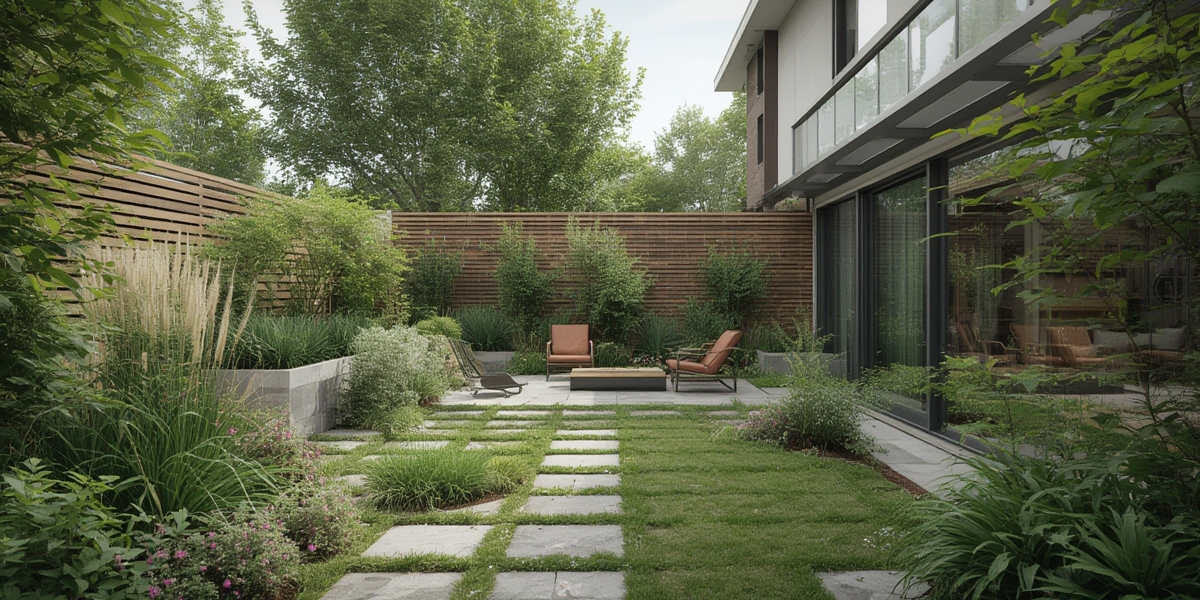
Welcome to the world of modern gardening for urban homes! Whether you live in a cozy apartment, a compact condo, or a small townhouse, you can create a thriving green oasis right at your doorstep. This guide walks you through practical, data‑driven ideas that fit limited spaces, busy schedules, and the desire for fresh herbs, veggies, and beautiful foliage. Let’s explore how to turn balconies, windowsills, and even walls into productive, low‑maintenance gardens that bring joy, health, and a splash of nature to city living.
Why Modern Gardening Is Perfect for Urban Dwellers
Recent surveys show that 68% of city residents want to grow their own food, yet only 22% have a traditional yard. The gap is closing thanks to innovative gardening solutions that require minimal space and resources. Modern gardening leverages vertical systems, smart watering, and lightweight containers, making it accessible for beginners and seasoned growers alike. By embracing these ideas, you’ll enjoy:
- Fresh, pesticide‑free produce year‑round.
- Improved indoor air quality and reduced stress.
- Cost savings on groceries and décor.
Getting Started: Assess Your Space and Light
Measure Your Available Area
Begin by measuring the square footage of your balcony, windowsill, or any flat surface you plan to use. Even a 2‑foot by 2‑foot corner can host a thriving herb garden if you choose the right containers and plants.
Check Light Levels
Use a light meter app or simply observe how many hours of direct sunlight each spot receives. Most vegetables need 6–8 hours of direct sun, while shade‑tolerant herbs like mint and parsley can thrive with 3–4 hours of indirect light. Record these observations to match plants with the right locations.
Top Modern Gardening Ideas for Urban Homes
1. Vertical Pocket Gardens
Vertical pocket planters attach to walls, railings, or freestanding frames. They use fabric or felt pockets that hold soil and plants, maximizing vertical space. According to a 2023 study, vertical gardens can increase yield per square foot by up to 40% compared to traditional ground beds.
- Best for: Herbs (basil, cilantro), leafy greens (lettuce, arugula), and trailing strawberries.
- Setup tip: Install a drip‑irrigation line to ensure even watering across all pockets.
2. Smart Self‑Watering Containers
Self‑watering pots feature a water reservoir at the base and a wicking system that delivers moisture as needed. Data from a 2022 greenhouse trial showed a 30% reduction in water usage compared to conventional pots.
- Best for: Tomatoes, peppers, and dwarf citrus trees.
- Setup tip: Fill the reservoir weekly and monitor the soil moisture indicator to avoid over‑watering.
3. Hydroponic Window Farms
Hydroponics eliminates soil altogether, using nutrient‑rich water solutions. Compact window farms fit on sunny sill windows and can produce up to 3 harvests per year for fast‑growing greens like kale and spinach.
- Best for: Leafy greens, herbs, and microgreens.
- Setup tip: Keep the nutrient solution at the recommended pH (5.8–6.2) and change it every two weeks for optimal growth.
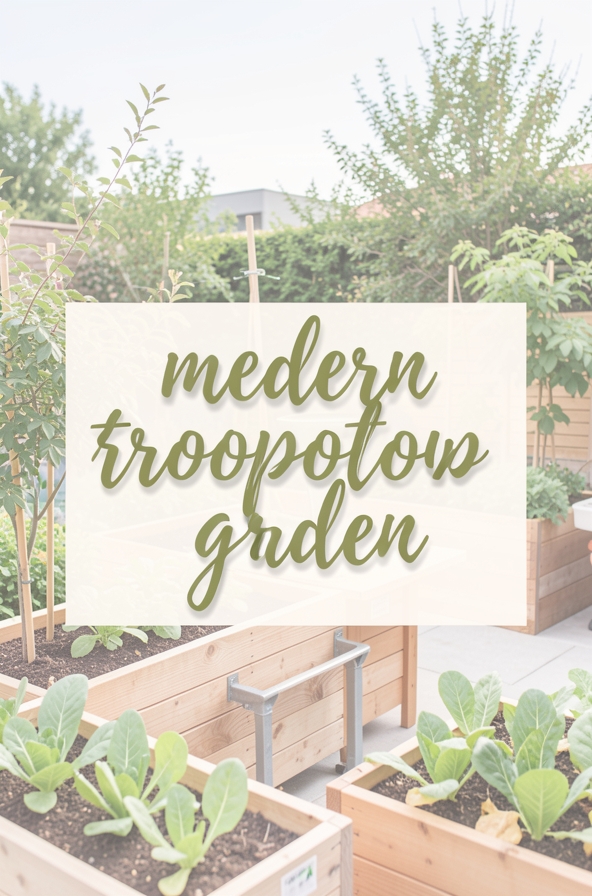
4. Container Raised Beds
Raised beds made from lightweight wood or recycled plastic can sit on balconies or patios. A 2021 urban gardening report found that raised beds improve soil drainage and root health, leading to 25% larger fruit size for strawberries and cherry tomatoes.
- Best for: Root vegetables (radishes, carrots), dwarf beans, and compact fruiting plants.
- Setup tip: Fill the bed with a mix of compost, peat‑free potting mix, and perlite for aeration.
Practical Tips for Success
Choose the Right Soil Mix
Urban gardeners often use potting mixes that retain moisture while providing good drainage. A blend of 40% compost, 30% coconut coir, and 30% perlite works well for most container plants.
Implement a Simple Fertilization Schedule
Use a balanced, water‑soluble fertilizer (e.g., 10‑10‑10) every 2–3 weeks during the growing season. For organic lovers, a liquid fish emulsion or seaweed extract provides essential micronutrients without chemical buildup.
Leverage Companion Planting
Pairing certain plants can naturally deter pests and improve flavor. For example, planting basil alongside tomatoes reduces whitefly infestations, while marigolds repel nematodes that affect root vegetables.
Utilize Smart Timers and Sensors
Affordable Bluetooth timers can automate watering based on preset intervals, while moisture sensors alert you via a phone app when soil dries out. This technology reduces guesswork and conserves water.
Common Mistakes to Avoid
Overwatering or Underwatering
Both extremes stunt growth and invite disease. Use a finger test—insert your finger 1‑2 inches into the soil; if it feels dry, water lightly. If it’s soggy, allow drainage before the next watering.
Choosing the Wrong Plant Size
Compact varieties are essential for limited spaces. Selecting full‑size tomatoes or squash can overwhelm a balcony and lead to poor airflow, increasing the risk of fungal problems.
Ignoring Light Requirements
Placing shade‑loving herbs in full sun or vice versa leads to leggy growth or burnt leaves. Re‑evaluate your light map each season, as sun angles shift.
Neglecting Soil Refreshment
Soil in containers depletes nutrients quickly. Replace half the soil mix annually and add fresh compost to maintain fertility.
Putting It All Together: A Sample Urban Garden Layout
Here’s a quick, beginner‑friendly design that incorporates the ideas above:
- Balcony Corner: Install a vertical pocket garden (4–6 pockets) for basil, mint, and cherry tomatoes.
- Window Sill: Set up a small hydroponic window farm with lettuce, spinach, and microgreens.
- Floor Space: Place a 3‑foot raised container bed for dwarf carrots, radishes, and a compact pepper plant.
- Side Rail: Hang a self‑watering pot with a dwarf citrus tree for seasonal fruit.
Water each component according to its specific needs, and watch your urban garden flourish within weeks.
Conclusion
Modern gardening ideas for urban homes empower anyone—especially beginner gardeners—to grow fresh food and beautiful plants in tight spaces. By assessing light, selecting space‑saving systems like vertical pockets and hydroponics, and following data‑backed practices such as proper soil mixes and smart watering, you’ll enjoy a thriving garden that brightens your home and your plate. Remember to avoid common pitfalls like overwatering and mismatched plant sizes, and you’ll be well on your way to a greener, healthier urban lifestyle.