Creating a garden that thrives year after year while protecting the planet is both rewarding and achievable. By focusing on dependable perennial flowers, you can enjoy lasting color, structure, and biodiversity with minimal re‑planting effort. Below is a data‑driven, step‑by‑step guide that blends sustainable practices with practical gardening know‑how, ensuring your garden stays vibrant and eco‑friendly.
Why Choose Perennial Flowers for Sustainable Gardening?
Perennials return each season, reducing the need for annual seed purchases, soil disturbance, and fertilizer applications. According to the USDA National Resources Conservation Service, gardens that incorporate perennials can cut water usage by up to 30% compared to annual beds because their deeper root systems improve soil structure and moisture retention.

Step 1: Selecting the Right Perennial Flowers
Consider Climate and Soil Type
Use the USDA Plant Hardiness Zone map to match plants to your region. For example, Echinacea purpurea (Purple Coneflower) thrives in zones 3‑9, while Lavandula angustifolia (English Lavender) prefers zones 5‑9 and well‑drained, alkaline soils.
Prioritize Native Species
Native perennials like Black-eyed Susan (Rudbeckia hirta) and Bee Balm (Monarda didyma) support local pollinators. A 2022 study from the Journal of Applied Ecology showed a 45% increase in native bee populations when gardens replaced 20% of non‑native annuals with native perennials.
Plan for Bloom Sequence
Choose a mix that provides continuous bloom from spring to fall. A simple palette could be:
- Early spring: Creeping Phlox (Phlox subulata)
- Mid‑summer: Daylilies (Hemerocallis spp.)
- Late fall: Asters (Symphyotrichum spp.)
Step 2: Preparing Sustainable Soil
Test and Amend Soil
Start with a DIY soil test kit or send a sample to a local extension service. Aim for a pH between 6.0‑7.0 for most perennials. If the pH is low, incorporate lime in small increments; if high, add elemental sulfur.
Build Organic Matter
Incorporate 2‑3 inches of well‑composted organic matter into the top 12 inches of soil. Compost improves water holding capacity by up to 20% (University of Illinois Extension). Use a garden fork or a rototiller, but limit tillage to preserve soil microbes.
Implement Mycorrhizal Fungi
Mix a handful of mycorrhizal inoculant into planting holes. These beneficial fungi form symbiotic relationships with roots, enhancing nutrient uptake and drought tolerance.
Step 3: Planting Perennial Flowers
Timing
Plant in early fall (September‑October) or early spring (March‑April) when soil temperatures are between 50‑65°F (10‑18°C). This timing reduces transplant shock and encourages root establishment before extreme weather.
Spacing and Layout
Follow label recommendations, typically 12‑18 inches apart for medium‑sized perennials. Use the “grouping by water needs” method: place drought‑tolerant species together and moisture‑loving plants in a separate zone to optimize irrigation.
Planting Technique
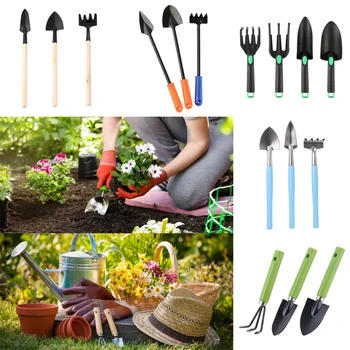
- Dig a hole twice as wide and as deep as the root ball.
- Place the plant at the same depth it was in the nursery container; backfill with a mix of native soil and compost.
- Water thoroughly to settle soil and eliminate air pockets.
Step 4: Water Management for Longevity
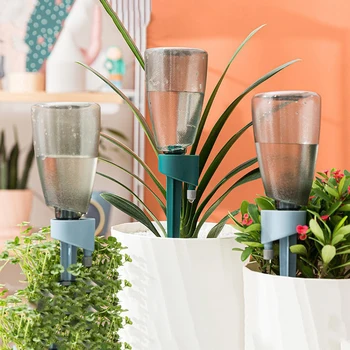
Drip Irrigation
Install a drip line with emitters delivering 0.5‑1 gallon per hour. Drip systems reduce water waste by up to 50% compared to overhead sprinklers (EPA WaterSense). Set timers to water early morning, 2‑3 times per week, adjusting for rainfall.
Rainwater Harvesting
Connect a rain barrel to downspouts near planting zones. Use a simple first‑flush diverter to keep debris out. One barrel (≈ 55 gallons) can sustain a 200‑square‑foot perennial bed for up to two weeks during moderate summer conditions.
Step 5: Mulching and Composting
Organic Mulch
Apply a 2‑3 inch layer of shredded bark, straw, or leaf mold around each plant. Mulch conserves moisture, suppresses weeds, and adds organic matter as it breaks down. A study from the University of California Agriculture and Natural Resources found mulched beds retained 25% more soil moisture.
Compost Tea
Every 4‑6 weeks, brew a compost tea (1 cup compost + 5 gallons water, steep 24 hrs) and apply as a foliar spray. This provides a quick boost of beneficial microbes, enhancing plant health and disease resistance.
Step 6: Integrated Pest Management (IPM)
Monitor and Identify
Walk the garden weekly, looking for signs of aphids, slugs, or fungal spots. Use a magnifying glass and reference a local extension pest guide.
Beneficial Insects
Introduce lady beetles, lacewings, and parasitic wasps by planting companion herbs like dill, fennel, and yarrow . These allies can reduce pest populations by up to 70% without chemicals.
Organic Controls
If thresholds are exceeded, apply neem oil (2 ml/L) or a horticultural oil spray, targeting the undersides of leaves. Always test on a small area first to avoid phytotoxicity.
Step 7: Seasonal Care and Maintenance
Spring Refresh
Divide overcrowded perennials every 3‑4 years to maintain vigor. Dig up clumps, split with a sharp spade, and replant at the recommended spacing.
Summer Pruning
Deadhead spent blooms to encourage repeat flowering and prevent self‑seeding. Remove any diseased foliage promptly.
Fall Preparation
Apply a 1‑inch layer of compost after the first frost to feed roots over winter. In colder zones, add a light mulch of straw to protect crowns from freeze‑thaw cycles.
Step 8: Harvesting and Enjoying Your Garden
Cut Flowers
Harvest stems early in the morning when nectar levels are highest. Place stems in a bucket of cool water and trim ends at an angle to prolong vase life.
Wildlife Benefits
Leave a few seed heads standing after blooming to provide food for birds and beneficial insects during winter months.
Final Thoughts: Sustainable Gardening Made Simple
By selecting resilient perennial flowers, enriching soil with organic matter, and employing water‑wise practices, you create a garden that not only dazzles with color but also conserves resources and supports biodiversity. Follow these actionable steps, track your progress with a simple garden journal, and watch your sustainable oasis flourish year after year.