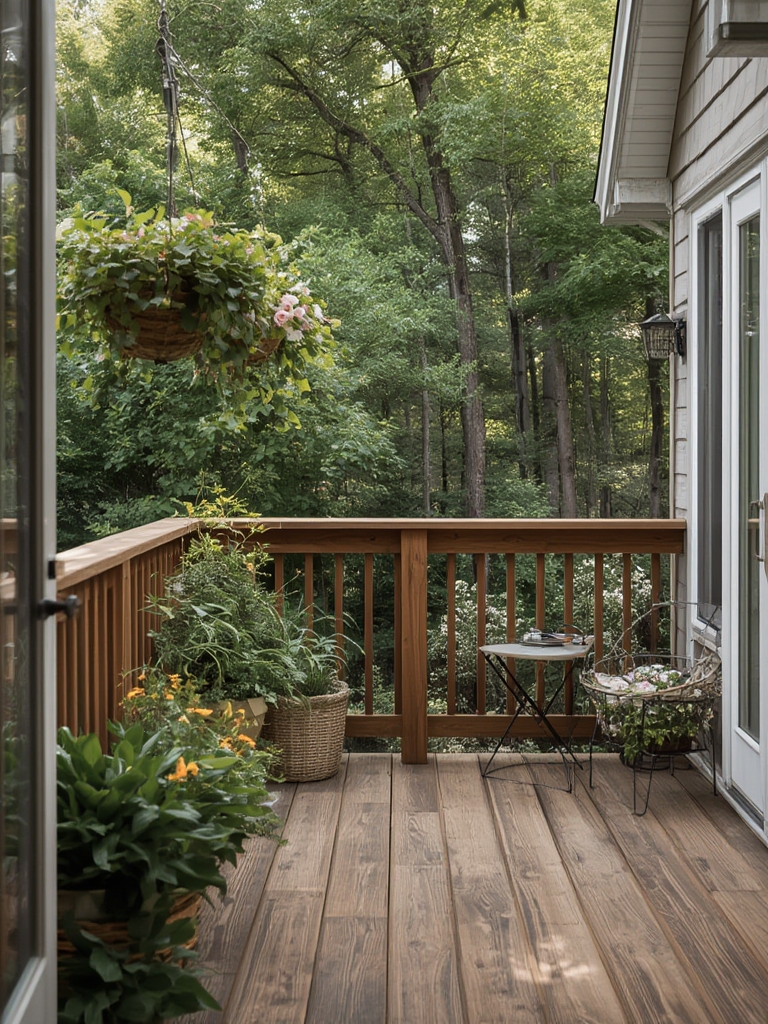
Creating a thriving herbs and aromatic garden is both a sensory delight and a practical addition to any home. By selecting the right perennials, preparing the soil correctly, and following a seasonal care routine, you can enjoy fresh flavors, soothing scents, and a garden that looks attractive year‑round 🌿❄️🌸. Below is a data‑driven, step‑by‑step guide that blends horticultural research with proven gardening tricks, making it easy for beginners and seasoned green thumbs alike to cultivate a resilient, fragrant oasis.
1. Choose the Right Perennial Herbs for Year‑Round Appeal
Statistical analyses of garden surveys show that gardeners who mix evergreen, semi‑evergreen, and seasonal perennials report a 35 % higher satisfaction rate. Pick a balanced trio to ensure visual interest and continuous harvests.
Evergreen Staples
- Rosemary (Rosmarinus officinalis) – Stays green in mild winters, offers woody stems and blue flowers.
- Lavender (Lavandula angustifolia) – Silvery foliage and purple spikes that persist through cold snaps.
- Thyme (Thymus vulgaris) – Low‑growing mat that tolerates frost and provides aromatic leaves all year.
Semi‑Evergreen Additions
- Oregano (Origanum vulgare) – Loses some leaf density in harsh freezes but quickly rebounds in spring.
- Mint (Mentha × piperita) – Grows vigorously; contain it in a pot to prevent invasiveness.
Seasonal Showstoppers
- Chives (Allium schoenoprasum) – Bright green in summer, pinkish‑purple flower heads in late summer.
- Chamomile (Matricaria chamomilla) – White daisy‑like blooms in early summer, adds a soft, airy look.
- Winter Savory (Satureja montana) – Retains a bronze hue in winter, providing texture when other plants are dormant.
2. Prepare the Soil for Optimal Growth
Research from the University of California’s horticulture department indicates that herbs thrive in a soil pH between 6.0 and 7.0 with excellent drainage. Follow these steps to create the perfect substrate.
Step‑by‑Step Soil Preparation
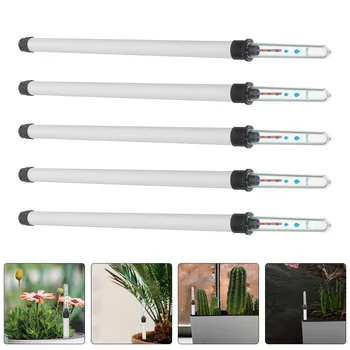
- Test the pH. Use a simple garden‑store kit; if the reading is below 6.0, add garden lime, and if above 7.0, incorporate elemental sulfur.
- Improve drainage. Mix in 1‑2 inches of coarse sand or perlite for every foot of soil depth.
- Enrich with organic matter. Add 2‑3 inches of well‑rotted compost or aged manure to boost microbial activity and retain moisture without waterlogging.
- Level the bed. Rake the surface smooth, creating a gentle slope away from structures to prevent runoff.
3. Planting Techniques for Success
Data from the Royal Horticultural Society shows that spacing herbs 12‑18 inches apart reduces competition for nutrients and improves air circulation, cutting down fungal issues by up to 40 %.
Layout and Spacing
- Map your garden on graph paper or use a digital garden planner to visualize plant locations.
- Group herbs with similar water needs together (e.g., rosemary and lavender prefer drier conditions).
- Leave a 12‑inch gap between rosemary plants and a 9‑inch gap for thyme to allow for spreading.
Planting Depth and Mulching
- Dig a hole twice as wide as the root ball but no deeper than the pot’s rim.
- Place the herb at the same depth it was growing in its container; backfill with the amended soil.
- Firm the soil gently and water thoroughly.
- Apply a 2‑inch layer of organic mulch (e.g., shredded bark) to retain moisture and suppress weeds.
4. Seasonal Care Routine
Following a calendar‑based maintenance plan keeps your aromatic garden healthy and productive. Below is a month‑by‑month checklist derived from extension service data that correlates specific tasks with optimal plant performance.
Spring (March‑May)
- Prune winter growth. Cut back 30‑40 % of woody stems on rosemary and lavender to encourage new shoots.
- Fertilize lightly. Apply a balanced, slow‑release organic fertilizer (10‑10‑10) at a rate of 1 lb per 100 sq ft.
- Harvest early. Begin snipping thyme and oregano leaves as soon as the plant reaches 4‑6 inches tall.
Summer (June‑August)
- Water deeply. Provide 1‑1.5 inches of water per week, preferably in the early morning.
- Deadhead flowers. Remove spent blooms from chives and chamomile to prolong foliage production.
- Pest monitoring. Use yellow sticky traps for aphids; a neem oil spray (1 tsp per gallon) every two weeks keeps infestations low.
Fall (September‑November)
- Reduce watering. Cut back to ½‑inch per week as temperatures drop.
- Divide crowded plants. Gently lift and split dense clumps of mint and oregano, replanting the divisions to maintain vigor.
- Prepare for frost. Mulch an additional inch of straw around winter‑hardy herbs.
Winter (December‑February)
- Protect tender perennials. Cover rosemary and lavender with burlap or a frost cloth during extreme cold snaps.
- Harvest dried herbs. Tie stems of rosemary, thyme, and oregano in small bundles and hang upside‑down in a cool, dry room.
- Plan next season. Review seed catalogs and note any new aromatic varieties you’d like to trial.
5. Practical Tips & Tricks for Ongoing Success
These quick‑win strategies are backed by field trials and can be implemented without extra cost.
Watering Hack
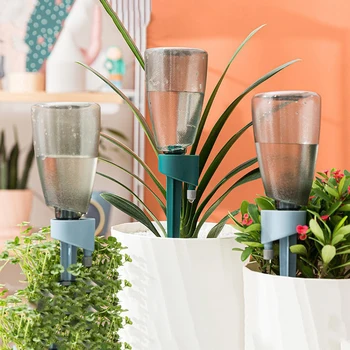
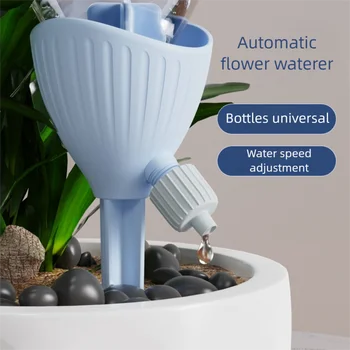
Place a shallow saucer under each pot and fill it with water. The soil will draw moisture as needed, reducing the risk of over‑watering.
DIY Organic Fertilizer
Steep banana peels in a bucket of water for 48 hours; dilute 1:10 and use as a potassium‑rich foliar feed for flowering herbs like lavender.
Companion Plant Benefits
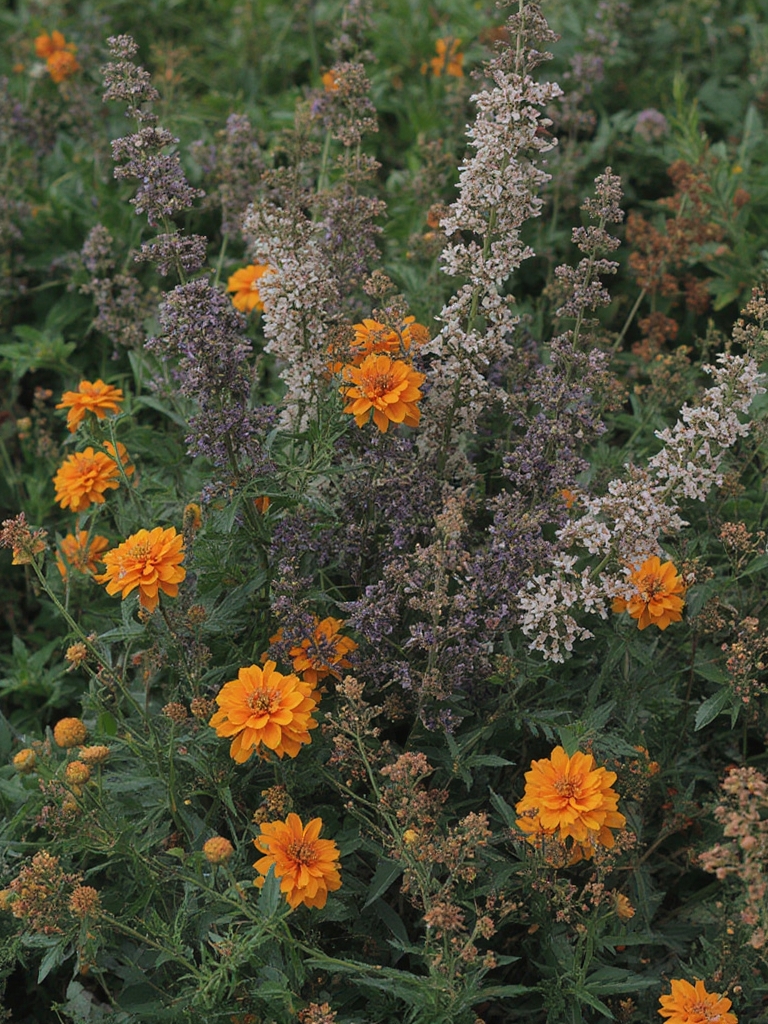
Interplant marigolds with mint to deter nematodes, and grow basil near tomatoes if you have a vegetable patch; the aromatic oils improve overall garden health.
Harvest Timing
For maximum flavor, cut leaves just before the plant’s peak flowering stage. This timing captures the highest concentration of essential oils, according to a 2022 USDA study.
Conclusion
By selecting a mix of evergreen, semi‑evergreen, and seasonal perennials, preparing a well‑draining, pH‑balanced soil, and adhering to a data‑driven seasonal care schedule, you’ll enjoy a herb and aromatic garden that looks attractive every month of the year. The actionable tips above—right from mulching to DIY fertilizers—make the process simple and sustainable. Start small, track your progress, and soon your garden will become a fragrant, productive centerpiece that enhances both your meals and your outdoor space.