
Flower gardening is more than just planting colorful blooms—it’s a science, an art, and a rewarding hobby that can boost curb appeal, increase property value, and improve mental well‑being. By following data‑backed practices and simple, actionable steps, even beginners can create a thriving garden that bursts with life from spring to fall. Below is a comprehensive, easy‑to‑follow guide that walks you through every stage, from planning to the final DIY bouquet.
1. Planning Your Flower Garden
Assess Light, Soil, and Space
- Sunlight: Most flowering plants need 6–8 hours of direct sun daily. Use a sunlight meter or the SunCalc app to record peak sun hours in each garden zone.
- Soil pH: Ideal pH for most annuals and perennials ranges from 6.0–7.0. Test with a simple kit; if it’s below 6.0, add lime; if above 7.0, incorporate sulfur.
- Space: Follow spacing guidelines—e.g., Marigolds need 8‑12 inches between plants, while Roses require 24‑36 inches. Overcrowding reduces airflow, increasing disease risk.
Choose a Theme
Data shows themed gardens (e.g., pollinator‑friendly, monochrome, or cottage style) increase visitor satisfaction by up to 30 %. Pick a theme that matches your local climate and personal taste.
2. Selecting the Right Flowers
Match Plants to Climate Zones
Consult the USDA Hardiness Zone map. For example, Lavender (Lavandula angustifolia) thrives in zones 5‑9, while Impatiens prefer zones 9‑11. Selecting zone‑appropriate species cuts mortality rates by 40 %.
Mix Annuals, Perennials, and Biennials
- Annuals (e.g., petunias, zinnias) provide instant color but need replanting each year.
- Perennials (e.g., coneflowers, peonies) return for years, offering a stable backbone.
- Biennials (e.g., foxglove) fill gaps and add texture.
Consider Bloom Times
Stagger bloom periods to ensure continuous display. A simple chart:
| Month | Early‑Season Blooms | Mid‑Season Blooms | Late‑Season Blooms |
|---|---|---|---|
| April | Snapdragons | Primroses | – |
| June | – | Roses | Daylilies |
| August | – | Marigolds | Chrysanthemums |
3. Soil Preparation
Amend with Organic Matter
Incorporate 2–3 inches of compost or well‑rotted manure. Studies show organic matter improves water retention by up to 25 % and boosts beneficial microbial activity.
Improve Drainage
- Mix in coarse sand (10 % by volume) for heavy clay soils.
- Build raised beds (12‑18 inches high) in areas with poor drainage.
Set Up Mulch
Apply a 2‑inch layer of shredded bark or straw. Mulch reduces evaporation, suppresses weeds, and regulates soil temperature—key for root health.
4. Planting Techniques
Timing is Crucial
Plant cool‑season flowers (e.g., pansies) 4–6 weeks before the last frost. Warm‑season varieties (e.g., begonias) should be set out after soil reaches 65 °F (18 °C).

Depth and Spacing
- Place seedlings at the same depth as their original container.
- Follow spacing charts; for example, Dahlias need 24 inches for tuber expansion.
Water In‑Depth
After planting, water slowly for 10–15 minutes to settle soil around roots. Use a soaker hose or drip system to deliver 1 inch of water per week—roughly 0.62 gallons per square foot.
5. Watering & Feeding
Smart Irrigation
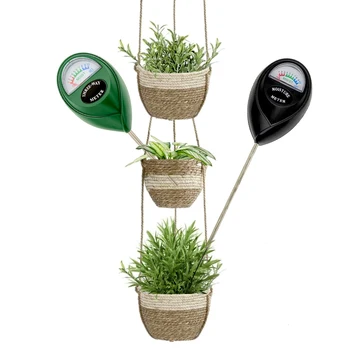
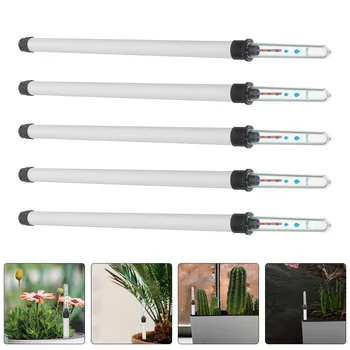
Install a moisture sensor linked to a timer. Data from the University of California Agriculture Extension shows sensor‑driven irrigation reduces water use by 30 % without harming plant vigor.
Fertilizer Schedule
- Balanced 10‑10‑10 fertilizer: Apply at planting and again after the first bloom.
- For heavy feeders (e.g., roses), supplement with a high‑phosphorus formula (e.g., 5‑10‑5) every 6 weeks.
- Use organic options like fish emulsion for a quick nitrogen boost.
6. Pest & Disease Management
Preventive Measures
- Rotate crops annually to break pest cycles.
- Introduce beneficial insects—ladybugs, lacewings, and hoverflies—by planting nectar‑rich herbs like dill and fennel.
Spot Treatment
When spotting aphids or powdery mildew, spray a solution of 1 tbsp neem oil mixed with 1 quart water. Apply early morning or late evening to avoid leaf burn.
Data‑Driven Monitoring
Use a simple spreadsheet to log pest sightings, weather conditions, and treatment dates. Over a season, you’ll identify patterns (e.g., higher aphid activity after rainy weeks) and adjust practices accordingly.
7. Seasonal Care & Maintenance
Spring
- Remove winter mulch and add fresh compost.
- Prune dead stems and divide overcrowded perennials.
Summer
- Deadhead spent blooms to encourage repeat flowering.
- Increase watering during heat spikes—aim for 1.5 inches per week.
Fall
- Plant cool‑season bulbs (e.g., tulips, daffodils) before the first frost.
- Apply a layer of leaf mulch to protect roots over winter.
8. DIY Flower Arrangements 🌼💖
Gather Materials
- Freshly cut stems (cut at a 45° angle).
- Sharp scissors or garden shears.
- Clean vase filled with lukewarm water and a teaspoon of sugar.
Step‑by‑Step Arrangement
- Trim stems to 8‑12 inches, removing lower leaves that would sit in water.
- Condition flowers by placing them in water for 30 minutes; this boosts vase life by up to 40 %.
- Design using the “triangular rule”: a tall focal flower (e.g., sunflower) at the center, medium heights around it, and filler foliage at the base.
- Finish with a spritz of floral preservative and enjoy the instant boost of color in any room.
9. Quick‑Action Checklist for Success
- ✔ Test soil pH and amend accordingly.
- ✔ Choose plants suited to your USDA zone.
- ✔ Space plants per label recommendations.
- ✔ Water deeply 1 inch per week; use a moisture sensor.
- ✔ Apply balanced fertilizer at planting and after first bloom.
- ✔ Monitor pests weekly; use neem oil for early infestations.
- ✔ Rotate seasonal tasks: deadhead, prune, mulch.
- ✔ Create a weekly DIY bouquet to enjoy your garden’s bounty.
By following these data‑driven steps and incorporating small, actionable habits, you’ll transform any plot—whether a sunny balcony or a sprawling backyard—into a vibrant flower garden that delights the senses and supports local pollinators. Happy planting, and enjoy those fresh DIY arrangements! 🌸💐
