
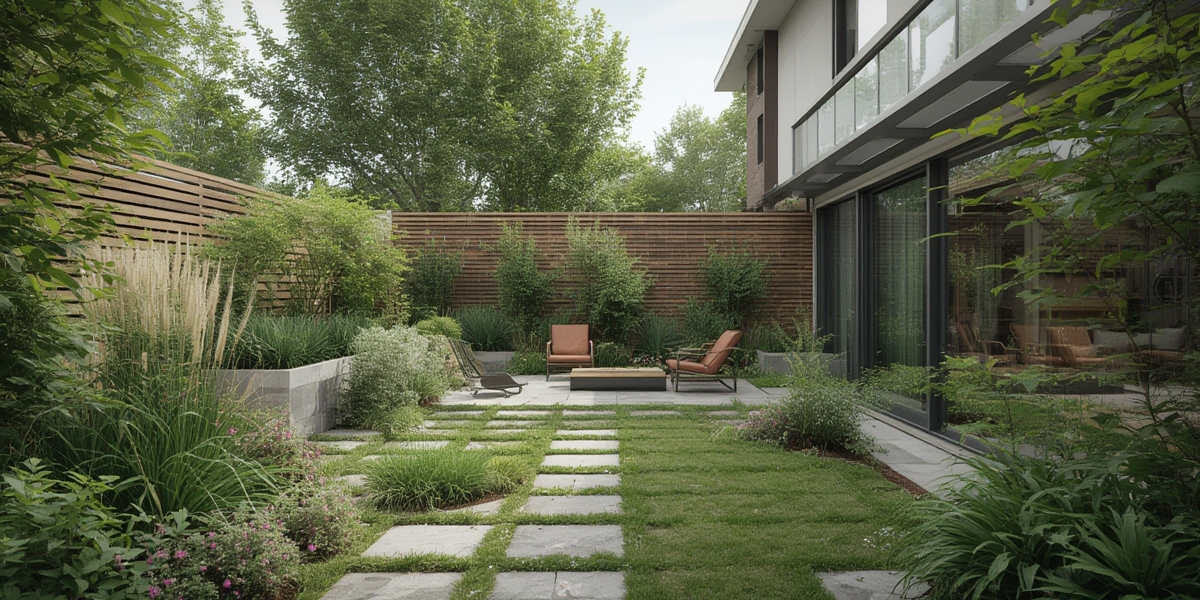
Welcome to the world of modern garden plants! If you’re a beginner gardener looking to give your yard an instant makeover, you’re in the right place. By choosing the right varieties, you can create a vibrant, low‑maintenance space that feels fresh and contemporary. Below, we’ll explore a selection of modern garden plants that instantly upgrade your yard, share practical planting tips, and point out common mistakes to avoid.
Why Choose Modern Garden Plants?
Modern garden plants are designed with both aesthetics and practicality in mind. They often feature bold foliage, striking colors, and compact growth habits that fit well into small or urban yards. Many are drought‑tolerant, disease‑resistant, and low‑maintenance, making them perfect for beginners who want beautiful results without endless upkeep.
Top Modern Garden Plants for Instant Impact
1. Agapanthus – African Lily
With tall, graceful spikes of deep blue or white flowers, Agapanthus adds a touch of elegance to any garden. It thrives in full sun to partial shade and tolerates a range of soil types.
- Planting tip: Space bulbs 12–18 inches apart and plant them 6 inches deep.
- Care tip: Water regularly during the first season, then reduce watering once established.
2. Lavandula angustifolia – English Lavender
Lavender’s silvery foliage and fragrant purple spikes are a staple of modern garden design. It attracts pollinators, repels pests, and thrives in well‑drained soil.
- Planting tip: Choose a sunny spot with excellent drainage; amend heavy soil with sand or gravel.
- Care tip: Prune back after flowering to keep the plant compact.
3. Heuchera – Coral Bells
Heuchera offers an array of leaf colors—from deep burgundy to chartreuse—making it a perfect foliage accent. It works well in borders, containers, or as a groundcover.
- Planting tip: Plant in partial shade for the most vibrant leaf color.
- Care tip: Keep soil consistently moist but not soggy.
4. Salvia nemorosa – Woodland Sage
This hardy perennial produces spikes of violet, pink, or white flowers that bloom from early summer to fall. It’s a magnet for bees and butterflies.
- Planting tip: Space plants 12–18 inches apart for good airflow.
- Care tip: Deadhead spent blooms to encourage a second flush of flowers.
5. Festuca glauca – Blue Fescue
Blue Fescue’s fine, silvery‑blue foliage creates a striking contrast against darker greens. It’s perfect for modern, minimalist garden designs.
- Planting tip: Plant in full sun and well‑drained soil.
- Care tip: Trim back old foliage in early spring to make room for new growth.
Practical Tips for Planting Modern Garden Plants
Assess Your Site Conditions
Before you start, take note of sunlight exposure, soil type, and drainage. Most modern garden plants prefer full sun (at least 6 hours of direct light) and well‑drained soil. If your yard has heavy clay, consider raised beds or amending the soil with organic matter.
Start with Quality Soil
Healthy soil is the foundation of a thriving garden. Mix in compost or well‑rotted manure to improve texture and nutrient content. A simple soil test can guide you on pH adjustments—most modern garden plants prefer a slightly acidic to neutral pH (6.0–7.0).
Water Wisely
Newly planted specimens need consistent moisture to establish roots. Water deeply once a week rather than shallow daily sprinklings. Once plants are established, many modern varieties become drought‑tolerant, allowing you to reduce watering frequency.
Mulch for Moisture Retention
Apply a 2–3 inch layer of organic mulch (like shredded bark or straw) around the base of each plant. Mulch conserves moisture, suppresses weeds, and gradually adds nutrients as it breaks down.
Plan for Seasonal Interest
Combine plants that bloom at different times or have varying foliage colors throughout the year. This ensures your yard looks vibrant from spring through fall. For example, pair early‑blooming Salvia with late‑season Heuchera for continuous color.
Common Mistakes to Avoid
Overwatering
Too much water can lead to root rot, especially for plants like Lavender that dislike soggy conditions. Stick to the “deep and infrequent” watering rule once plants are established.
Ignoring Light Requirements
Placing shade‑loving plants in full sun can cause leaf scorch, while sun‑loving plants in deep shade may become leggy and produce few blooms. Use a sunlight chart or a simple observation of sun patterns to match plants to the right spot.
Planting Too Close Together
Modern garden plants often need good airflow to prevent fungal diseases. Give each plant enough space according to the recommended spacing on the plant label.
Skipping Soil Preparation
Planting directly into compacted or nutrient‑poor soil can stunt growth. Take the time to loosen the soil, add organic matter, and level the planting area.
Neglecting Pruning
Many modern garden plants benefit from regular pruning to maintain shape and encourage new growth. For example, deadheading Salvia and trimming back Lavender after flowering keep the garden tidy and productive.
Design Ideas to Showcase Modern Garden Plants
Modern Minimalist Borders
Use Blue Fescue and Heuchera in a repeating pattern to create clean lines and subtle color shifts. Keep the border low to maintain a sleek, contemporary look.
Container Gardens
Combine compact varieties like Lavender and Agapanthus in large ceramic pots. Containers allow you to move plants to catch the best light and add visual interest to patios or decks.
Pollinator Pathways
Plant a mix of Salvia, Lavender, and Agapanthus along walkways to attract bees, butterflies, and hummingbirds. The movement of pollinators adds life and a sense of dynamism to your yard.
Conclusion
Choosing the right modern garden plants can transform a modest yard into a vibrant, low‑maintenance oasis. By focusing on varieties like Agapanthus, Lavender, Heuchera, Salvia, and Blue Fescue, you’ll enjoy instant visual upgrades while keeping care simple. Remember to assess your site, prepare the soil, water wisely, and avoid common pitfalls such as overwatering and overcrowding. With these practical tips and a little patience, even beginner gardeners can create a modern garden that feels fresh, inviting, and uniquely theirs.