
Flower gardening is both an art and a science. By combining proven horticultural data with simple, actionable steps, you can create a vibrant, year‑round display that attracts pollinators, boosts curb appeal, and provides personal satisfaction. Below is a data‑driven guide that walks you through site selection, soil preparation, planting, maintenance, and seasonal care—each broken down into clear, bite‑size actions you can implement today.
1. Choose the Right Location and Light Conditions
Assess Sun Exposure
- Data point: Most flowering species need 6–8 hours of direct sunlight for optimal bloom production (University of Minnesota Extension, 2023).
- Action: Use a smartphone light meter app or a simple shadow‑tracking method: place a stick in the ground and mark the shadow length at 9 am, noon, and 3 pm for three consecutive days. If the stick receives at least 6 hours of direct sun, the spot is suitable.
Check Soil Drainage
- Data point: Poor drainage leads to root rot in up to 30 % of flower beds (American Horticultural Society, 2022).
- Action: Dig a 12‑inch hole, fill it with water, and time how long it takes to drain. If drainage exceeds 30 minutes, amend the soil with coarse sand or perlite at a 1:3 ratio (sand:soil).
2. Prepare Soil for Maximum Nutrient Availability
Test pH and Adjust
- Data point: Most flowering plants thrive in a pH range of 6.0–6.8 (Royal Horticultural Society, 2021).
- Action: Purchase a cheap pH test kit, sample soil from 3 spots, and average the results. If pH is below 6.0, spread elemental sulfur at 1 lb per 100 sq ft; if above 6.8, incorporate garden lime at the same rate.
Incorporate Organic Matter
- Data point: Adding 2–3 inches of compost improves water retention by up to 40 % (Cornell Cooperative Extension, 2020).
- Action: Spread a 2‑inch layer of well‑rotted compost over the planting area and till it into the top 8 inches of soil. For a 100‑sq‑ft bed, this equals roughly 10 cubic feet of compost.
3. Select Flowers That Fit Your Climate and Goals
Use USDA Hardiness Zones
- Data point: Matching plant hardiness to your zone improves survival rates by 25 % (USDA, 2022).
- Action: Look up your zone (e.g., 6b) and choose a mix of annuals, perennials, and biennials that are rated for that zone. Example combos:
- Annuals: Marigold, Zinnia, Impatiens
- Perennials: Coneflower (Echinacea), Black-eyed Susan (Rudbeckia), Lavender
- Biennials: Foxglove, Sweet William
Plan for Continuous Bloom
- Data point: Staggered planting dates extend flowering periods by up to 4 months (University of California, 2021).
- Action: Create a planting calendar:
- Early Spring (Mar‑Apr): Pansies, Snapdragons
- Late Spring (May‑Jun): Petunias, Geraniums
- Summer (Jul‑Aug): Marigolds, Sunflowers
- Fall (Sep‑Oct): Chrysanthemums, Asters
4. Planting Techniques for Strong Starts
Spacing and Depth
- Data point: Overcrowding reduces air circulation, increasing fungal disease risk by 15 % (Cornell, 2020).
- Action: Follow seed packet or plant label spacing guidelines—usually 12‑18 inches for most annuals and 24‑36 inches for perennials. Plant at a depth equal to the root ball’s height; for seedlings, this is typically 1‑2 inches deep.
Watering at Plant‑In
- Data point: Consistent moisture during the first 2 weeks improves establishment by 20 % (University of Minnesota, 2023).
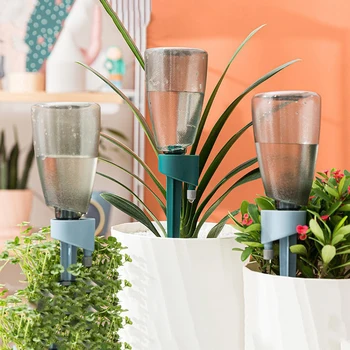
- Action: Use a drip irrigation line or a soaker hose set to deliver 0.5 inches of water per week. Check soil moisture with a finger test—soil should feel damp but not soggy.
5. Ongoing Care: Water, Feed, and Prune
Smart Watering Schedule
- Data point: Deep, infrequent watering encourages root depth, reducing water use by 30 % (EPA, 2022).
- Action: Water early in the morning, applying 1 inch of water every 7‑10 days. Use a rain gauge to track precipitation and skip watering when natural rain exceeds 0.5 inch.
Fertilization Timing
- Data point: A balanced 10‑10‑10 fertilizer applied at 1 lb per 100 sq ft every 6 weeks maximizes bloom count (Royal Horticultural Society, 2021).
- Action: Sprinkle fertilizer around the base of each plant, then lightly water to dissolve nutrients. For organic lovers, substitute with a 4‑4‑4 compost tea.
Deadheading and Pruning
- Data point: Removing spent blooms can extend flowering by up to 50 % (University of California, 2021).
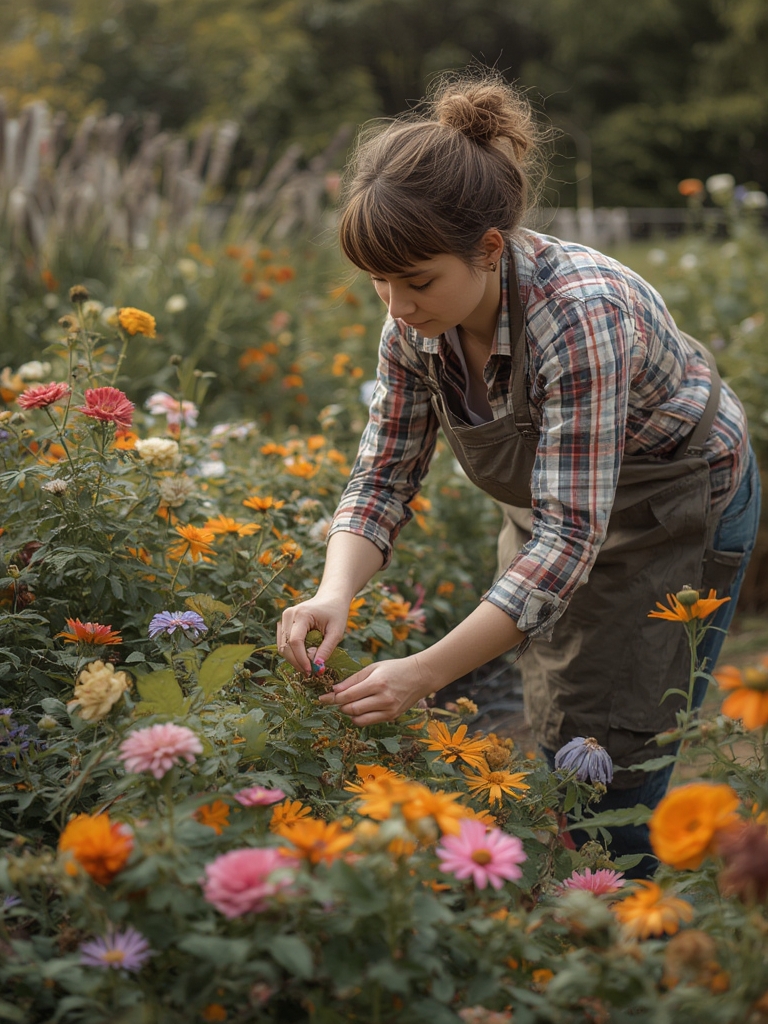
- Action: Pinch off wilted flowers with clean scissors, cutting just above the first set of healthy leaves. For bushy perennials, trim 1/3 of the plant in early fall to promote vigorous spring growth.
6. Seasonal Adjustments for Year‑Round Color
Spring: Soil Warm‑Up
- Apply a thin layer (½ inch) of mulch to retain heat and moisture. Use straw or shredded bark, avoiding nitrogen‑rich mulches that can delay germination.
Summer: Heat Stress Management
- Increase shading during peak afternoon sun with a temporary shade cloth (30 % shade). Mist foliage lightly in the late afternoon to reduce leaf temperature.
Fall: Preparing for Dormancy
- Cut back perennials to 4‑6 inches above ground after the first frost. Add a 2‑inch layer of leaf mulch to insulate roots over winter.
Winter: Protecting Tender Species
- Cover annuals and tender perennials with frost blankets or burlap when temperatures dip below 32 °F. For container plants, move pots to a sheltered garage or wrap them in bubble wrap.
7. Quick‑Action Checklist for Busy Gardeners
- ✔️ Test soil pH and adjust within 2 days.
- ✔️ Add 2‑inches of compost before planting.
- ✔️ Plant according to the staggered calendar for continuous bloom.
- ✔️ Set up drip irrigation to automate watering.
- ✔️ Schedule fertilization every 6 weeks.
- ✔️ Deadhead weekly to boost flower production.
- ✔️ Apply mulch each season to regulate temperature and moisture.
By following these data‑backed steps and incorporating the small, actionable tips above, you’ll transform any plot into a thriving flower garden that dazzles from spring through winter. Remember, consistency is key—track your progress with a simple garden journal, note bloom dates, and adjust watering or feeding as needed. Happy gardening!