
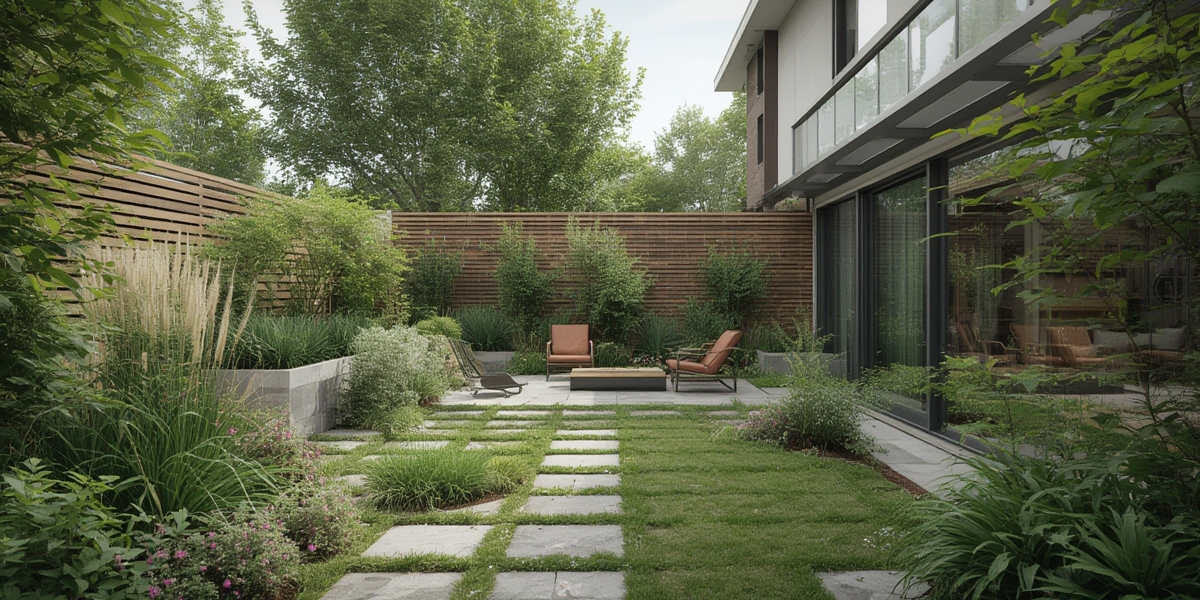
Welcome to the world of minimalist garden design! If you’re a beginner looking to create a sleek, low‑maintenance oasis that complements a modern home, you’ve come to the right place. Minimalist garden ideas for modern homes focus on clean lines, simple plant palettes, and thoughtful use of space. In this guide, we’ll walk you through step‑by‑step planning, practical tips, and common pitfalls to avoid, so you can enjoy a beautiful garden that feels both contemporary and effortless.
Why Choose a Minimalist Garden?
Minimalist gardens are perfect for modern homes because they:
- Emphasize simplicity, making the garden feel larger and more organized.
- Require less upkeep, which is ideal for busy beginners.
- Blend seamlessly with modern architecture, using clean geometry and neutral tones.
Getting Started: Planning Your Space
1. Assess Your Site
Before you plant anything, take a moment to evaluate the garden’s conditions:
- Sunlight: Note which areas receive full sun, partial shade, or full shade.
- Soil type: Test the soil’s texture and drainage. Minimalist gardens thrive in well‑draining soil.
- View and focal points: Identify where you want the eye to be drawn—perhaps a striking sculpture or a sleek water feature.
2. Define Your Layout
Use graph paper or a simple digital tool to sketch a layout. Keep the design clean by:
- Choosing a rectangular or square grid.
- Limiting the number of distinct zones (e.g., a seating area, a planting strip, and a pathway).
- Incorporating straight lines or subtle curves that echo modern architectural elements.
3. Choose a Cohesive Color Palette
Minimalist garden ideas for modern homes often rely on a restrained color scheme. Consider:
- Neutral foliage (e.g., silver sage, blue‑gray grasses).
- Monochromatic blooms (white, soft pink, or muted lavender).
- Accent colors used sparingly, such as a single red ornamental pepper plant.
Key Elements of a Minimalist Garden
1. Simple Plant Selections
Pick plants with clean forms and low maintenance needs. Here are some beginner‑friendly options:
- Japanese Boxwood (Buxus microphylla): Offers crisp, evergreen structure.
- Feather Reed Grass (Calamagrostis × acutiflora ‘Karl Foerster’): Adds vertical interest with its slender plumes.
- Lavender (Lavandula angustifolia): Provides subtle fragrance and muted purple blooms.
- White Sedum (Sedum ‘White Flower’): A hardy succulent that thrives in sunny spots.
2. Streamlined Hardscape
Hardscape elements should reinforce the minimalist vibe:
- Geometric pathways: Use large square or rectangular pavers in concrete, stone, or reclaimed wood.
- Low‑profile edging: Metal or concrete edging keeps planting beds tidy.
- Modern water features: A thin, rectangular trough or a simple stone basin adds a soothing sound without overwhelming the space.
3. Functional Furniture
Choose pieces that double as décor:
- Simple metal or wooden benches with clean lines.
- A single, low‑profile lounge chair in a neutral fabric.
- Hidden storage boxes that blend with the ground cover.
Practical Tips for Beginners
Start Small and Expand
Begin with a single planting strip or a modest seating nook. As you gain confidence, you can add more elements without disrupting the overall harmony.
Use Mulch Wisely
Apply a thin layer of light-colored mulch (gravel or fine bark) to keep soil temperature stable and suppress weeds. It also reinforces the clean aesthetic.
Group Plants by Water Needs
Placing drought‑tolerant plants together simplifies irrigation and reduces water waste. Consider installing a drip‑irrigation system for precise watering.
Maintain Consistent Pruning
Regularly trim back foliage to preserve the garden’s tidy look. For boxwoods and grasses, a light trim every 4–6 weeks keeps shapes sharp.
Common Mistakes and How to Avoid Them
1. Overcrowding the Space
Minimalist gardens thrive on negative space. Resist the urge to fill every inch with plants. Instead, leave open areas that let the eye rest and highlight focal points.
2. Ignoring Scale
Choosing plants that are too tall or too wide can overwhelm a small modern garden. Stick to medium‑sized species and keep the overall height balanced with surrounding architecture.
3. Neglecting Soil Preparation
Even the simplest garden needs healthy soil. Skipping soil amendment can lead to poor plant performance. Incorporate compost or well‑rotted organic matter before planting.
4. Inconsistent Color Theme
Mixing too many bold colors defeats the minimalist intention. Stick to your chosen palette and use bright accents sparingly.
5. Forgetting Maintenance Routine
Minimalist gardens look pristine only with regular upkeep. Set a weekly schedule for weeding, watering, and pruning to keep the garden looking its best.
Step‑by‑Step Mini Project: A Simple Zen‑Style Corner
- Choose a corner: Pick a 4‑by‑4‑foot area that receives at least 4–6 hours of sunlight.
- Lay the base: Install a layer of compacted sand followed by a grid of square concrete pavers.
- Plant a focal point: Place a single dwarf Japanese maple (Acer palmatum ‘Shaina’) in the center.
- Add structure: Surround the maple with a low boxwood hedge (about 12 inches tall) to frame the space.
- Incorporate texture: Plant a row of feather reed grass along the back edge for vertical movement.
- Finish with mulch: Spread a thin layer of light gravel to keep the area tidy.
- Place a bench: Add a sleek, weather‑resistant bench on one side for relaxation.
This mini project demonstrates how minimalist garden ideas for modern homes can be executed quickly, even by beginners, while delivering a polished, contemporary look.
Conclusion
Creating a minimalist garden for a modern home doesn’t have to be intimidating. By focusing on clean lines, a restrained plant palette, and thoughtful hardscape choices, you can design a space that feels both sophisticated and low‑maintenance. Remember to start small, respect negative space, and keep up with regular care. With these simple strategies, even a novice gardener can enjoy a tranquil, stylish garden that perfectly complements contemporary living.