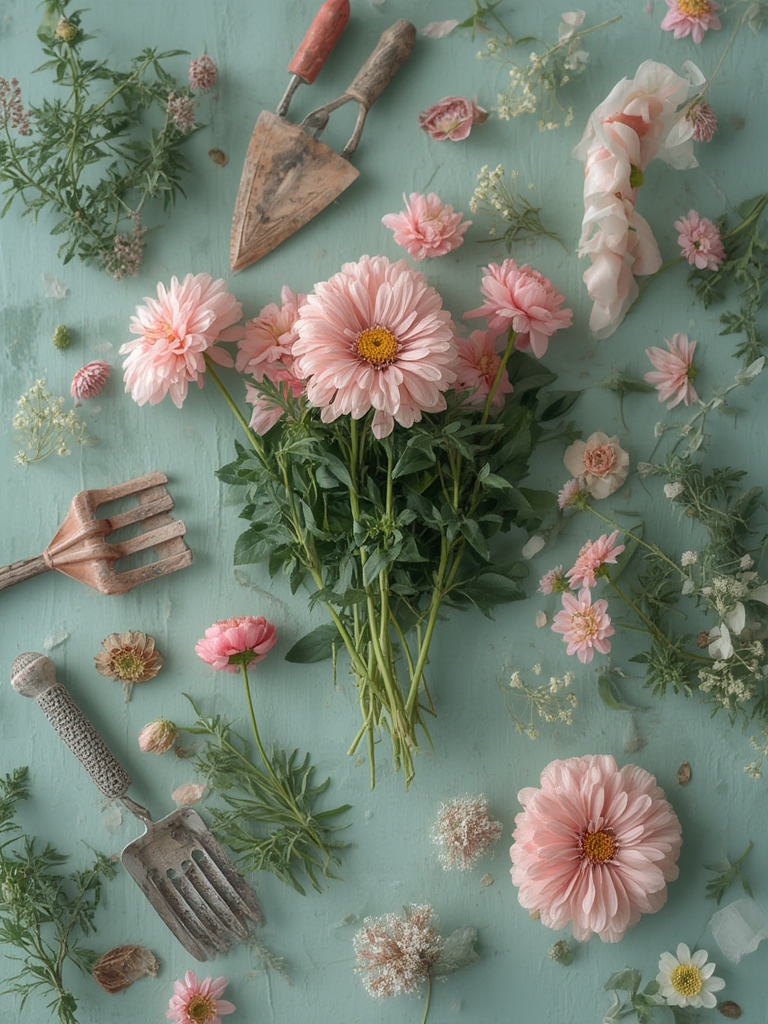
Creating a wellness‑focused garden that soothes the senses while staying allergy‑friendly is easier than you think. By pairing the right low‑allergen, soft‑scented plants with smart DIY projects and the proper tools, you can design a tranquil oasis that invites relaxation and promotes health. Below is a data‑driven, step‑by‑step guide that walks you through planning, preparing, planting, and maintaining a calming garden that even the most sensitive noses will love.
Why Choose Low‑Allergen, Soft‑Scented Plants?
Research from the American College of Allergy, Asthma & Immunology shows that up to 30% of the population experiences seasonal allergies triggered by pollen. Selecting plants that produce minimal pollen and emit gentle fragrances can reduce symptoms while still providing aromatherapy benefits. Soft‑scented varieties such as Lavender (Lavandula angustifolia), Sweet Alyssum (Lobularia maritima), and Japanese Forest Grass (Hakonechloa macra) have been shown to release volatile organic compounds (VOCs) that promote relaxation without overwhelming pollen counts.
Essential Gardening Tools for a DIY Wellness Garden
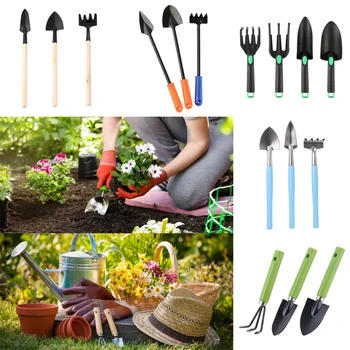
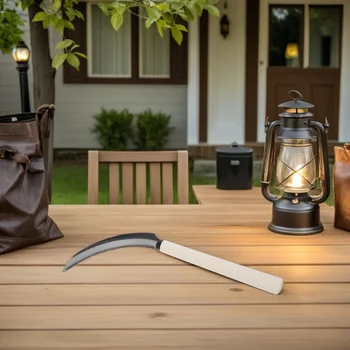
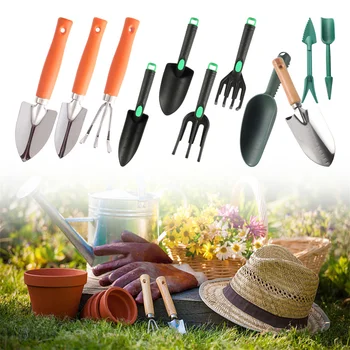
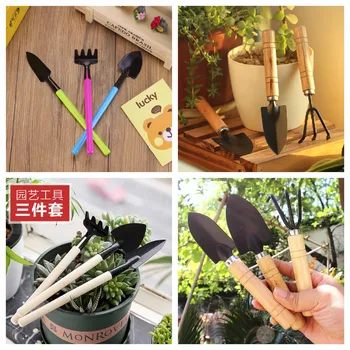
Investing in a few high‑quality tools will make every DIY step smoother and more efficient. Below is a concise checklist, ranked by frequency of use:
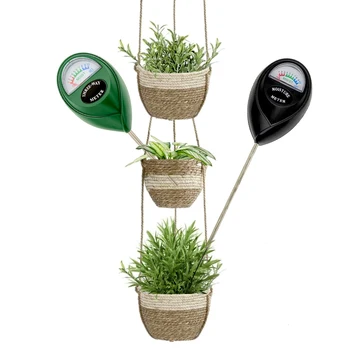
- Ergonomic Hand Trowel: Ideal for transplanting seedlings and mixing soil amendments.
- Pruning Shears (Bypass Type): Keeps foliage tidy and encourages healthy growth.
- Garden Kneeler with Seat: Reduces strain on knees and back during planting.
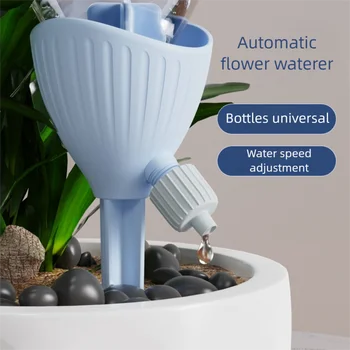
- Watering Can with Rose: Provides gentle, even watering—crucial for delicate seedlings.
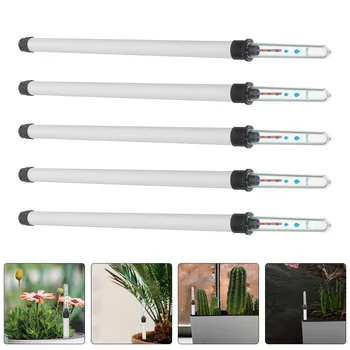
- Soil pH Tester: Ensures the soil environment matches the needs of low‑allergen plants (most thrive at pH 6.0‑7.0).
Step‑by‑Step DIY Project: Build a Raised Bed for Your Wellness Garden
Materials Needed
- Four 2‑×‑6 cedar boards (8 ft long) – cedar resists rot naturally.
- Galvanized corner brackets (4) and deck screws (2 in.)
- Landscape fabric (to line the bottom)
- High‑quality, well‑draining potting mix (1 part compost, 1 part peat moss, 1 part perlite)
- Mulch (organic, such as shredded bark)
Construction Steps
- Measure & Mark: Lay out a 4 ft × 8 ft rectangle on level ground. Mark corners with spray paint.
- Assemble Frame: Using the corner brackets, attach the cedar boards together. Pre‑drill pilot holes to prevent splitting.
- Position & Level: Place the frame on the marked area. Use a long carpenter’s level to ensure the bed is even; add shims if needed.
- Line the Bottom: Cut landscape fabric to size and lay it inside the frame. This prevents weeds while allowing water drainage.
- Fill with Soil Mix: Add the potting mix to a depth of 12 in., lightly tamping to eliminate air pockets.
- Mulch: Spread a 2‑in. layer of mulch on top. Mulch conserves moisture, suppresses weeds, and adds a polished look.
Choosing the Right Low‑Allergen, Soft‑Scented Plants
Below is a curated list of plants that meet the low‑pollen, gentle‑scent criteria, along with their ideal growing conditions and specific wellness benefits.
| Plant | Sunlight | Soil Moisture | Wellness Benefit |
|---|---|---|---|
| Lavender (Lavandula angustifolia) | Full sun (6‑8 h) | Well‑drained, slightly dry | Calming aroma reduces anxiety |
| Sweet Alyssum (Lobularia maritima) | Partial shade to full sun | Consistently moist | Delicate honey scent promotes relaxation |
| Japanese Forest Grass (Hakonechloa macra) | Partial shade | Moist but not soggy | Soft, rustling foliage aids mindfulness |
| Catmint (Nepeta faassenii) | Full sun | Moderate moisture | Light citrus scent lifts mood |
| Bee Balm (Monarda didyma) | Full sun to part shade | Evenly moist | Subtle minty fragrance improves focus |
Planting & Care: Actionable Steps for Each Species
1. Lavender
- Soil Prep: Amend the raised‑bed soil with an extra 10 % sand to improve drainage.
- Planting Depth: Space plants 12‑18 in. apart; plant at the same depth as the nursery pot.
- Watering: Water sparingly—once every 10‑14 days after establishment. Use a moisture meter to avoid over‑watering.
- Pruning: Trim back 1/3 of the top growth in early spring to encourage bushier stems.
- Tip: Sprinkle a thin layer of crushed lavender buds around the base for a natural mulch that repels pests.
2. Sweet Alyssum
- Sowing: Direct‑seed ¼ in. deep, spacing seeds 6 in. apart. Lightly press soil over seeds.
- Watering: Keep soil consistently moist until germination (7‑10 days).
- Thinning: Once seedlings have two true leaves, thin to 8‑12 in. spacing for optimal airflow.
- Deadheading: Remove spent flowers weekly to prolong blooming.
- Tip: Interplant with low‑growth herbs like thyme; the combined scent creates a layered aromatherapy effect.
3. Japanese Forest Grass
- Planting: Place crowns 12 in. apart, ensuring the rhizome sits just below the soil surface.
- Watering: Water thoroughly after planting, then maintain even moisture for the first month.
- Mulching: Apply a 2‑in. layer of pine needles to mimic its natural forest floor habitat.
- Division: Every 3‑4 years, divide clumps in early spring to prevent overcrowding.
- Tip: Add a small, shallow water feature nearby; the gentle sound enhances the meditative garden vibe.
Integrating DIY Features for a Wellness Experience
Beyond planting, small DIY additions can amplify the therapeutic atmosphere:
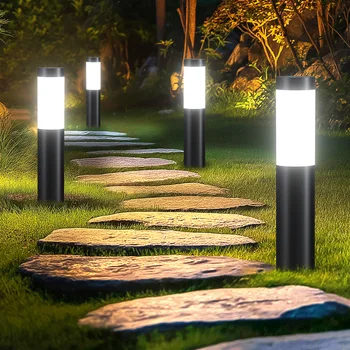
- Stepping Stone Path: Use reclaimed river rocks set in sand to create a tactile, grounding pathway.
- Herbal Tea Corner: Build a low wooden bench with a built‑in planter for mint, chamomile, and lemon balm—perfect for a post‑garden brew.
- Scented Pebble Mosaic: Glue dried lavender buds onto flat river stones and arrange them around the bed; they release fragrance when brushed by wind.
Maintenance Checklist (Weekly & Seasonal)
| Frequency | Task | Tool Needed |
|---|---|---|
| Weekly | Inspect for pests, deadhead blooms, water as needed | Hand trowel, watering can, pruning shears |
| Bi‑weekly | Check soil pH and adjust with lime or sulfur | Soil pH tester |
| Monthly | Rotate mulch, add compost if soil looks depleted | Garden kneeler, hand trowel |
| Seasonal (Spring) | Divide Japanese Forest Grass, prune lavender, fertilize with balanced organic fertilizer | Pruning shears, garden fork |
| Seasonal (Fall) | Apply a thin layer of straw mulch, protect tender perennials with burlap if frost is expected | Garden gloves, burlap |
Data‑Driven Success Metrics
To gauge the health of your wellness garden, track these simple metrics for the first three months:
- Growth Rate: Measure plant height bi‑weekly; aim for a 10‑15% increase per month for herbaceous varieties.
- Bloom Duration: Count days from first bud to last petal drop; longer bloom periods indicate optimal soil moisture and nutrient balance.
- Allergen Impact: Keep a brief symptom diary; a reduction in sneezing or itchy eyes after garden exposure signals successful low‑pollen selection.
Final Thoughts
By combining low‑allergen, soft‑scented plants with purposeful DIY structures and the right set of tools, you can craft a garden that not only looks beautiful but also serves as a daily sanctuary for mental and physical well‑being. Follow the step‑by‑step plan, stay consistent with the maintenance schedule, and let the data you collect guide future tweaks. Before you know it, your garden will become a fragrant, allergy‑friendly retreat where every breath feels like a mini‑meditation. 🌸🧘