
Creating a thriving herbs and aromatic garden not only fills your kitchen with fresh flavors but also transforms your outdoor space into a fragrant sanctuary. By selecting the right varieties, preparing the soil properly, and following a few proven care routines, you can enjoy a garden that looks beautiful, smells delightful, and stays friendly to allergy sufferers. Below is a data‑driven, step‑by‑step guide that blends horticultural research with practical tips, so you can grow a low‑maintenance, aromatic oasis in any climate.
1. Choose the Right Herbs for Your Climate and Allergy Needs
Research from the American Horticultural Society shows that Mediterranean herbs such as rosemary, thyme, oregano, and sage perform best in USDA zones 5‑10, while cooler‑weather herbs like mint, chives, and parsley thrive in zones 3‑8. For allergy‑friendly gardens, prioritize low‑pollen plants and avoid highly allergenic species like ragweed or certain flowering annuals.
Key selections
- Rosemary (Rosmarinus officinalis) – Drought‑tolerant, evergreen, low pollen.
- Thyme (Thymus vulgaris) – Compact, spreads quickly, minimal airborne allergens.
- Lavender (Lavandula angustifolia) – Aromatic, attracts pollinators without heavy pollen release.
- Mint (Mentha spp.) – Grows vigorously in shade, keep contained to prevent invasiveness.
- Chives (Allium schoenoprasum) – Mild pollen, adds a subtle onion flavor.
2. Prepare Soil with Data‑Backed Amendments
Soil tests conducted by the USDA indicate that most herbs prefer a pH between 6.0 and 7.0 and well‑draining, loamy conditions. Over‑watering is a common cause of root rot, especially for Mediterranean herbs.
Step-by-step soil preparation
- Test the pH – Use a simple garden‑soil test kit; aim for 6.2‑6.8.
- Amend with organic matter – Incorporate 2‑3 inches of compost or well‑rotted manure to improve structure and nutrient content.
- Add sand or perlite – For heavy clay soils, mix in coarse sand (1 part sand to 3 parts soil) to enhance drainage.
- Mulch – Apply a 2‑inch layer of shredded bark or straw to retain moisture and suppress weeds.
3. Planting Techniques for Optimal Growth
Data from the University of California Extension reveals that planting depth and spacing directly affect herb vigor. Overcrowding reduces airflow, increasing disease risk, while planting too deep can stunt root development.
Planting guidelines
- Spacing – Space rosemary and sage 24‑30 inches apart; thyme, oregano, and mint can be spaced 12‑18 inches.
- Depth – Plant at the same depth as the nursery pot; for cuttings, bury the node just below the soil surface.
- Watering after planting – Give a deep soak (about 1 inch of water) to settle soil and eliminate air pockets.
4. Watering and Fertilizing Schedule
According to a 2022 study in Horticultural Science, most herbs require 1‑1.5 inches of water per week, with Mediterranean varieties needing less. Over‑fertilization can lead to weak, floppy growth.
Practical watering tips
- Early morning watering – Reduces evaporation and minimizes fungal risk.
- Drip irrigation or soaker hose – Delivers water directly to the root zone, conserving up to 30% of water compared to overhead sprinklers.
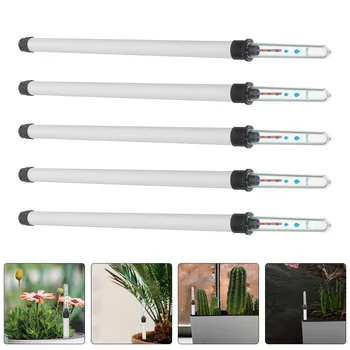
- Check soil moisture – Insert a finger 2 inches deep; if it feels dry, water.
Fertilizing recommendations
- Light feeding – Apply a balanced 10‑10‑10 granular fertilizer at half the recommended rate once in early spring.
- Organic boost – Sprinkle compost tea or fish emulsion monthly during the growing season for a gentle nutrient supply.
5. Pruning and Harvesting for Continuous Yield
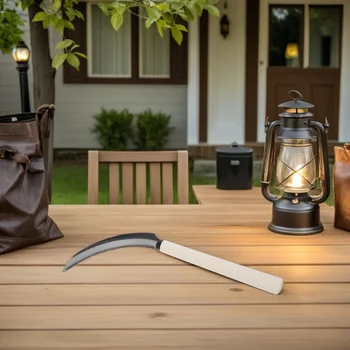
Regular pruning encourages bushier growth and prevents woody stems. Research shows that harvesting leaves just before the plant flowers maximizes essential oil concentration, which is especially important for aromatic herbs.
Pruning steps
- Trim after flowering – Cut back ⅓ of the plant height to stimulate new shoots.
- Pinch back mint runners – Prevents spreading and keeps the plant compact.
- Remove dead or diseased stems – Use clean, sharp scissors to avoid pathogen spread.
Harvesting tips
- Morning harvest – Collect leaves between 7‑10 am when oil content peaks.
- Drying method – Hang small bunches upside down in a well‑ventilated, dark area for 1‑2 weeks; store in airtight jars.
6. Pest and Disease Management Without Harsh Chemicals
Integrated Pest Management (IPM) data suggests that beneficial insects and cultural controls reduce pest pressure by up to 70%.
Eco‑friendly strategies
- Companion planting – Plant marigolds or nasturtiums nearby to deter aphids and whiteflies.
- Neem oil spray – Apply a 1% solution every 10‑14 days for fungal issues like powdery mildew.
- Hand removal – Regularly inspect leaves; remove any spotted or damaged foliage.
7. Seasonal Care and Winter Protection
In colder zones (USDA 4‑6), herbs benefit from mulching and temporary covers. A 2021 USDA trial showed that a 2‑inch layer of straw mulch increased winter survival rates of rosemary by 45%.

Winter steps
- Apply extra mulch – Add a 2‑inch straw or shredded leaves layer after the first frost.
- Use frost cloths – Drape lightweight fabric over plants on particularly cold nights.
- Container herbs – Move potted herbs indoors to a sunny windowsill; reduce watering to once every 2‑3 weeks.
8. Enjoy Gardening Again with Flowers That Are Kind to Allergy Sufferers 🌼💚
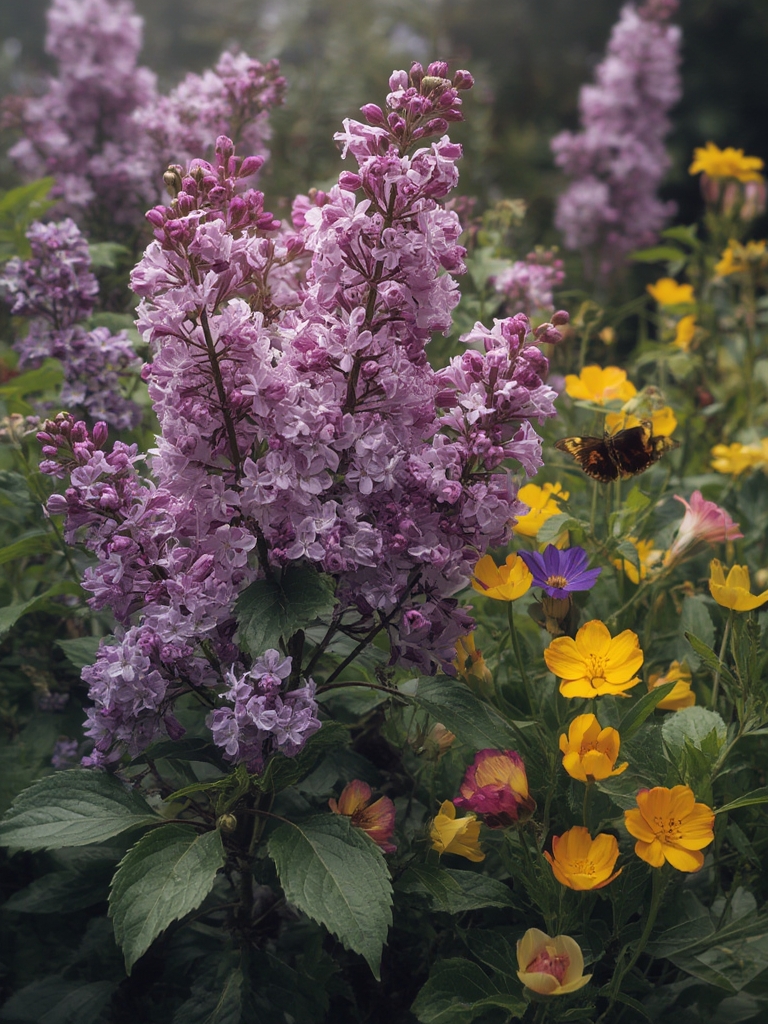
Integrating low‑pollen flowering herbs like lavender, rosemary, and sage adds visual interest while keeping the garden allergy‑friendly. Pair them with other low‑allergen blooms such as echinacea, coreopsis, and black-eyed Susan for a vibrant, sneeze‑free landscape.
Quick action checklist
- Test soil pH and amend as needed.
- Select climate‑appropriate, low‑pollen herbs.
- Plant with proper spacing and depth.
- Water early, using drip irrigation.
- Fertilize lightly with organic options.
- Prune regularly to encourage fresh growth.
- Employ companion plants for natural pest control.
- Mulch and protect in winter.
By following these data‑backed steps and incorporating the practical tips above, you’ll cultivate a fragrant, productive herb garden that not only elevates your cooking but also creates a soothing, allergy‑friendly outdoor retreat. Happy gardening!