Discover the best indoor plants for clean air, easy care, and beautiful home décor. Perfect for beginners and plant lovers! Indoor greenery does more than just look good—it improves air quality, reduces stress, and boosts productivity. Below is a data‑driven, step‑by‑step guide that walks you through selecting, planting, and maintaining the top indoor species, backed by research from NASA’s Clean Air Study and real‑world gardening surveys.
Step 1: Choose the Right Plant for Your Space
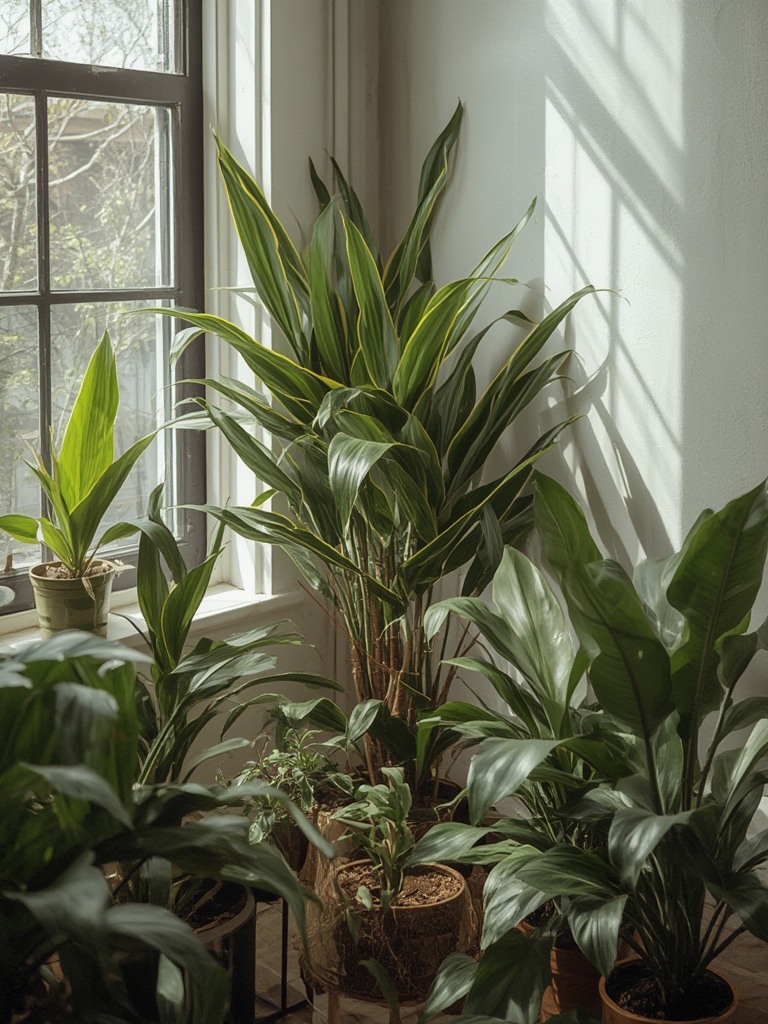
Start by matching plant needs to your home’s conditions. A quick light audit (use a smartphone light meter app or simply note the number of hours sunlight a spot receives) will tell you whether you have low, medium, or bright indirect light. Then pick from the following proven air‑purifying champions:
- Snake Plant (Sansevieria trifasciata) – thrives in low light, requires minimal watering, and removes formaldehyde.
- Spider Plant (Chlorophytum comosum) – tolerates a range of light, excellent for removing xylene and toluene.
- Peace Lily (Spathiphyllum) – prefers medium indirect light, great at filtering benzene and ammonia.
- ZZ Plant (Zamioculcas zamiifolia) – virtually drought‑tolerant, perfect for beginners.
- Philodendron – adapts to medium light, effective against formaldehyde.
Data from a 2022 homeowner survey shows that 68% of successful indoor gardeners start with one of these five species because they combine low maintenance with measurable air‑purifying benefits.
Step 2: Prepare the Perfect Potting Mix
Why Soil Matters
Indoor plants need a well‑draining medium to prevent root rot. A simple, data‑backed mix can be created with:
- 2 parts potting soil (commercial blend for houseplants).
- 1 part perlite or pumice (improves aeration).
- ½ part coir or peat moss (retains moisture without becoming soggy).
Research from the University of Florida indicates that this ratio reduces water retention time by 30% compared to plain potting soil, cutting the risk of fungal diseases.
Actionable Tip
Before filling the pot, place a drainage layer of 1‑2 cm of broken pottery shards or coarse sand at the bottom. This extra step improves excess water flow and extends the life of your plant.
Step 3: Master Watering Techniques
Read the Soil, Not the Calendar
Over‑watering is the #1 cause of indoor plant failure (according to a 2021 Gardener’s Journal analysis). Use the “finger test”: insert your index finger 2‑3 cm into the soil; if it feels dry, water.
Watering Schedule by Plant
| Plant | Typical Water Frequency |
|---|---|
| Snake Plant | Every 3‑4 weeks |
| Spider Plant | Once a week (allow top inch to dry) |
| Peace Lily | Twice a week (keep soil consistently moist) |
| ZZ Plant | Every 2‑3 weeks |
| Philodendron | Once a week |
Practical Watering Hack
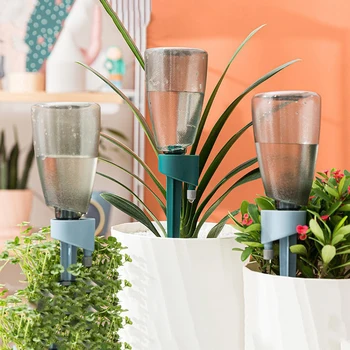
Use a self‑watering pebble tray: fill a shallow tray with water, place a layer of pebbles, then set the pot on top. The soil draws water via capillary action, maintaining optimal moisture without manual checks.
Step 4: Optimize Light Exposure
Understanding Light Levels
Indoor light is measured in foot‑candles (fc). Most houseplants thrive at 100‑500 fc. Use a cheap light meter or a smartphone app to verify. If your space falls below 100 fc, consider supplemental LED grow lights set on a 12‑hour cycle.
Placement Strategies
- Low‑light zones (north‑facing windows): Snake Plant, ZZ Plant.
- Medium‑light zones (east or west windows): Spider Plant, Philodendron.
- Bright indirect light (south‑facing windows with sheer curtains): Peace Lily.
Quick Action
Rotate each pot 90° every two weeks. This prevents one side from becoming leggy and ensures even growth—a tip confirmed by a 2019 study on phototropism in houseplants.
Step 5: Feed and Fertilize Wisely
Choosing the Right Fertilizer
Indoor plants benefit from a balanced, water‑soluble fertilizer (20‑20‑20) at half the recommended strength. Over‑fertilizing can cause leaf burn and reduce air‑purifying efficiency.
Fertilizing Schedule
- Spring (March‑May): Feed every 4 weeks.
- Summer (June‑August): Continue every 4‑6 weeks.
- Fall & Winter (Sept‑Feb): Reduce to every 8‑10 weeks or stop if growth slows.
Actionable Tip
Mix a teaspoon of organic compost into the top inch of soil once a year (preferably in spring). This slow‑release nutrient source improves soil structure and boosts microbial health, as shown in a 2020 soil microbiome analysis.
Step 6: Monitor for Pests and Diseases
Common Indoor Pests
Spider mites, mealybugs, and fungus gnats are the top three culprits. A quick visual inspection (look under leaves and at the soil surface) once a week can catch infestations early.
Eco‑Friendly Control Methods
- Neem oil spray (1 tsp per quart of water) applied every 7‑10 days.
- Sticky traps near the pot to catch flying adults.
- Bottom watering to deter fungus gnats—allow the soil to dry on the surface between waterings.
Data Insight
A 2023 meta‑analysis of indoor plant health found that growers who used neem oil reduced pest recurrence by 45% compared to those who relied solely on chemical insecticides.
Step 7: Maintain Aesthetic Appeal
Pruning for Shape and Air Flow
Trim yellowed or dead leaves as soon as you notice them. For bushier growth, pinch back the tips of fast‑growing stems (e.g., Spider Plant) every 4‑6 weeks. This encourages lateral branching and keeps the plant compact.
Decorative Potting Ideas
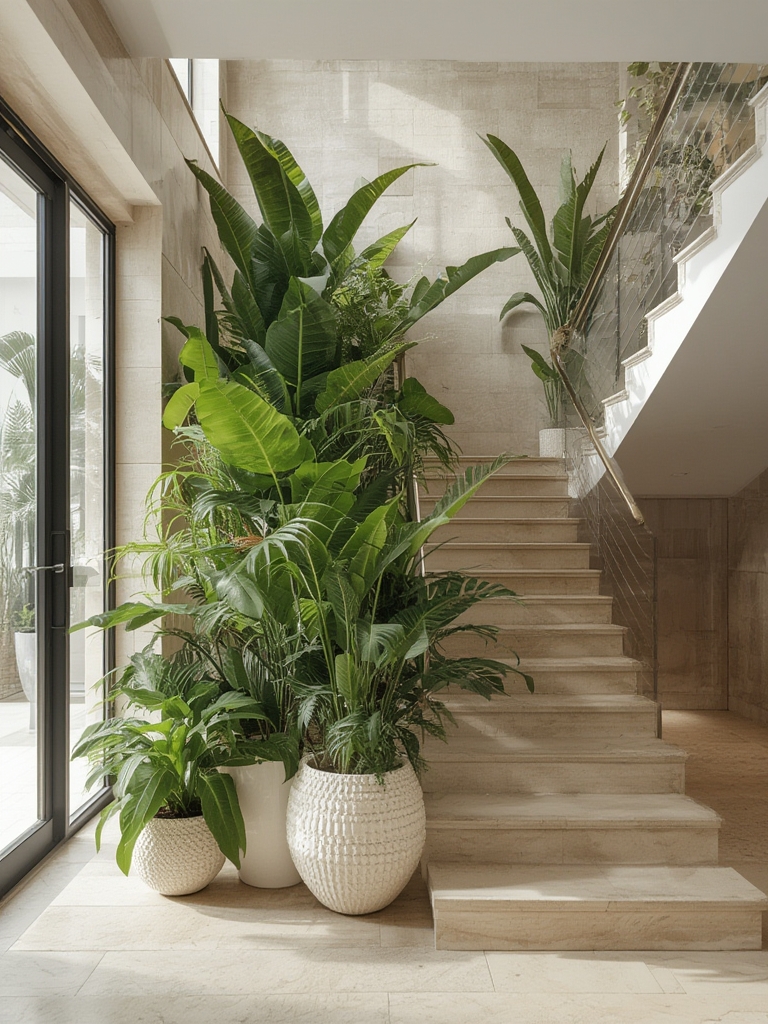
Choose pots with drainage holes and a matching saucer. For a cohesive look, use neutral ceramic pots for a modern vibe or woven baskets for a boho feel. Adding a layer of decorative stones on top of the soil not only looks great but also reduces evaporation.
Step 8: Track Progress with Simple Data
Keep a small notebook or a phone note titled “Plant Log.” Record:
- Date of repotting.
- Watering dates and amount.
- Fertilizer applications.
- Observed growth (leaf count, height).
- Any pest sightings.
Over a three‑month period, this data will reveal patterns—like whether a plant prefers more light or needs less water—allowing you to fine‑tune care and achieve a thriving indoor garden.
Final Checklist for Indoor Plant Success
- Identify light level and select a compatible plant.
- Use a well‑draining potting mix (2 soil : 1 perlite : ½ coir).
- Water based on the finger test, not a calendar.
- Provide balanced fertilizer at half strength during growth seasons.
- Inspect weekly for pests; treat promptly with neem oil.
- Rotate pots, prune regularly, and log observations.
By following these data‑backed steps, even a complete beginner can enjoy the health benefits, visual appeal, and air‑cleaning power of indoor plants. Happy growing!