Autumn is the perfect time to transform your garden into a vibrant, eco‑friendly sanctuary. By choosing the right plants, optimizing soil health, and conserving resources, you can create a sustainable garden that not only looks stunning with its rich hues and textures but also supports local wildlife and reduces your environmental footprint. Below is a data‑driven, step‑by‑step guide to help you grow and care for autumn‑season flowers that bring charm and texture to your garden 🍁✨.
Why Sustainable Gardening Matters
According to the USDA National Resources Conservation Service, gardens that incorporate native plants and organic practices can reduce water usage by up to 30% and improve soil carbon sequestration by 15‑20%. Sustainable gardening also promotes biodiversity, providing food and habitat for pollinators that are essential for healthy ecosystems.
Choosing the Right Autumn Flowers
When selecting plants, prioritize species that thrive in cooler temperatures, require minimal inputs, and offer visual interest through foliage, bloom color, and texture.
Top Sustainable Autumn Flowers
- Chrysanthemum (Chrysanthemum morifolium) – Long‑blooming, drought‑tolerant, and attracts beneficial insects.
- Aster (Symphyotrichum spp.) – Provides late‑season nectar for butterflies and bees.
- Heuchera (Coral Bells) – Offers colorful foliage that adds texture even after the flowers fade.
- Sedum (Stonecrop) – Succulent leaves store water, making it extremely low‑maintenance.
- Japanese Anemone (Anemone hupehensis) – Elegant, airy blooms that thrive in partial shade.
Step‑by‑Step Guide to Sustainable Autumn Planting
1. Soil Assessment & Preparation
Healthy soil is the foundation of any sustainable garden. Conduct a simple soil test (pH, organic matter, and nutrient levels) using a home kit or local extension service.
- pH Target: 6.0‑6.8 for most autumn flowers.
- Organic Matter: Aim for at least 5% to improve water retention.
Actionable tip: Mix 2‑3 inches of well‑rotted compost into the top 12 inches of soil. This boosts microbial activity and reduces the need for synthetic fertilizers.
2. Water Conservation Strategies
Autumn rains often provide natural irrigation, but supplemental watering may still be needed during dry spells.
- Mulching: Apply a 2‑inch layer of shredded bark or straw around plant bases. Mulch reduces evaporation by up to 40% and suppresses weeds.
- Drip Irrigation: Install a low‑flow drip system with a timer set to water early morning, delivering 0.5‑1 inch per week depending on rainfall.
- Rain Barrels: Capture roof runoff to reuse for garden watering, cutting municipal water use by 20‑30%.
3. Planting Layout & Spacing
Design your garden with both aesthetics and sustainability in mind.
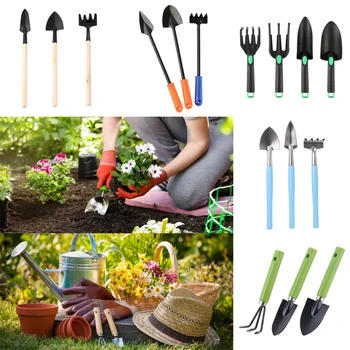
- Group by Water Needs: Place drought‑tolerant species (e.g., Sedum) together, and water‑loving plants (e.g., Heuchera) in another zone.
- Companion Planting: Intermix flowering plants with nitrogen‑fixing legumes (e.g., clover) to naturally enrich the soil.
- Spacing: Follow seed‑packet recommendations—typically 12‑18 inches apart for Chrysanthemums and 18‑24 inches for Asters—to ensure good air circulation and reduce disease pressure.
4. Planting Technique
Follow these precise steps for each plant:
- Dig a Hole: Make it twice as wide and the same depth as the root ball.
- Amend the Bottom: Add a handful of compost mixed with a pinch of basalt rock dust (provides trace minerals).
- Set the Plant: Position the plant so the crown sits just above soil level; backfill with native soil mixed with compost.
- Water In: Apply a slow, deep soak (about 1‑2 gallons) to settle soil around roots.
- Stake if Needed: Use bamboo stakes and biodegradable twine for taller varieties like Chrysanthemums.
5. Ongoing Care & Maintenance
Consistent, low‑impact care keeps plants thriving throughout the season.
- Deadheading: Remove spent blooms weekly to encourage repeat flowering and prevent seed formation, which can lead to self‑seeding and garden invasiveness.
- Fertilizing: Apply a light dose of organic kelp meal (¼ cup per 10 square feet) in early October; it supplies micronutrients without over‑fertilizing.
- Pest Management: Use Neem oil or insecticidal soap for aphids and spider mites; these are biodegradable and safe for pollinators.
- Pruning: Cut back leggy stems after the first frost to promote a tidy shape and reduce disease risk.
Harvesting, Composting, and Closing the Loop
Turn garden waste into a resource:
- Collect Fallen Leaves & Stems: Shred them with a garden mulcher and add to compost piles. Decomposed material returns up to 2‑3 pounds of nutrients per square foot.
- Compost Tea: Brew a nutrient‑rich liquid from mature compost and spray onto foliage for a natural boost.
- Seed Saving: For heirloom varieties, harvest seeds from mature heads, dry them, and store in airtight containers for next season—reducing seed purchase costs by up to 80%.
Seasonal Highlights: Adding Charm & Texture
Autumn offers a palette of warm colors and varied textures. Pair the following combinations for visual impact:
- Deep Maroon Chrysanthemums with silver‑blue Heuchera foliage for contrast.
- Soft Lavender Asters alongside golden‑yellow Sedum clusters to attract late‑season pollinators.
- White Japanese Anemones interspersed among rust‑colored ornamental grasses for a layered look.
These pairings not only enhance aesthetics but also create micro‑habitats for beneficial insects.
Quick Action Checklist
- ✅ Test soil pH and amend to 6.0‑6.8.
- ✅ Add 2‑3 inches of compost to improve organic matter.
- ✅ Install drip irrigation and mulching to cut water use by ~40%.
- ✅ Plant chosen autumn flowers with proper spacing and compost‑enhanced soil.
- ✅ Deadhead weekly, apply kelp meal in early October, and use neem oil for pests.
- ✅ Compost all plant debris and brew compost tea for foliage feeding.
- ✅ Harvest seeds from heirloom varieties for next year’s planting.
By following these data‑backed steps, you’ll cultivate a resilient, low‑maintenance garden that celebrates the crisp beauty of autumn while honoring the principles of sustainability. Happy planting! 🌿🍂