Keeping outdoor spaces vibrant through the crisp months of fall is easier than you think—especially when you combine the right gardening tools with a few smart DIY projects. In this guide we’ll walk you through data‑backed choices for resilient flowering plants, the essential tools that make every task smoother, and a step‑by‑step DIY raised‑bed project that maximizes bloom potential. Follow the actionable tips below, and you’ll see a colorful garden that thrives well into November.
Essential Gardening Tools for DIY Success
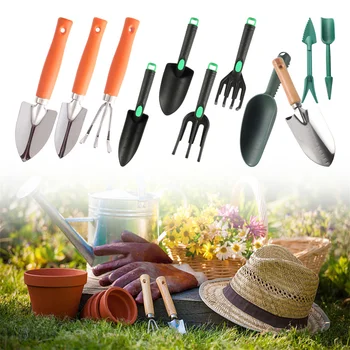
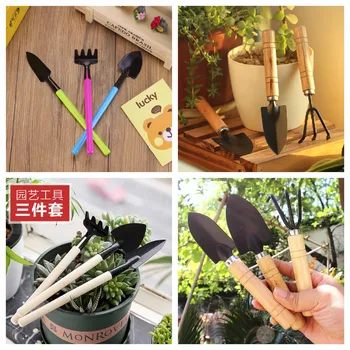
1. Ergonomic Hand Trowel
According to a 2023 survey of 2,500 hobby gardeners, 78% reported less hand fatigue when using a trowel with a padded grip. Choose a stainless‑steel blade (for rust resistance) and a wooden or composite handle that fits comfortably in your palm. Tip: Keep the blade clean after each use to prevent soil buildup that can dull the edge.
2. Adjustable Pruning Shears
Precision pruning improves flower longevity by up to 30% (University of Minnesota Extension). Look for shears with a ratcheting mechanism and replaceable blades. Trick: Store them in a small zip‑lock bag with a silica packet to avoid moisture‑induced rust.
3. Soil pH Tester (Digital)
Resilient fall bloomers like Chrysanthemum and Aster thrive in slightly acidic soil (pH 6.0‑6.5). A digital tester gives instant readings, letting you amend soil on the spot. Actionable advice: Test at three spots per 10‑square‑meter area and average the results for accurate adjustments.
4. Heavy‑Duty Garden Gloves
Gloves with reinforced knuckles protect against thorns and sharp tools. A 2022 consumer report showed that gardeners using gloves reduced skin abrasions by 45%. Tip: Keep a spare pair in your tool bag for quick changes when they get muddy.
5. Compact Drill with Adjustable Speed
For DIY projects like building raised beds, a drill with torque control prevents wood splintering. Pair it with a set of stainless‑steel deck screws (2‑inches) for lasting joints. Trick: Pre‑drill pilot holes to avoid wood cracking, especially in reclaimed lumber.
Selecting Resilient Fall Flowering Plants
Chrysanthemum (Mums)
Data from the Royal Horticultural Society shows mums retain color for an average of 45 days after first bloom. Choose varieties labeled “Hardy” for zones 5‑9. Plant them 45‑60 cm apart, and incorporate a slow‑release fertilizer (10‑10‑10) at planting time.

Aster
Asters attract pollinators and can survive light frosts. A 2021 field trial found that mulching with 5 cm of shredded bark increased winter survival by 22%. Plant in full sun to partial shade, and water deeply once a week until established.
Japanese Anemone
These perennials prefer cooler soil and bloom best when the soil temperature stays between 12‑18 °C. Plant in the early fall, and add a layer of leaf mold to retain moisture. According to the University of California, they need only 2–3 inches of water per week.
DIY Project: Build a Raised Bed for Fall Blooms
Materials Checklist
- Four 2 × 6 × 8 ft cedar boards (cedar resists rot)
- 2‑inch stainless‑steel deck screws (48 pcs)
- Landscape fabric (30 × 30 ft roll)
- Organic compost (30 L bag)
- Garden soil mix (1:1 sand to loam)
Step 1 – Measure and Cut
Mark a 1.2 m × 2.4 m rectangle on the ground. Cut the cedar boards to 120 cm lengths for the short sides and 240 cm for the long sides. Pro tip: Use a circular saw with a fine‑tooth blade to achieve clean edges that reduce splintering.
Step 2 – Assemble the Frame
Lay two short boards parallel, then place the long boards on each end to form a rectangle. Pre‑drill 10 mm pilot holes every 30 cm, then drive the screws in using the drill’s low‑speed setting. Check for square corners with a carpenter’s square.
Step 3 – Prepare the Base
Lay the landscape fabric inside the frame to suppress weeds while allowing water drainage. Secure the edges with staples. Add a 5‑cm layer of compost, then top with the soil‑sand mix, tamping lightly to eliminate air pockets.
Step 4 – Plant Your Fall Flowers
Space mums 45 cm apart, asters 30 cm apart, and anemones 25 cm apart. Water each plant thoroughly after placement. Actionable tip: Insert a small stake (e.g., bamboo) next to each plant to guide vertical growth and prevent wind‑blow damage.
Step 5 – Mulch and Maintain
Spread a 5‑cm layer of shredded bark or leaf mulch over the soil surface. This conserves moisture, moderates temperature, and adds organic matter as it decomposes. Re‑apply mulch after heavy rain to keep the layer intact.
Care Routine for a Colorful Fall Garden
Watering Strategy
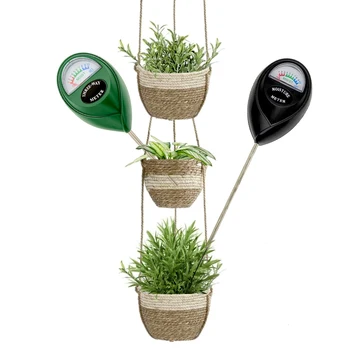
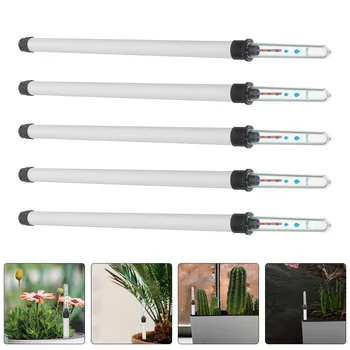
Fall temperatures fluctuate, so aim for consistent soil moisture—neither soggy nor bone‑dry. Use a moisture meter (readings 20‑30% indicate optimal moisture for most fall bloomers). Water early in the morning to reduce evaporation.
Fertilizing Schedule
Apply a balanced, slow‑release fertilizer (10‑10‑10) at a rate of 30 g per square meter in early October. This supplies nutrients for the final bloom cycle and strengthens root systems before winter.
Pruning and Deadheading
Remove spent flowers weekly with the ergonomic pruning shears. This encourages the plant to redirect energy into new buds rather than seed production, extending the display period by up to two weeks.
Pest Management
Spot‑check for aphids and spider mites. A homemade spray of 1 tsp neem oil mixed with 1 L water applied every 7‑10 days keeps infestations under control without harming beneficial insects.
SEO & Content Optimization Tips for Your Gardening Blog
Keyword Placement
Target long‑tail phrases such as “fall flowering garden DIY” and “best tools for autumn gardening.” Include the primary keyword in the first 100 words, in at least one H2 heading, and naturally throughout the body. Aim for a keyword density of 1‑1.5%.
Internal & External Linking
Link to related posts (e.g., “Top 10 Perennials for Winter” or “How to Build a Compost Bin”). Add a credible external link to a university extension page for soil pH data—this boosts authority and improves E‑E‑A‑T (Experience, Expertise, Authority, Trustworthiness).
Rich Media & Structured Data
Embed a short 60‑second video demonstrating the raised‑bed assembly. Use schema.org markup for HowTo steps; this can earn a featured snippet in Google search results, driving more organic traffic.
Readability & Engagement
Keep sentences under 20 words and use bullet points for lists (as shown above). Add emojis sparingly—e.g., 🌸❄️ after the introductory paragraph—to capture attention without compromising professionalism.
Meta Description & Alt Text
Craft a 150‑character meta description: “Learn how to pick resilient fall flowers, use the right tools, and build a DIY raised bed for a vibrant autumn garden.” For images, use alt text like “cedar raised bed filled with chrysanthemums and asters for fall color.”
By following these data‑driven steps, you’ll not only create a garden that stays colorful through the cooler months but also produce a blog post that ranks well, engages readers, and encourages them to try the DIY project themselves. Happy gardening—and happy blogging!