
Welcome to the world of smart gardening! If you love fresh herbs, vibrant flowers, or home‑grown veggies but feel pressed for time, you’re in the right place. This guide walks you through practical, data‑driven techniques that let you nurture a thriving garden without sacrificing your busy schedule. By the end, you’ll have a clear plan to grow more with less effort, all while enjoying the satisfaction of watching your plants flourish.
Why Smart Gardening Techniques for Busy People Work
Busy lifestyles often mean limited time for watering, pruning, and monitoring plant health. Smart gardening leverages technology, efficient design, and smart habits to automate or simplify these tasks. Studies show that gardeners who use drip irrigation, soil sensors, and strategic planting can reduce water usage by up to 30% and cut maintenance time in half. The key is to focus on high‑impact actions that deliver the biggest results with the smallest time investment.
1. Choose Low‑Maintenance Plants
Start with varieties that naturally thrive in your climate and require minimal care. Native perennials, herbs like rosemary and thyme, and hardy vegetables such as kale and radishes are excellent choices. When you select plants suited to local conditions, you reduce the need for extra watering, fertilizing, or pest control.
2. Optimize Your Garden Layout
Designing a garden with efficiency in mind saves time daily. Group plants with similar water and sunlight needs together (known as “zone planting”). This allows you to set up a single irrigation system for each zone, eliminating the need to adjust watering for individual plants.
3. Use Smart Irrigation Systems
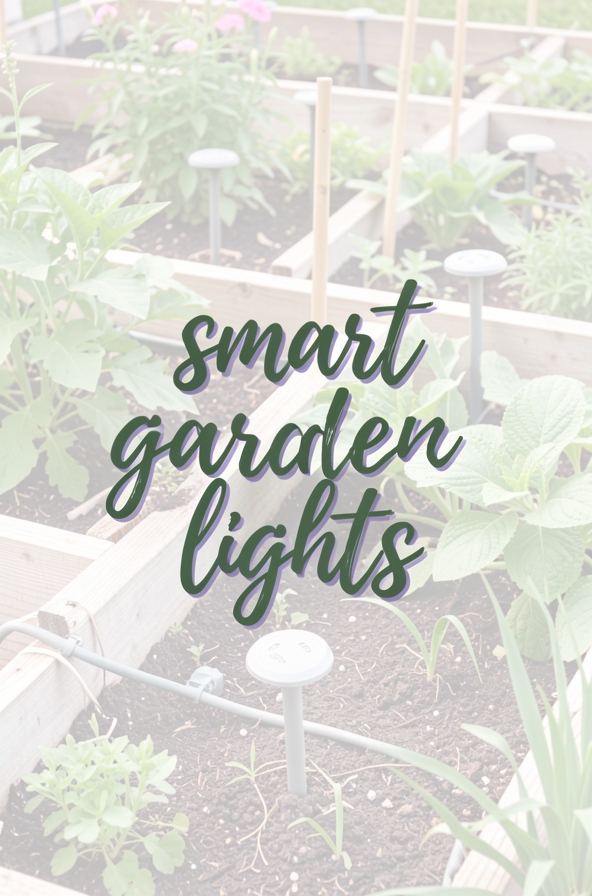
Automated drip irrigation paired with a moisture sensor can water your garden only when needed. These systems can be programmed via a smartphone app, giving you control even when you’re away. Data from the sensor helps prevent over‑watering, which is a common mistake that leads to root rot and wasted resources.
Practical Tips to Implement Smart Gardening Techniques
Set Up Soil Sensors
- Pick the right sensor: Look for models that measure moisture, temperature, and pH. Many affordable options connect to Wi‑Fi and send alerts to your phone.
- Place sensors strategically: Insert one sensor per zone, about 6 inches deep, near the root zone of representative plants.
- Calibrate and monitor: Follow the manufacturer’s guide to calibrate readings. Check the data weekly and adjust irrigation schedules accordingly.
Implement Mulching for Moisture Retention
Applying a 2‑3 inch layer of organic mulch (like shredded bark or straw) around your plants reduces evaporation, suppresses weeds, and enriches the soil as it breaks down. Mulch is a simple, low‑cost technique that can cut watering frequency by up to 40%.
Adopt Container Gardening
For those with limited space or time, containers are a game‑changer. They allow you to move plants to optimal sunlight, control soil quality, and reduce pest exposure. Choose self‑watering containers with built‑in reservoirs; they release water gradually, keeping roots moist without daily attention.
Schedule Automated Tasks
Use a digital calendar or a gardening app to set recurring reminders for essential chores like fertilizing, pruning, and harvesting. Even a 10‑minute weekly check can prevent small issues from becoming big problems.
Common Mistakes and How to Avoid Them
Over‑watering
Even with smart irrigation, it’s easy to over‑water if you rely solely on a timer. Always cross‑check sensor data before the system runs. If the soil reads above the recommended moisture level, pause watering and let the soil dry out.
Ignoring Soil Health
Healthy soil is the foundation of any garden. Skipping soil tests or neglecting organic matter can lead to nutrient deficiencies. Use a simple soil test kit at least once a year, and amend the soil with compost or well‑rotted manure based on the results.
Planting Too Densely
Cramped plants compete for water, light, and nutrients, leading to stunted growth and increased disease risk. Follow spacing guidelines on seed packets, and consider vertical gardening (trellises, stacked planters) to maximize space without crowding.
Forgetting Seasonal Adjustments
Smart gardening isn’t set‑and‑forget. Seasonal changes affect water needs, sunlight, and pest activity. Review your sensor data monthly and adjust irrigation schedules, mulch depth, and plant placement as the weather shifts.
Step‑by‑Step Guide to a Busy‑Friendly Garden
- Assess Your Space: Measure the area, note sun exposure, and identify any shade or wind patterns.
- Choose Your Plants: Pick low‑maintenance, climate‑appropriate varieties. Aim for a mix of herbs, leafy greens, and a few decorative flowers.
- Design Zones: Group plants by water and light needs. Sketch a simple layout on paper or a phone app.
- Install Irrigation: Set up a drip system with a timer and connect soil moisture sensors to each zone.
- Prepare Soil: Loosen the soil, add compost, and lay down mulch.
- Plant and Water: Follow spacing guidelines, water lightly to settle soil, then let the sensor guide future watering.
- Set Reminders: Add monthly tasks (fertilizing, pruning) to your calendar.
- Monitor and Adjust: Review sensor data weekly, make minor tweaks, and enjoy the results.
Conclusion
Smart gardening techniques for busy people empower you to enjoy fresh produce, beautiful blooms, and the therapeutic benefits of gardening without a massive time commitment. By selecting the right plants, optimizing layout, leveraging technology, and staying mindful of common pitfalls, you can create a low‑maintenance garden that thrives year after year. Start small, use data to guide your decisions, and watch your garden grow effortlessly alongside your busy life.