
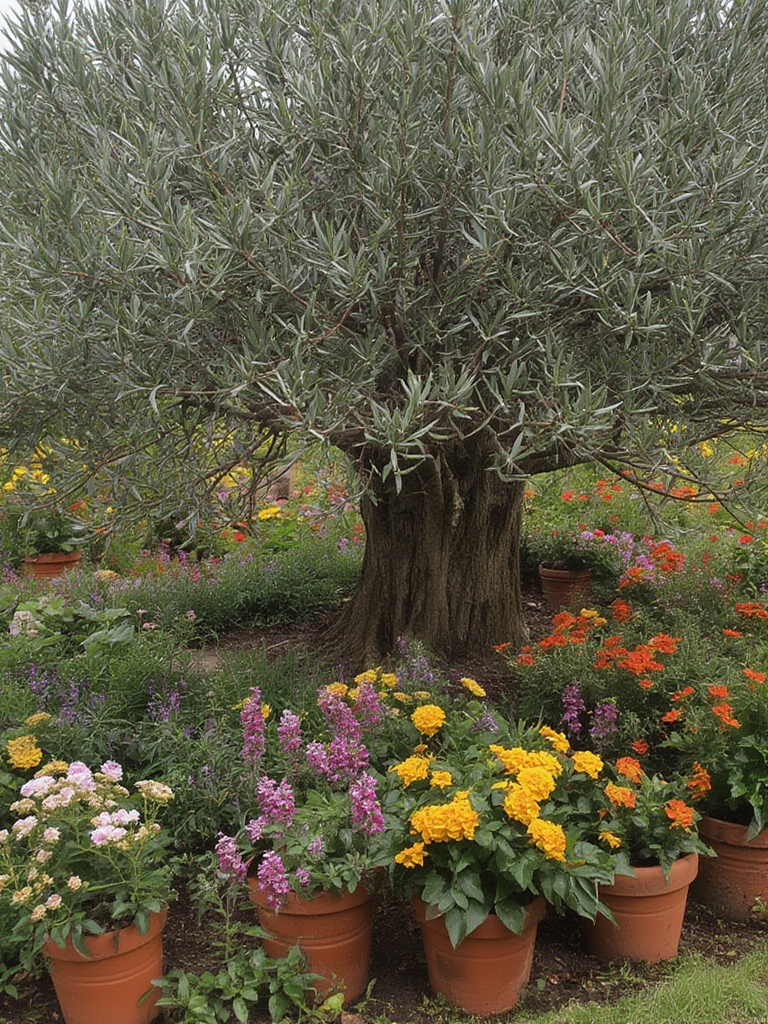
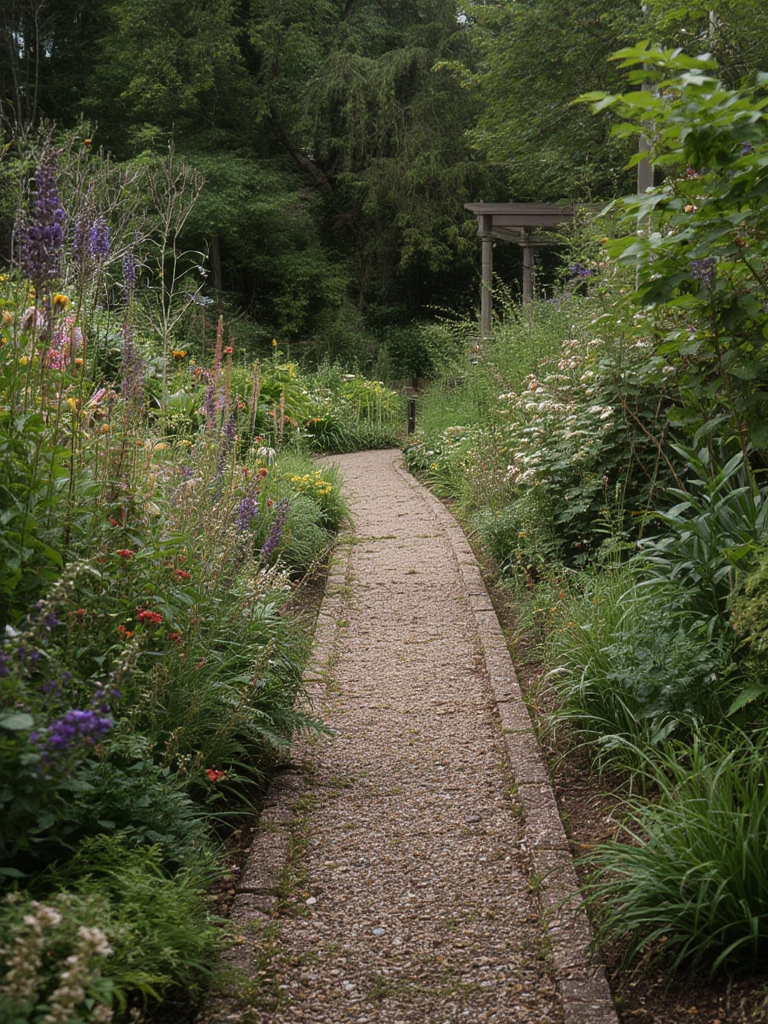
Creating a garden that thrives while protecting the planet is both rewarding and increasingly essential. Sustainable gardening blends eco‑friendly practices with smart design, ensuring healthy soil, water efficiency, biodiversity, and year‑round visual appeal. Below you’ll find a data‑driven, step‑by‑step guide that walks you through planning, planting, maintaining, and decorating your garden responsibly. Each step includes practical tips, tricks, and small actions you can implement today to boost success and keep your outdoor space vibrant throughout the seasons.
1. Assess Your Site and Set Measurable Goals
Before you break ground, gather data about your garden’s micro‑climate, soil composition, and sunlight exposure. Use a simple soil test kit (available at most garden centers) to measure pH, organic matter, and nutrient levels. Record the results in a spreadsheet and set clear, quantifiable goals such as “reduce irrigation water use by 30 % in 6 months” or “increase pollinator visits by 20 % by summer.”
Actionable Tips
- Map sunlight: Sketch a sun‑path diagram for a typical week in summer and winter; note areas that receive full sun (6+ hours), partial shade (3‑6 hours), and full shade (<3 hours).
- Measure water use: Install a rain gauge and track weekly rainfall. Compare it with your irrigation schedule to identify over‑watering.
- Set a baseline: Photograph your garden now and note existing plant diversity. This baseline will help you track improvements over time.
2. Build Healthy, Living Soil
Soil health is the cornerstone of sustainability. Healthy soil stores carbon, retains moisture, and supports beneficial microbes. Aim to increase organic matter to at least 5 % within the first year.
Step‑by‑Step Soil Improvement
- Compost incorporation: Add 2–3 inches of well‑rotted compost to the top 6 inches of soil each spring. Compost improves structure and supplies slow‑release nutrients.
- Cover crops: Plant nitrogen‑fixing legumes (e.g., clover or vetch) in vacant beds during the off‑season. They protect soil from erosion and add organic matter when turned under.
- Mulching: Spread 2–3 inches of organic mulch (straw, wood chips, or shredded leaves) after planting. Mulch reduces evaporation, suppresses weeds, and gradually adds carbon to the soil.
Quick Soil Hacks
- Use coffee grounds sparingly (no more than 10 % of the mix) to add nitrogen.
- Apply a thin layer of biochar (1 % of soil volume) to boost microbial activity and sequester carbon.
- Test soil moisture with a wooden stake; if it’s dark brown 2 inches down, you’re adequately watered.
3. Choose Native, Drought‑Resistant Plants
Native species are adapted to local rainfall patterns, pests, and soil types, which means they need less water, fertilizer, and pesticide input. According to the USDA Plant Hardiness Zone map, selecting plants within your zone can reduce water use by up to 40 %.
Top Sustainable Picks (U.S. Zones 5‑9)
- Echinacea purpurea – attracts pollinators, tolerates dry spells.
- Salvia nemorosa – low‑maintenance, blooms all summer.
- Lavandula angustifolia – drought‑tolerant, aromatic, repels some pests.
- Asclepias tuberosa (Butterfly Weed) – supports monarch butterflies, thrives in poor soils.
Planting Procedure
- Dig a hole twice as wide as the root ball but no deeper.
- Mix 20 % compost with the excavated soil.
- Place the plant at the same depth it was in the nursery pot, backfill, and water deeply.
- Apply a 2‑inch mulch ring around the base, keeping mulch away from the stem.
4. Implement Water‑Smart Irrigation
Efficient watering saves resources and protects plants from root rot. Data from the EPA shows that drip irrigation can reduce water use by 30‑50 % compared with overhead sprinklers.
Setting Up a Drip System
- Map zones: Group plants with similar water needs (e.g., herbs, succulents, shrubs).
- Install a timer: Program watering early morning (5‑7 am) to minimize evaporation.
- Use pressure regulators: Ensure flow rates of 0.5–2 gallons per hour per emitter.
- Check for leaks: Perform a weekly visual inspection and adjust as plants mature.
Low‑Tech Water Hacks
- Collect rainwater in a 200‑liter barrel; use a simple hose adapter to connect to your drip lines.
- Place a layer of pea gravel under mulch to improve drainage and retain moisture.
- Group plants with similar water needs together to avoid over‑watering some while under‑watering others.
5. Foster Biodiversity and Natural Pest Management
A diverse garden creates habitats for beneficial insects that naturally control pests. Studies show that planting a mix of flowering plants can increase ladybird and lacewing populations by 25 %.
Habitat Enhancements
- Pollinator strips: Plant a 1‑meter wide band of nectar‑rich flowers (e.g., bee balm, cosmos) along one garden edge.
- Insect hotels: Stack bamboo tubes, drilled logs, and straw bundles in a sunny corner to attract solitary bees.
- Ground cover: Use low‑growing clover or creeping thyme to suppress weeds and provide shelter.
Integrated Pest Management (IPM) Steps
- Scout weekly for early signs of damage.
- Identify the pest (use a free app like “Plantix” for quick ID).
- Apply the least toxic control: hand‑pick, use neem oil, or introduce predatory insects.
- Document outcomes in your garden journal to refine future actions.
6. Refresh Your Outdoor Space Year‑Round with Seasonal Garden Decor Ideas 🍁🌸❄️
Seasonal décor not only adds visual interest but can also support sustainability when you choose reusable or natural materials.

Spring (March‑May)
- Swap plastic planters for reclaimed wooden crates painted with non‑toxic chalk paint.
- Hang bundles of fresh lavender or rosemary for scent and pollinator attraction.
- Install a DIY rain chain made from repurposed copper tubing to guide water into a rain barrel.
Summer (June‑August)
- Use upcycled glass bottles as mini‑vases for wildflower cuttings.
- Create a shade sail from a reclaimed canvas tarp to reduce heat stress on delicate plants.
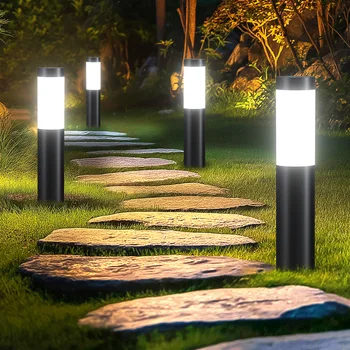
- Place solar‑powered garden lights along pathways for energy‑free illumination.
Fall (September‑November)
- Arrange a “leaf mosaic” on a low wall using fallen maple, oak, and birch leaves for a natural art piece.
- Turn pumpkin shells into biodegradable planters for winter herbs.
- Hang wind chimes made from reclaimed metal to celebrate crisp breezes.
Winter (December‑February)
- Wrap evergreen branches in burlap and drape them over garden arches for a festive look.
- Place a bird‑feeding station made from a repurposed milk crate, filled with suet and seeds.
- Use LED fairy lights powered by a small solar panel to add a warm glow without extra electricity.
7. Monitor, Adjust, and Celebrate Your Progress
Data‑driven gardening is an ongoing loop: measure, act, and refine. Set a monthly review in your calendar to log water usage, plant health scores, and pollinator counts. Celebrate milestones—whether it’s a 15 % reduction in irrigation or the first butterfly sighting—to stay motivated.
Quick Review Checklist
- Soil organic matter ≥ 5 %?
- Water use down 20 % from baseline?
- At least three native species thriving?
- Beneficial insects observed?
- Seasonal décor updated?
By following these evidence‑based steps, you’ll cultivate a garden that not only looks beautiful but also contributes positively to the environment. Happy sustainable gardening!
