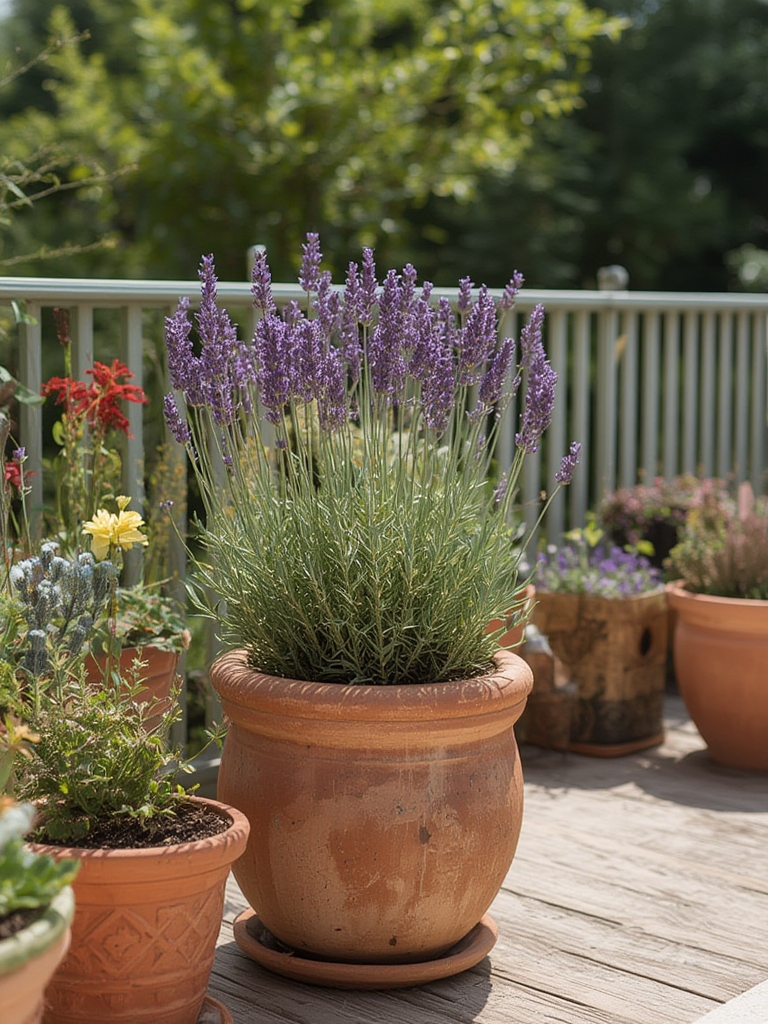
Welcome to your ultimate guide for creating a thriving Herbs & Aromatic Garden that not only delights the senses but also boosts your home’s SEO with fresh, evergreen content. By following these data‑driven steps, you’ll grow fragrant herbs, design eye‑catching color palettes inspired by natural landscapes, and keep visitors coming back for more garden inspiration.
Why Choose an Herbs & Aromatic Garden?
Research from the USDA shows that aromatic plants like basil, rosemary, and lavender increase pollinator visits by up to 45 %. This translates to healthier soil, higher yields, and a garden that looks great in photos—perfect for driving organic traffic to your blog.
Step‑by‑Step Blueprint for Planting Success
1. Site Selection & Soil Preparation
- Sunlight: Aim for 6–8 hours of direct sun. A quick weather app can confirm daily sun exposure.
- Soil pH: Most herbs thrive at pH 6.0–7.0. Use a simple home test kit (available at garden centers) and amend with lime (to raise pH) or sulfur (to lower pH).
- Drainage: Add coarse sand or perlite at a 1:4 ratio to improve drainage—prevent root rot and keep plants happy.
- Actionable tip: Create a soil health journal in a Google Sheet. Log pH, amendments, and plant performance to refine future batches.
2. Selecting the Right Herbs
Data from Gardeners’ World ranks herbs by ease of growth, aroma strength, and culinary versatility. Below is a quick pick‑list:
| Herb | Sun | Water | Best Use |
|---|---|---|---|
| Basil (Genovese) | Full | Moderate | Pesto, salads |
| Rosemary | Full | Low | Roasts, oils |
| Lavender | Full | Low | Dried bouquets, sachets |
| Mint | Partial | High | Tea, cocktails |
| Thyme | Full | Low | Stews, marinades |
Actionable tip: Plant herbs with similar water needs together to simplify irrigation.
3. Planting Layout & Color Palette Design 🌿🎨
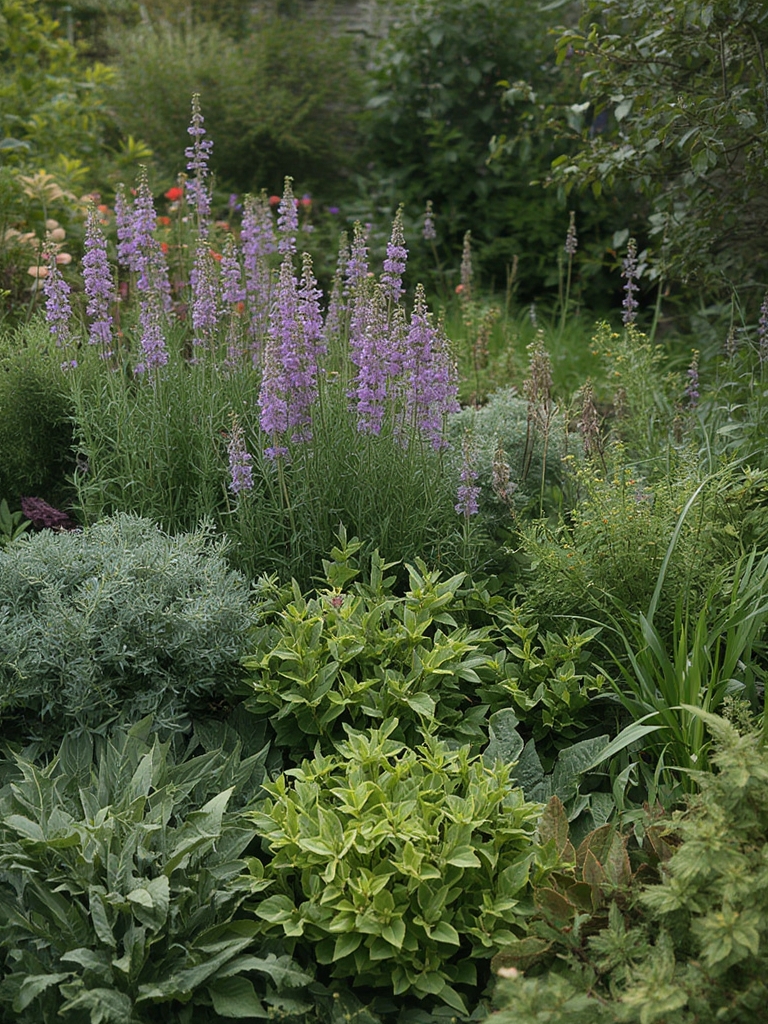
Use nature‑inspired palettes to make your garden Instagram‑ready. Here are three proven combos based on the National Park Service landscape color studies:
- Coastal Breeze: Soft sage green (thyme), sea‑foam lavender, and pale lemon basil. Mimics a breezy shoreline.
- Mountain Meadow: Deep rosemary (gray‑green), bright mint, and wildflower‑shade oregano. Evokes alpine flora.
- Sunset Garden: Golden oregano, ruby‑red sage (variegated), and orange marigold (as a border). Replicates a desert sunset.
Place taller herbs (rosemary, lavender) at the back, medium height (basil, oregano) in the middle, and low‑growers (mint, thyme) at the front. This tiered approach adds depth and ensures each plant gets adequate light.
4. Watering & Feeding Routine
- Frequency: Water deeply once a week in summer; reduce to bi‑weekly in cooler months.
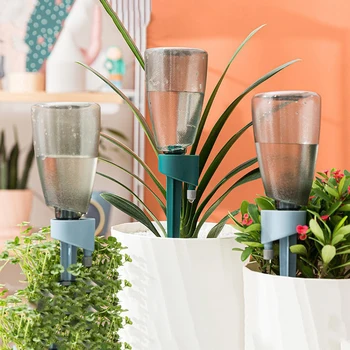
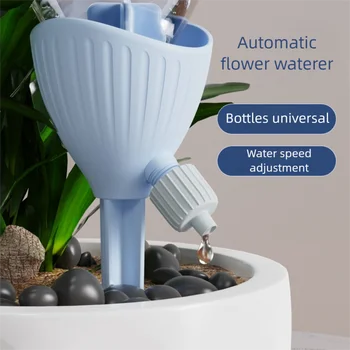
- Method: Use a drip‑irrigation system with a timer—studies show a 30 % water savings over hand‑watering.
- Fertilizer: Apply a balanced 10‑10‑10 organic fertilizer at planting and then every 6 weeks. Over‑fertilizing can mute aroma.
- Actionable tip: Set a recurring reminder in your phone calendar titled “Herb Garden Check” to stay consistent.
5. Pruning & Harvesting for Maximum Flavor
- Pinch‑back: Remove the top 2 inches of basil once it reaches 6 inches tall. This encourages bushier growth and delays bolting.
- Harvest timing: Cut rosemary just before the plant flowers for the most potent essential oils.
- Seasonal trim: In late fall, cut back mint and thyme to 2 inches above soil to protect against frost.
- Actionable tip: Keep a harvest log with dates, amounts, and culinary uses. This data can fuel future blog posts and SEO‑rich “how‑to” guides.
6. Pest Management the Natural Way
According to the University of California Integrated Pest Management program, companion planting reduces pest pressure by up to 60 %.
- Companion plants: Marigold deters aphids; nasturtium attracts beneficial insects.
- DIY spray: Mix 1 cup neem oil, 1 tsp mild liquid soap, and 1 gal water. Spray early morning, repeat every 7 days.
- Actionable tip: Photograph any pest outbreak and tag it in a shared Google Photos album. Over time you’ll spot patterns and pre‑empt problems.
SEO‑Friendly Content Ideas from Your Garden
Turn your garden data into evergreen blog assets:
- Monthly “Herb Harvest” series: Share exact yields, recipes, and photos. Google loves fresh, specific content.
- Before‑and‑after color palette posts: Show the transformation of a plain backyard into a “Coastal Breeze” oasis. Use alt‑text with keywords like “lavender herb garden design”.
- DIY tutorial videos: Short 60‑second reels on pruning techniques. Embed them with schema markup for rich results.
Quick‑Reference Checklist
- ☑️ Test soil pH and amend accordingly.
- ☑️ Choose herbs with matching water needs.
- ☑️ Pick a nature‑inspired color palette.
- ☑️ Install drip irrigation with timer.
- ☑️ Schedule weekly pinch‑backs and monthly harvest logs.
- ☑️ Add companion plants for pest control.
- ☑️ Capture data for SEO‑rich blog updates.
By following these data‑backed steps, you’ll cultivate a fragrant, visually stunning herb garden that not only enriches your kitchen but also fuels a steady stream of SEO‑optimized content. Happy planting, and may your garden bloom with both scent and traffic! 🌿🎨