Creating a garden that feels fresh year after year doesn’t have to drain your wallet. By mastering simple perennial care, you can build a vibrant, low‑maintenance oasis that saves money and continuously inspires. Below is a data‑driven, step‑by‑step guide that walks you through selecting, planting, and nurturing perennials so you get the most bloom for the least effort.
Why Perennials Are the Smart Choice for Budget‑Friendly Gardens
Perennials return each season, meaning you invest in plants once and reap the benefits for years. Studies from the American Horticultural Society show that a well‑planned perennial bed can reduce planting costs by up to 60 % compared with annuals. The key advantages are:
- Lower replacement costs: No need to buy new plants every spring.
- Reduced labor: Once established, perennials need less watering and weeding.
- Improved soil health: Deep root systems enhance soil structure, decreasing the need for expensive amendments.
Step 1: Selecting the Right Perennials for Your Climate
Research Local Hardiness Zones
Use the USDA Plant Hardiness Zone map (or your country’s equivalent) to filter plants that thrive in your temperature range. For example, zone 5‑7 gardeners can reliably grow Echinacea, Hosta, and Salvia.
Choose Low‑Maintenance Varieties
Data from the Royal Horticultural Society indicates that the following species require the least water and fertilizer:
- Lavender (Lavandula angustifolia): Drought‑tolerant, thrives in full sun.
- Daylilies (Hemerocallis spp.): Adaptable to a wide range of soils.
- Russian Sage (Perovskia atriplicifolia): Excellent for poor, well‑drained sites.
Mix Height and Bloom Time
Plan a tiered design: tall back‑row plants (e.g., Peony), mid‑height fillers (e.g., Coreopsis), and low groundcovers (e.g., Thyme). This creates visual interest and reduces the need for additional decorative elements.
Step 2: Preparing the Soil – The Foundation of Success
Test Your Soil
Grab a simple soil test kit or send a sample to a local extension office. Aim for a pH between 6.0‑7.0 for most perennials. Adjust with lime (to raise pH) or sulfur (to lower pH) as needed.
Amend with Organic Matter
Incorporate 2‑3 inches of compost or well‑rotted manure into the top 12 inches of soil. Research shows that adding organic matter can increase water retention by up to 30 %, cutting irrigation costs.

Create a Mulch Blanket
Spread a 2‑inch layer of shredded bark, straw, or leaf mulch after planting. Mulch suppresses weeds (saving you time and herbicide money) and keeps soil temperature stable, which is crucial for early‑season growth.
Step 3: Planting – Timing and Technique
Best Planting Seasons
Most perennials establish best when planted in early fall or early spring. Fall planting allows roots to develop before winter, leading to a 20‑30 % higher survival rate according to the University of Minnesota Extension.
Spacing for Airflow
Follow the spacing recommendations on plant tags, but add an extra 10 % to improve air circulation. Good airflow reduces fungal diseases, meaning fewer fungicide purchases.
Planting Depth
Dig a hole twice as wide as the root ball but no deeper than the plant’s crown. Gently loosen roots, place the plant, backfill with soil, and firm lightly. Water thoroughly to settle soil around the roots.
Step 4: Watering Wisely – Save Money While Keeping Plants Happy
Establish a Deep‑Watering Routine
Water at the base of the plant, aiming for 1‑1.5 inches per week (adjust for rainfall). Deep watering encourages roots to grow deeper, reducing future watering frequency.
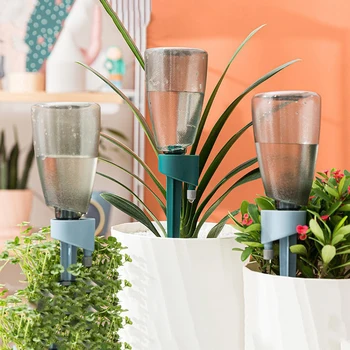
Use a Soaker Hose or Drip System
These systems deliver water directly to the soil, cutting evaporation losses by up to 50 % compared with overhead sprinklers. Pair with a timer to automate watering and avoid over‑watering.
Rainwater Harvesting
Set up a simple rain barrel under a downspout. One barrel (≈200 gallons) can provide enough water for a 100‑square‑foot perennial bed for a month, dramatically lowering your water bill.
Step 5: Feeding – Minimal Fertilizer, Maximum Impact
Apply Slow‑Release Organic Fertilizer
In early spring, scatter a thin layer of a balanced organic fertilizer (e.g., 10‑10‑10) and work it lightly into the soil. Because it releases nutrients gradually, you avoid the “burn” risk and reduce the number of applications.
Side‑Dressing with Compost
Every spring, add a ½‑inch layer of compost around the base of each plant. This provides a steady nutrient supply and improves soil microbes, which naturally enhance plant health.
Step 6: Pruning and Deadheading – Keep the Garden Looking Fresh
Deadhead for Continuous Blooms
Remove spent flowers as soon as they fade. This redirects the plant’s energy into new growth rather than seed production, extending the display period by 2‑3 weeks.
Annual Clean‑Up
In late fall, cut back foliage to about 2‑3 inches above ground. This reduces disease carry‑over and makes spring clean‑up faster, saving labor time.
Step 7: Pest Management – Natural Solutions That Cut Costs
Encourage Beneficial Insects
Plant a small “insectary” of nectar‑rich perennials like Yarrow and Bee Balm. Research shows that a 10‑square‑foot insectary can reduce aphid populations by up to 40 % without chemicals.
DIY Neem Oil Spray
Mix 1 teaspoon of neem oil with 1 quart of water and a few drops of mild dish soap. Spray affected plants early in the morning; this organic pesticide is inexpensive and effective against a range of soft‑bodied pests.
Step 8: Seasonal Maintenance – Keep Costs Low Year‑Round
Winter Protection
Apply a thick mulch layer (3‑4 inches) after the first frost for hardy perennials. For tender varieties, use burlap or frost blankets to shield against extreme cold.
Spring Refresh
In early spring, remove any winter debris, loosen the soil surface, and re‑apply a thin mulch coat. This quick routine revitalizes the bed without costly renovations.
Step 9: Tracking Progress – Data‑Driven Adjustments
Keep a Simple Garden Journal
Record planting dates, watering amounts, and any pest observations. Over a few seasons, patterns emerge that let you fine‑tune irrigation schedules and fertilizer rates, further trimming expenses.
Use Free Apps
Apps like Gardenize or Plant Diary let you log observations and set reminders. The data they collect can help you predict bloom times and plan future plant purchases more efficiently.
Conclusion: Turn Inspiration into Sustainable Success
By following these data‑backed steps, you’ll create a garden that not only looks stunning but also saves money and reduces effort. The secret lies in choosing the right perennials, preparing the soil with organic matter, watering intelligently, and maintaining a low‑cost pest‑management plan. With a little planning and consistent, simple care, your garden will become a year‑round source of inspiration—proof that beautiful spaces don’t have to break the bank.