Creating a thriving herbs & aromatic garden not only fills your kitchen with fresh flavors but also transforms your outdoor space into a fragrant sanctuary. By following data‑driven practices and simple, actionable steps, even beginners can enjoy a lush, low‑maintenance garden that dazzles day and night. Below is a step‑by‑step guide designed for WordPress bloggers who want to deliver clear, SEO‑friendly content that readers can implement right away.
1. Plan Your Aromatic Garden Layout
Assess Sunlight and Soil Conditions
- Sunlight: Most culinary herbs need 6–8 hours of direct sun. Use a sunlight calculator app or a simple shade‑mapping worksheet to record the sun exposure of each garden spot over a typical week.
- Soil pH: Herbs thrive in slightly alkaline soil (pH 6.5–7.5). Test your soil with a DIY kit and record the results in a spreadsheet; amend with lime if needed.
- Drainage: Conduct the “finger test” – push your finger 2 inches into the soil. If it feels soggy, add coarse sand or perlite to improve drainage.
Choose the Right Herbs
Base your selection on climate data and culinary preferences. Below is a quick reference:
| Herb | Sunlight | Water Needs | Best Uses |
|---|---|---|---|
| Basil | Full Sun | Medium | Pesto, salads |
| Rosemary | Full Sun | Low | Roasts, marinades |
| Mint | Partial Shade | High | Tea, cocktails |
| Lavender | Full Sun | Low | Dry bouquets, aromatherapy |
| Thyme | Full Sun | Low | Soups, stews |
2. Prepare the Soil and Planting Beds
Build a Nutrient‑Rich Bed
- Clear the area of weeds and debris.
- Loosen the top 12 inches of soil with a garden fork.
- Mix in 2–3 inches of compost and 1 inch of well‑rotted manure. Record the compost ratio in your garden log for future reference.
- For raised beds, fill with a 1:1:1 mix of topsoil, compost, and coarse sand to ensure optimal drainage.
Set Up Sustainable Lighting
Light up your garden evenings with sustainable lighting that feels magical ✨🌙. Follow these steps:
- Solar Path Lights: Place them 3–4 feet apart along walkways. Choose models with a 6‑hour dusk‑to‑dawn sensor for consistent illumination.
- LED Fairy Strings: Drape them around trellises or pergolas. Opt for warm‑white LEDs (2700 K) to enhance the aromatic ambiance without attracting pests.
- Motion‑Activated Spotlights: Install near herb beds to deter nocturnal critters. Set the timer to 30‑second intervals to conserve battery life.
3. Planting Your Herbs
Spacing and Depth Guidelines
Accurate spacing prevents overcrowding and improves air circulation, reducing disease risk. Use the following chart:
| Herb | Spacing (inches) | Planting Depth |
|---|---|---|
| Basil | 12–18 | Cover root ball, firm soil |
| Rosemary | 24–30 | Same depth as pot |
| Mint | 12–15 | Same depth as pot |
| Lavender | 24–30 | Same depth as pot |
| Thyme | 12–15 | Same depth as pot |
Planting Steps
- Dig a hole twice the width of the root ball.
- Place the herb gently, ensuring the crown sits just above soil level.
- Backfill with amended soil, pressing lightly to eliminate air pockets.
- Water thoroughly (use a watering can with a fine rose to avoid displacing soil).
- Apply a thin layer of mulch (e.g., straw or shredded bark) to retain moisture and suppress weeds.
4. Ongoing Care & Maintenance
Watering Schedule
Use a data‑driven approach: record weekly rainfall and adjust irrigation accordingly.
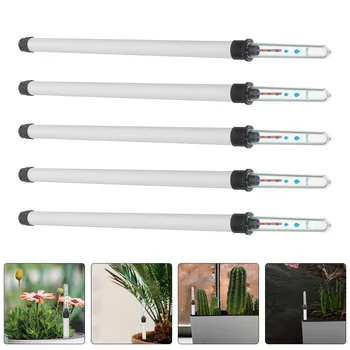
- Low‑water herbs (rosemary, lavender, thyme): Water once every 10–14 days, allowing soil to dry between sessions.
- Medium‑water herbs (basil, sage): Water 2–3 times per week, keeping soil consistently moist but not soggy.
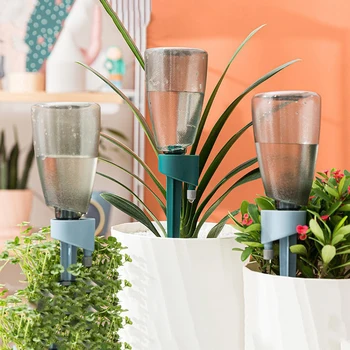
- High‑water herbs (mint, lemon balm): Keep soil evenly moist; consider a drip‑irrigation system with a flow meter for precision.
Pruning & Harvesting
- Early Harvest: Snip leaves just above a node once the plant reaches 6 inches. This encourages bushier growth.
- Regular Pruning: Remove 1/3 of the plant’s height every 4–6 weeks to prevent legginess.
- Seasonal Clean‑Up: In late fall, cut back woody stems (especially rosemary) to 2 inches above ground to protect against frost.
Pest Management
Adopt Integrated Pest Management (IPM) tactics:
- Beneficial insects: Plant marigolds or nasturtiums nearby to attract ladybugs and hoverflies.
- Homemade spray: Mix 1 cup neem oil, 1 tbsp liquid soap, and 1 gallon water. Apply early morning, once a week.
- Physical barriers: Use row covers for delicate herbs like basil during peak aphid season.
5. Enhancing the Aromatic Experience
Companion Planting for Fragrance
Pair herbs with complementary scents to create a multi‑sensory garden:
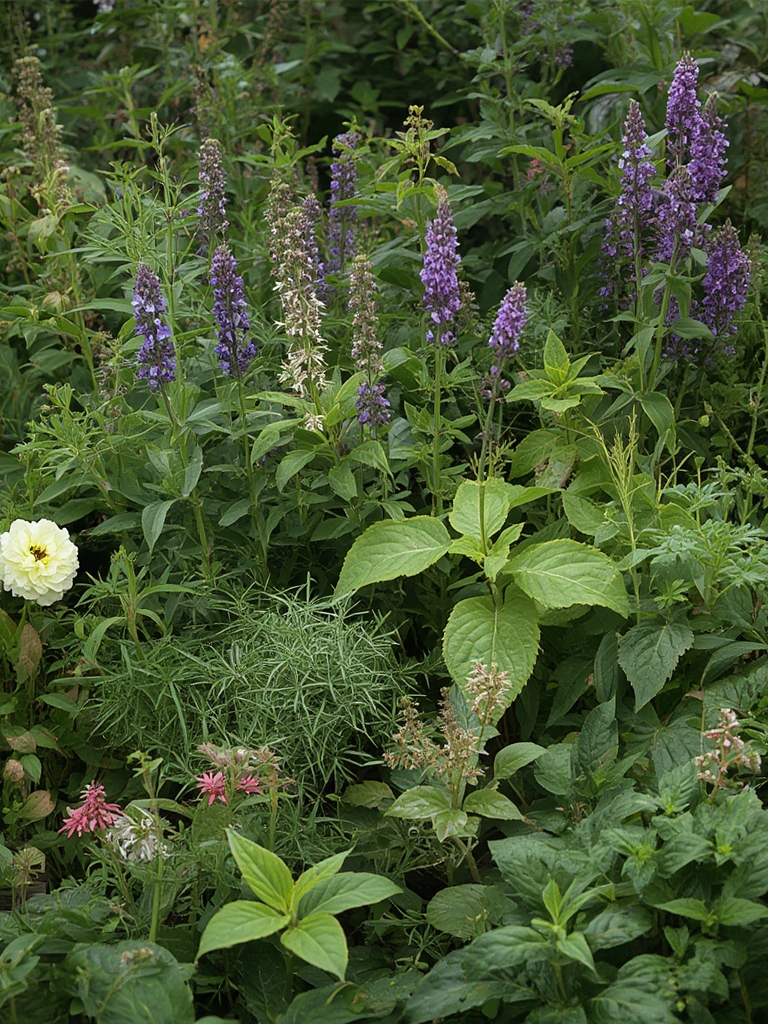
- Lavender + Rosemary: Both love full sun and well‑drained soil, and their combined aroma repels moths.
- Basil + Tomato: Basil improves tomato flavor and deters whiteflies.
- Mint + Watercress: Both thrive in moist conditions, creating a refreshing border near a water feature.
Seasonal Harvest Recipes
Provide readers with quick ideas to use their fresh herbs, boosting engagement and dwell time:
- Spring: Basil pesto with pine nuts.
- Summer: Lavender lemonade (1 tsp dried lavender per cup).
- Fall: Rosemary‑infused roasted potatoes.
- Winter: Mint tea with a splash of honey.
6. Monitoring Success with Simple Metrics
Key Performance Indicators (KPIs)
Track these metrics in a Google Sheet to gauge garden health and refine your approach:
- Growth Rate: Measure plant height bi‑weekly.
- Yield: Record weight of harvested leaves per plant.
- Water Usage: Log gallons per week; aim for a 10% reduction after implementing drip irrigation.
- Lighting Hours: Use a light meter app to ensure at least 2 hours of soft illumination after sunset for evening ambiance.
Adjust and Optimize
After each growing season, compare your KPI data against the previous year. Identify patterns—such as higher yields after mulching or reduced pest incidents with companion planting—and update your garden plan accordingly. This data‑driven loop not only improves your herb garden but also provides fresh content ideas for future blog posts.
By following these clear, actionable steps, you’ll cultivate a vibrant herbs & aromatic garden that delights the senses, supports sustainable living, and shines magically under eco‑friendly lighting. Happy gardening!