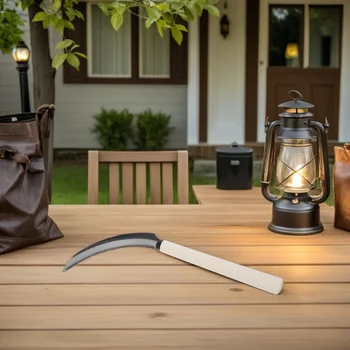
Welcome to your garden sanctuary! Whether you’re a seasoned green thumb or just starting out, this guide blends data‑driven insights with practical, chemical‑free techniques to transform any outdoor space into a thriving, sustainable oasis. By focusing on soil health, native plant selection, and smart watering, you’ll not only boost biodiversity but also enjoy a lush, low‑maintenance garden that looks great year after year.
Understanding Your Soil: The Foundation of Success
Before planting, conduct a simple soil test (available at most garden centers or online kits). The results will reveal pH levels, nutrient deficiencies, and organic matter content. Aim for a pH between 6.0 and 7.0 for most garden plants. If the test shows acidity, incorporate lime in small increments; if it’s too alkaline, add sulfur. Both amendments improve nutrient uptake without resorting to synthetic fertilizers.
Step 1: Boost Organic Matter
- Compost: Mix 2–3 inches of well‑rotted compost into the top 6–8 inches of soil. This increases moisture retention and supplies a slow‑release source of nutrients.
- Cover Crops: Plant legumes (e.g., clover or vetch) in empty beds during the off‑season. They fix nitrogen naturally and prevent erosion.
- Mulch: Apply a 2‑inch layer of shredded bark, straw, or leaf mold around plants. Mulch moderates temperature, suppresses weeds, and adds organic matter as it breaks down.
Selecting the Right Plants for Your Climate
Data from the USDA Plant Hardiness Zones can guide you in choosing species that thrive locally. Selecting native or well‑adapted plants reduces water demand and pest pressure, eliminating the need for chemical interventions.
Step 2: Build a Diverse Plant Palette
- Perennials: Choose low‑maintenance perennials like Echinacea, Salvia, and Coreopsis. They return each year, saving you time and money.
- Edibles: Incorporate herbs (basil, thyme, rosemary) and vegetables (lettuce, radishes) that grow quickly and can be harvested repeatedly.
- Pollinator Plants: Add nectar‑rich flowers such as lavender, bee balm, and coneflower to attract bees, butterflies, and beneficial insects that naturally control pests.
Water Management: Save Resources, Grow Healthier Plants
According to the EPA, outdoor water use accounts for nearly 30% of residential water consumption. Smart irrigation not only conserves water but also prevents root rot and fungal diseases.
Step 3: Implement Drip Irrigation
- Design: Lay drip lines along the base of each plant, delivering water directly to the root zone. This reduces evaporation by up to 50% compared to sprinklers.
- Timing: Water early in the morning (5–7 am) when temperatures are cooler and wind is minimal. This allows foliage to dry, lowering disease risk.
- Automation: Use a moisture sensor or timer to adjust watering based on real‑time soil moisture data, ensuring plants receive just enough water.
Maintaining a Chemical‑Free Lawn
A lush, green lawn doesn’t have to rely on synthetic herbicides or fertilizers. By following these sustainable practices, you’ll achieve a resilient turf that thrives on natural processes.
Step 4: Adopt the “No‑Mow” Method
- Height: Keep grass at 3–4 inches. Taller blades shade the soil, retain moisture, and outcompete weeds.
- Frequency: Mow only when the grass reaches the upper limit of the height range. Less frequent mowing reduces stress on the lawn and saves energy.
Step 5: Natural Fertilization
- Grass Clippings: Leave clippings on the lawn after mowing. They decompose quickly, returning nitrogen and micronutrients.
- Compost Top‑Dressing: Spread a thin layer (½ inch) of compost in the fall. It improves soil structure and provides a slow release of nutrients.
- DIY Liquid Feed: Brew a tea using composted leaves and water (steep for 24 hours, strain, and dilute 1:10). Apply once a month for a gentle nutrient boost.
Integrated Pest Management (IPM): Keep Pests in Check Without Chemicals
IPM combines monitoring, cultural practices, and biological controls to manage pests sustainably. The goal is to maintain pest populations below economic damage thresholds.
Step 6: Monitor and Identify
- Regular Scouting: Walk your garden weekly, looking for signs of damage, insects, or disease. Early detection prevents outbreaks.
- Use a Reference Guide: Keep a pocket guide or app handy to quickly identify common garden pests.
Step 7: Encourage Beneficial Insects
- Habitat: Install insect hotels, rock piles, or small water features to attract ladybugs, lacewings, and predatory beetles.
- Companion Planting: Plant garlic, marigold, or nasturtium near vulnerable crops; their scents deter aphids and other soft‑bodied pests.
Step 8: Mechanical Controls
- Hand‑Pick: For larger insects like beetles or caterpillars, a quick hand‑pick in the early morning can dramatically reduce numbers.
- Row Covers: Use lightweight fabric to physically block insects while still allowing light and water to reach the plants.
Seasonal Checklist: Keep Your Garden on Track Year‑Round
Following a simple calendar ensures you never miss a critical task. Below is a month‑by‑month snapshot tailored to temperate climates.

Spring (March‑May)
- Test soil and amend as needed.
- Apply a thin layer of compost to all beds.
- Plant early‑season vegetables and perennials.
- Set up drip irrigation and timers.
Summer (June‑August)
- Mulch heavily to retain moisture.
- Water early mornings; check moisture sensors weekly.
- Harvest herbs regularly to encourage new growth.
- Inspect for pests; employ IPM tactics.
Fall (September‑November)
- Plant cover crops and winter greens.
- Apply a final compost top‑dressing.
- Rake leaves into mulch for the next spring.
- Store garden tools, clean them, and perform maintenance.
Winter (December‑February)
- Protect tender perennials with burlap or frost cloth.
- Plan next year’s garden layout using data from this season’s yields.
- Read up on new sustainable techniques and seed catalogs.
By integrating these data‑backed, chemical‑free strategies, you’ll cultivate a garden that’s not only beautiful but also resilient, low‑maintenance, and environmentally friendly. Remember, the key to lasting success is consistency: test, amend, plant, water wisely, and monitor regularly. Happy gardening! 🌿✨