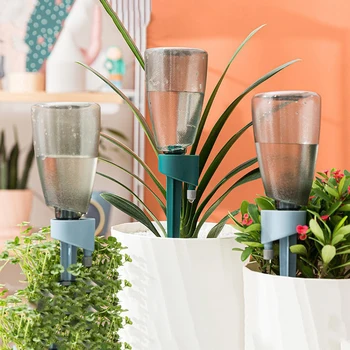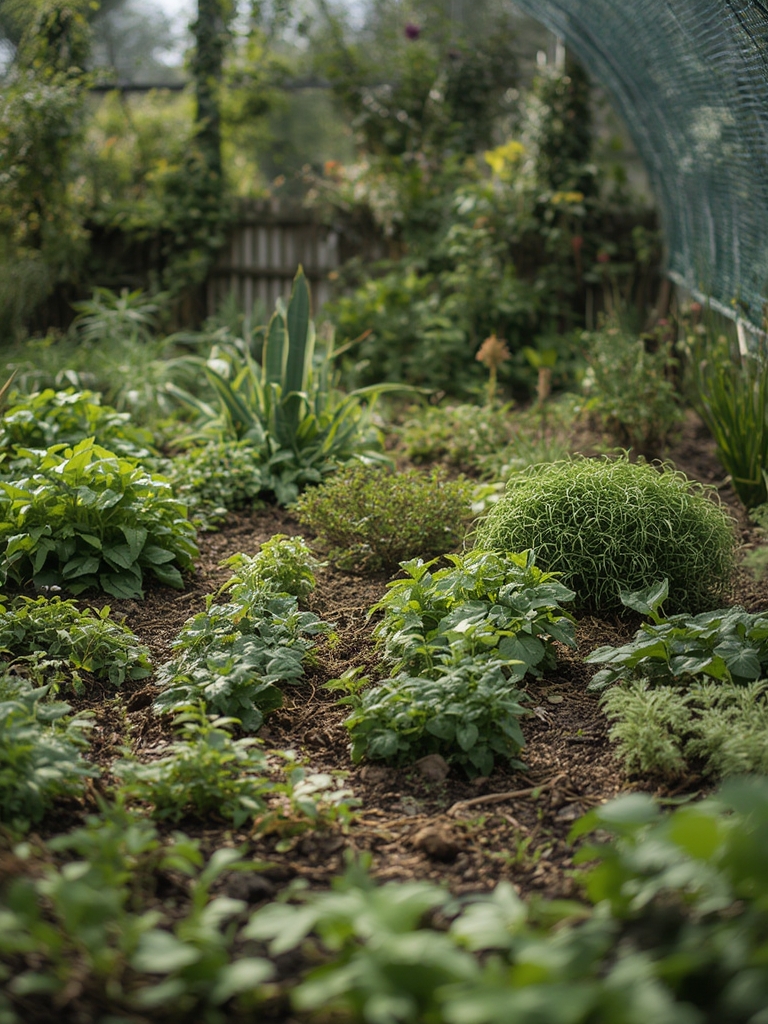

Creating a vibrant, green lawn doesn’t have to come at the expense of the planet. By adopting sustainable gardening practices, you can enjoy a lush yard while conserving water, enriching soil health, and reducing chemical runoff. Below is a data‑driven, step‑by‑step guide that blends proven science with practical, low‑maintenance techniques. Follow each section, and you’ll see measurable improvements in lawn density, drought resistance, and overall ecosystem health.
Why Sustainable Gardening Matters
According to the U.S. Environmental Protection Agency, residential lawns account for roughly 30% of outdoor water use in many regions. Traditional lawn care—heavy irrigation, synthetic fertilizers, and chemical herbicides—contributes to soil degradation and greenhouse‑gas emissions. In contrast, eco‑friendly methods can cut water consumption by up to 50% and improve soil organic matter by 10‑15% within a single growing season.

Step 1: Soil Preparation – Build a Living Foundation
Test and Amend Your Soil
- Soil test: Use a home kit or send a sample to a local extension service. Look for pH (ideal 6.0‑7.0) and nutrient levels (N‑P‑K).
- Organic amendment: Add compost at a rate of 2‑3 cm (¾‑1 in) across the lawn. Compost improves water retention by up to 20% and introduces beneficial microbes.
- pH adjustment: If pH is low, spread lime (50 g/m²). If high, incorporate elemental sulfur (30 g/m²). Re‑test after 4‑6 weeks.
Integrate Soil‑Living Organisms
Introduce mycorrhizal fungi (1 g per 10 m²) and beneficial nematodes to enhance root uptake of nutrients and water. Studies show a 15‑25% increase in drought tolerance when these organisms are present.
Step 2: Choose the Right Grass Species
Native or climate‑adapted grasses require less fertilizer and irrigation. Below are three top performers for different zones:
- Cool‑season: Festuca arundinacea (Tall Fescue) – deep root system, tolerates shade.
- Warm‑season: Zoysia japonica – low water demand, high heat tolerance.
- Drought‑tolerant: Bermuda grass – thrives in full sun, recovers quickly from wear.
Match the species to your USDA hardiness zone for optimal growth and reduced inputs.
Step 3: Planting Techniques – Maximize Germination Success
Seed vs. Sod
- Seed: Cost‑effective; use a seed‑to‑soil ratio of 1 kg per 100 m². Lightly rake to ensure good seed‑soil contact.
- Sod: Immediate coverage; ideal for high‑traffic areas. Lay pieces staggered like bricks, press firmly, and water thoroughly.
Watering Schedule for Establishment
During the first 2‑3 weeks, keep the top 2 cm of soil consistently moist. Use a smart irrigation controller set to 10‑minute cycles early morning (5‑7 am) to minimize evaporation. After establishment, transition to the “deep and infrequent” rule: 2‑3 inches of water per week, applied in 2‑3 sessions.
Step 4: Eco‑Friendly Maintenance Practices
Mowing for Health
- Set mower height to 7‑8 cm (3‑3.5 in). Taller grass shades the soil, reducing water loss by up to 30%.
- Mow when the blade is sharp and remove no more than ⅓ of the blade length to preserve leaf surface area.
- Leave clippings on the lawn (grasscycling) to return nitrogen—up to 0.5 lb N per 1,000 sq ft annually.
Fertilizing with Nature
Replace synthetic N‑PK blends with organic options:
- Compost tea: Dilute 1 L of brewed tea per 100 L of water; apply monthly.
- Seaweed extract: Provides micronutrients and growth hormones; use at 5 mL per 10 L of water.
- Slow‑release organic granules: Apply at 2 kg per 1,000 sq ft in early spring.
Research from the University of California shows organic fertilization can maintain turf quality while cutting nitrogen runoff by 40%.
Weed Management Without Chemicals
- Hand pulling: Best when soil is moist; remove the entire root.
- Mulch borders: Apply a 5‑cm (2‑in) layer of shredded bark around lawn edges to suppress weeds and retain moisture.
- Vinegar spot‑treatment: Use 20% acetic acid solution on isolated weeds; avoid contact with desirable grass.
Step 5: Water Conservation Strategies
Rainwater Harvesting
Install a 200‑liter (≈53‑gallon) rain barrel with a mesh screen. Capture runoff from roof eaves; use the stored water for irrigation during dry spells. A single barrel can supply a 100‑sq‑m lawn with 10 mm of water—enough for one deep watering session.
Soil Moisture Sensors
Place a sensor at 10 cm depth and connect it to a Bluetooth‑enabled controller. The system will only water when soil moisture falls below 15% volumetric water content, reducing over‑watering by up to 35%.
Step 6: Seasonal Care – Keep the Lawn Thriving Year‑Round
Spring Refresh
- Rake to remove thatch (>½ in thick).
- Apply a light top‑dressing of compost (5 mm) to boost microbial activity.
- Spot‑seed bare patches using a seed‑to‑soil mix of 1:4 (seed:compost).
Summer Heat Management
- Increase mowing height to 9‑10 cm (3.5‑4 in) to shade roots.
- Water deeply early morning; avoid evening watering to prevent fungal growth.
- Apply a light foliar spray of seaweed extract to reduce heat stress.
Fall Preparation
- Perform a final aeration (core holes 5‑6 cm deep) to improve drainage.
- Spread a thin layer of leaf mulch (2‑3 cm) to protect soil over winter.
- Apply a winterizer fertilizer with higher potassium (K) to enhance cold tolerance.
Measuring Success – Track Your Progress
Set up a simple monitoring log:
| Date | Water Used (L) | Grass Color (1‑5) | Weed Count | Notes |
|---|---|---|---|---|
| 2024‑04‑01 | 120 | 4 | 3 | Initial seeding complete |
| 2024‑06‑15 | 95 | 5 | 1 | Deep watering schedule active |
| 2024‑09‑10 | 80 | 4 | 2 | Fall aeration performed |
When water usage drops while the grass color remains high (≥4), you’ve achieved a truly sustainable lawn.
Quick Action Checklist
- Conduct a soil test and amend with compost.
- Choose a native or climate‑adapted grass species.
- Plant using seed or sod, then water deeply for 2‑3 weeks.
- Mow at 7‑8 cm, grasscycle clippings.
- Fertilize organically every 6‑8 weeks.
- Implement rainwater harvesting and moisture sensors.
- Seasonally aerate, dethatch, and top‑dress.
- Log water use and lawn health monthly.
By following these data‑backed steps, you’ll cultivate a resilient, emerald‑green lawn that thrives on natural resources, reduces environmental impact, and brings lasting satisfaction to your garden space. 🌱🌍