

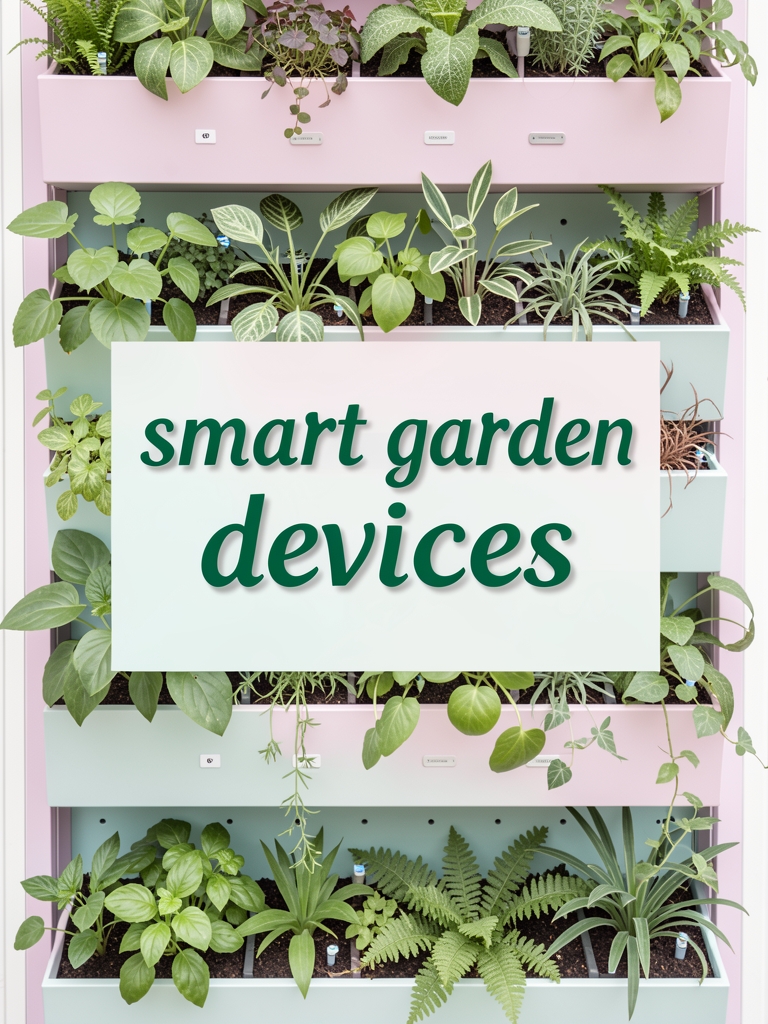
Welcome to the world of smart gardening! If you’re a beginner looking to grow fresh, tasty vegetables at home, you’ve come to the right place. By combining traditional gardening know‑how with modern technology, you can enjoy higher yields, less waste, and a healthier garden all year round. In this guide, we’ll walk you through the essential steps, tools, and tips you need to master How to Grow Vegetables with Smart Gardening. Let’s dig in and make your garden thrive.
Why Choose Smart Gardening?
Smart gardening isn’t just a buzzword—it’s a practical approach that uses sensors, automation, and data to create the ideal growing conditions for your vegetables. Here are three reasons why it’s perfect for beginners:
- Precision watering: Soil moisture sensors tell you exactly when and how much to water, preventing over‑ or under‑watering.
- Optimized lighting: Smart grow lights adjust intensity and spectrum based on the plant’s growth stage, ensuring strong, healthy foliage.
- Real‑time feedback: Mobile apps provide instant alerts about temperature, humidity, and nutrient levels, so you can act before problems arise.
Getting Started: Essential Smart Tools
1. Soil Moisture Sensors
These small probes plug into a controller or directly into your smartphone app. They measure the water content in the root zone and send alerts when the soil dries out. For beginners, a plug‑and‑play sensor kit with a clear visual indicator is ideal.
2. Automated Irrigation Systems
Connect your moisture sensor to a drip‑irrigation system or a smart sprinkler. When the sensor detects low moisture, the system automatically delivers the right amount of water. This saves time and reduces water waste.
3. Smart Grow Lights
If you’re growing indoors or extending the season, LED grow lights with adjustable spectra are a game‑changer. Look for models that let you set “seedling,” “vegetative,” and “flowering” modes, which automatically adjust light intensity and color.
4. Climate Controllers
Temperature and humidity affect vegetable growth more than you might think. A compact climate controller can regulate fans, heaters, and humidifiers to keep conditions within the optimal range for each crop.
5. Mobile Apps & Dashboards
Most smart gardening kits come with a companion app. These dashboards display data trends, send notifications, and sometimes even suggest adjustments based on historical performance.
Step‑by‑Step Guide to Grow Vegetables with Smart Gardening
Step 1: Choose the Right Vegetables
Start with easy‑to‑grow varieties such as lettuce, radishes, cherry tomatoes, and herbs. These crops have short growth cycles and tolerate a range of conditions, making them perfect for testing your smart setup.
Step 2: Prepare Your Growing Space
Whether you’re using raised beds, containers, or a vertical garden, ensure the soil is well‑draining. Mix in compost or a balanced organic fertilizer to give your vegetables a nutrient boost from day one.
Step 3: Install Sensors and Controllers
- Place soil moisture sensors at root depth (about 2‑3 inches for most vegetables).
- Connect the sensors to your irrigation controller or smart hub.
- Set up climate sensors (temperature and humidity) near the plants, not directly in the sun.
- Mount grow lights above the plants, ensuring even coverage.
Step 4: Calibrate Your System
Before planting, run a test cycle. Water the beds using the automated system and check that the moisture readings match the actual feel of the soil. Adjust the sensor thresholds in the app so that alerts trigger at the right moisture level (usually around 30‑40% for most vegetables).
Step 5: Plant Your Seeds or Seedlings
Follow the seed packet instructions for spacing and depth. For containers, use a high‑quality potting mix. After planting, water lightly to settle the soil and activate the sensor readings.
Step 6: Monitor and Adjust
Check the app daily for alerts. Common adjustments include:
- Increasing water: If the moisture sensor stays below the set threshold for several hours.
- Reducing light intensity: If leaves start to look bleached or curl.
- Ventilation tweaks: If humidity spikes above 80%, turn on fans to improve airflow.
Step 7: Harvest and Replant
Most leafy greens are ready to harvest in 30‑45 days. Use clean scissors to cut leaves, leaving the plant’s base intact for continuous growth. After harvesting, refresh the soil with a light feeding of compost and reset your sensor thresholds for the next crop.
Practical Tips for Success
- Start small: Begin with one or two smart zones to avoid feeling overwhelmed.
- Keep sensors clean: Soil can clog probes; rinse them gently with water every few weeks.
- Use mulch: A thin layer of straw or shredded leaves helps retain moisture and reduces sensor fluctuations.
- Rotate crops: Changing the vegetable family each season prevents soil‑borne diseases.
- Document your data: Take weekly screenshots of your app’s graphs. Over time you’ll spot patterns that improve yields.
Common Mistakes to Avoid
1. Over‑Reliance on Automation
While smart tools are powerful, they’re not infallible. Always physically inspect your plants for signs of stress, pests, or disease.
2. Ignoring Soil Health
Smart watering can’t compensate for poor soil. Regularly amend the soil with organic matter and test pH levels (most vegetables prefer 6.0‑6.8).
3. Setting Incorrect Sensor Thresholds
If the moisture threshold is too high, the system may overwater, leading to root rot. Start with conservative settings and adjust based on real‑world observations.
4. Neglecting Light Distance
Placing grow lights too close can scorch leaves, while too far reduces photosynthesis. Follow the manufacturer’s recommended distance (usually 12‑24 inches for most vegetables).
5. Forgetting to Calibrate Seasonal Changes
Temperature and humidity fluctuate with the seasons. Re‑calibrate your climate controller when moving from spring to summer or when transitioning to indoor growing.
Conclusion
Learning How to Grow Vegetables with Smart Gardening opens the door to a more efficient, rewarding, and enjoyable gardening experience. By starting with a few essential tools, setting up a reliable data‑driven system, and staying attentive to your plants’ needs, you’ll quickly see the benefits: healthier vegetables, less water waste, and a garden that thrives even if you’re busy or new to the hobby.
Remember, technology is there to support you, not replace the joy of getting your hands dirty. Combine the precision of smart sensors with the timeless wisdom of good gardening practices, and you’ll be on your way to a bountiful harvest season after season. Happy planting!