
Welcome to the wonderful world of garden design! If you’re just starting out, the idea of creating a modern garden can feel both exciting and a little overwhelming. Don’t worry—this guide breaks down everything you need to know, step by step. By the end, you’ll have a clear plan, practical tips, and the confidence to transform your outdoor space into a sleek, functional haven that reflects today’s design trends.
Understanding Modern Garden Design
What Makes a Garden “Modern”?
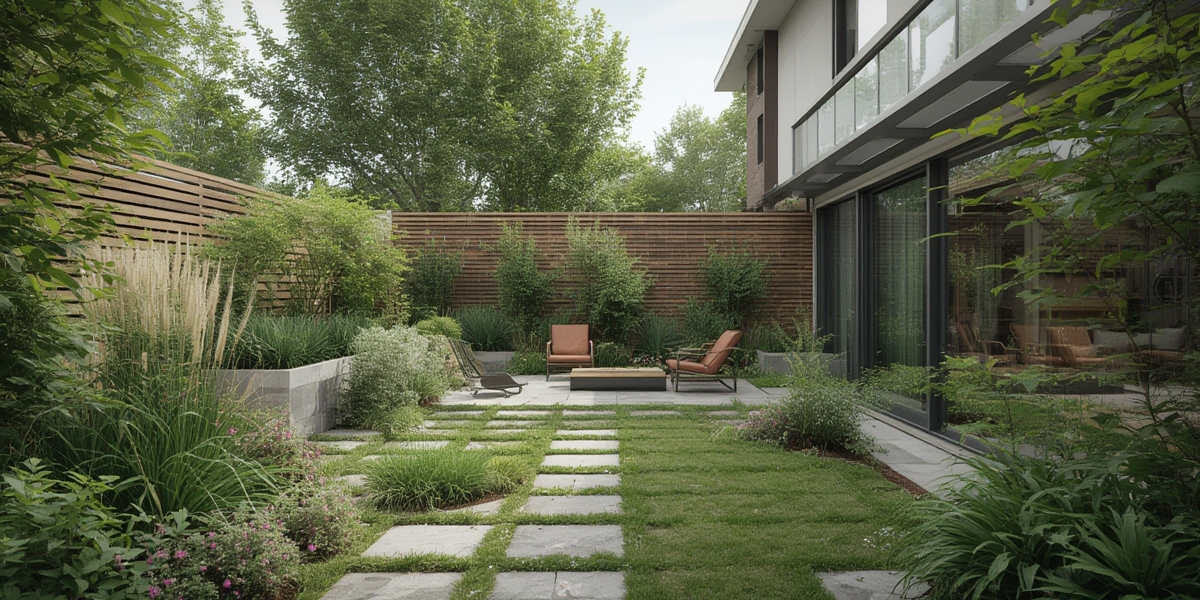
Modern garden design is all about clean lines, minimalism, and a harmonious blend of natural elements with contemporary materials. Think simple plant palettes, geometric shapes, and a focus on open space. The goal is to create a garden that feels both inviting and sophisticated, without the clutter of overly ornate details.
Key Principles to Keep in Mind
- Simplicity: Choose a limited color palette and stick to a few plant varieties.
- Functionality: Design spaces that serve a purpose—whether it’s a quiet reading nook, a place for entertaining, or a low‑maintenance lawn.
- Texture & Contrast: Mix materials like concrete, wood, and metal with plants that have varying leaf shapes and heights.
- Sustainability: Incorporate native plants, efficient irrigation, and eco‑friendly materials.
Planning Your Modern Garden
Assess Your Space
Start by measuring your garden’s dimensions and noting existing features such as trees, pathways, or structures. Sketch a rough layout on graph paper or use a free online garden planner. This visual aid will help you see how different elements fit together before you start digging.
Choose a Color Scheme
Modern gardens often rely on a restrained color palette. Popular choices include:
- Neutral tones: whites, grays, and soft greens.
- Bold accents: deep blues, vibrant reds, or sunny yellows for a pop of color.
Stick to two or three main colors to maintain a cohesive look.
Select Materials Wisely
Materials set the tone of your garden. Consider these modern staples:
- Concrete or pavers: Create sleek pathways or patio areas.
- Metal edging: Defines planting beds with a crisp line.
- Wood decking: Adds warmth while keeping a clean aesthetic.
Practical Modern Garden Design Tips for Beginners
1. Start with a Focal Point
Every successful garden has a visual anchor—a striking sculpture, a water feature, or a bold plant arrangement. Place your focal point where it naturally draws the eye, such as the end of a pathway or the center of a patio.
2. Use Geometric Planting Beds
Rectangles, squares, and circles create a sense of order. Lay out planting beds using string and stakes to ensure straight lines. Fill them with a mix of low‑maintenance grasses, ornamental grasses, and a few statement perennials.
3. Incorporate Vertical Elements
Vertical gardens, trellises, or tall grasses add height and interest without taking up floor space. A simple metal trellis with climbing vines like clematis or jasmine can soften hard edges while staying true to a modern vibe.
4. Choose Low‑Maintenance Plants
Beginners benefit from plants that thrive with minimal care. Consider these modern‑friendly options:
- Lavender: Drought‑tolerant, aromatic, and offers a pop of purple.
- Boxwood: Perfect for clean hedges and topiaries.
- Hostas: Provide texture and thrive in shade.
- Ornamental grasses: Add movement and a soft, flowing texture.
5. Install Efficient Irrigation
Drip irrigation or soaker hoses deliver water directly to the root zone, reducing waste and keeping your garden looking fresh. Pair this with a rain sensor to avoid over‑watering on rainy days.
6. Light It Up
Modern gardens shine after dark. Use low‑profile LED strip lights along pathways, uplighting for trees, and subtle spotlights on your focal point. Keep the lighting warm and soft to maintain a welcoming atmosphere.
Common Mistakes to Avoid
Overcrowding Plantings
It’s tempting to fill every inch with plants, but a modern garden thrives on open space. Give each plant room to breathe; this reduces competition for water and nutrients and preserves the clean aesthetic.
Ignoring Soil Health
Even the most stylish design will falter if the soil isn’t prepared. Test your soil’s pH and amend it with compost or organic matter as needed. Healthy soil leads to stronger plants and less maintenance.
Choosing the Wrong Scale
Large planters or oversized sculptures can overwhelm a small garden, while tiny elements can get lost in a larger space. Match the scale of your features to the size of your garden for balanced proportions.
Neglecting Seasonal Interest
A garden that looks great only in summer can feel dull for the rest of the year. Incorporate plants with varying bloom times, foliage colors, and textures to keep the garden engaging through all seasons.
Putting It All Together: A Sample Layout
Imagine a modest 30‑by‑40‑foot backyard. Here’s a quick walkthrough of a modern garden design using the tips above:
- Entry Path: A straight concrete slab with recessed LED lighting leads to a central patio.
- Patio Focal Point: A low, rectangular water feature bordered by smooth river stones.
- Planting Beds: Two rectangular beds on either side of the patio, edged with metal. One bed features a mix of lavender, ornamental grasses, and boxwood hedges; the other showcases hostas and a small dwarf Japanese maple.
- Vertical Element: A metal trellis at the far end of the patio supports climbing clematis, adding height without crowding the ground.
- Irrigation: A drip line runs through each bed, connected to a rain‑sensor timer.
- Lighting: Soft uplights highlight the water feature, while low‑profile strip lights line the pathway.
This layout demonstrates how clean lines, purposeful plant choices, and thoughtful lighting can create a modern garden that feels both functional and stylish.
Conclusion
Modern Garden Design Tips for Beginners are all about blending simplicity with purposeful details. By starting with a clear plan, choosing a restrained color palette, and selecting low‑maintenance plants, you’ll set a solid foundation for a garden that looks polished and feels inviting. Remember to keep spaces open, maintain soil health, and consider seasonal interest to ensure your garden thrives year after year. With these practical steps and a few common pitfalls to watch out for, you’re ready to roll up your sleeves and start creating a modern garden that reflects your personal style while staying easy to care for. Happy gardening!