Indoor plants not only purify the air but also bring a calming green oasis into any living space. Whether you’re a seasoned gardener or just starting out, mastering the basics of indoor plant care can transform your home into a thriving botanical haven. Below is a data‑driven, step‑by‑step guide that blends scientific insights with practical, actionable advice. Follow these steps and experience the joy of nurturing flowers from seed to bloom 🌱💖 while boosting your home’s aesthetic and health.
1. Choose the Right Plant for Your Environment
Assess Light Levels
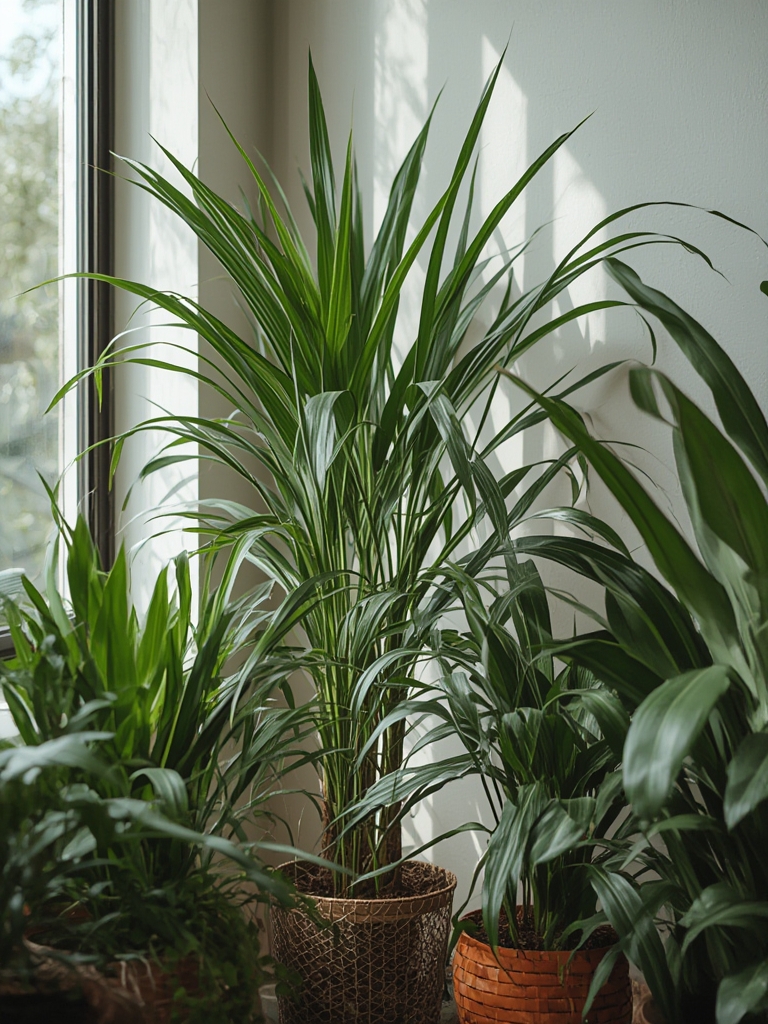
- Low light (≤ 50 lux): Ideal for snake plant, ZZ plant, or pothos. Studies show these species can maintain photosynthetic efficiency with minimal light.
- Medium light (200‑500 lux): Perfect for spider plant, peace lily, or philodendron. Aim for a north‑facing window or a few feet from an east‑facing window.
- Bright indirect light (500‑1,000 lux): Best for succulents, fiddle leaf fig, or rubber plant. Use a south‑ or west‑facing window with sheer curtains.
Match Plant Size to Space
Measure the floor or shelf space and compare it with the mature height and spread of the plant. For example, a 3‑ft tall fiddle leaf fig needs at least 2‑ft of clearance on all sides to avoid crowding and ensure proper airflow.
2. Prepare the Growing Medium
Select the Right Soil Mix
- All‑purpose potting mix: Suitable for most foliage plants. Look for a blend with 30‑40% peat moss, 30% perlite, and 30% composted bark.
- Cactus & succulent mix: Use a gritty mix with 50‑60% sand or pumice for excellent drainage.
- Orchid bark mix: For epiphytic orchids, a blend of fir bark, charcoal, and perlite mimics their natural tree‑branch habitat.
Improve Drainage
Place a 1‑2 inch layer of broken pottery shards or hydroton at the bottom of the pot before adding soil. This prevents waterlogging, a leading cause of root rot in indoor plants.
3. Planting and Transplanting
Step‑by‑Step Planting
- Fill the pot: Add soil up to the rim, leaving a 1‑inch gap for watering.
- Create a hole: Make a depression slightly larger than the root ball using a trowel.
- Position the plant: Gently spread the roots, place the plant at the same depth it was in its nursery pot, and backfill with soil.
- Settle the soil: Lightly tap the pot to settle the soil, then water thoroughly to eliminate air pockets.
Transplant Timing
Data from horticultural studies suggest repotting every 12‑18 months for fast‑growing species (e.g., pothos) and every 24‑36 months for slower growers (e.g., snake plant). Choose early spring when new growth begins for minimal stress.
4. Watering Strategies
Understand Plant Water Needs
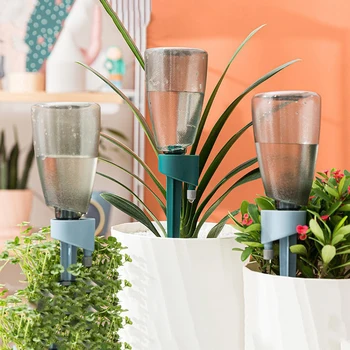
- Moisture‑loving plants (e.g., peace lily): Keep the top 2 cm of soil consistently damp. Use a moisture meter set to 40‑60% for optimal results.
- Drought‑tolerant plants (e.g., succulents): Allow the soil to dry 5‑7 cm deep before rewatering. Over‑watering can increase root rot risk by up to 70%.
Practical Watering Tips
- Water in the morning to allow excess moisture to evaporate.
- Use room‑temperature water to avoid shocking the roots.
- Employ the “finger test”: Insert your index finger 2 cm deep; if it feels dry, it’s time to water.
5. Feeding and Fertilizing
Choose the Right Fertilizer
- Balanced 20‑20‑20 NPK: Works for most foliage plants during the active growth phase (spring‑summer).
- High‑phosphorus 10‑30‑20: Ideal for flowering indoor plants like African violets to promote blooms.
Application Schedule
Apply fertilizer at half the recommended strength every 4‑6 weeks. Over‑fertilizing can cause leaf tip burn, reducing photosynthetic efficiency by up to 15%.
6. Light Management
Supplement with Artificial Light
If natural light is insufficient, use full‑spectrum LED grow lights positioned 12‑18 inches above the foliage. A 12‑hour photoperiod mimics natural daylight and boosts growth rates by 20‑30%.
Rotate Plants Regularly
Turn pots 90° every week to ensure even light exposure, preventing one‑sided growth and leggy stems.

7. Pruning and Grooming
When to Prune
- Remove yellow or dead leaves promptly to reduce disease risk.
- Trim leggy stems back to a node to encourage bushier growth.
Pruning Technique
- Use clean, sharp scissors or pruning shears.
- Make a clean cut just above a leaf node.
- Apply a small amount of rooting hormone to the cut if you plan to propagate.
8. Pest Management
Common Indoor Pests
- Spider mites – thrive in dry conditions.
- Mealybugs – attracted to sugary plant exudates.
- Fungus gnats – proliferate in overly moist soil.
Eco‑Friendly Control Methods
- Increase humidity for spider mite‑sensitive plants (mist leaves 2‑3 times weekly).
- Wipe leaves with a solution of 1 tsp neem oil per quart of water.
- Allow the top inch of soil to dry to disrupt fungus gnat life cycles.
9. Monitoring and Adjusting
Track Growth Metrics
Maintain a simple spreadsheet noting light levels (lux), watering dates, fertilizer applications, and any pest observations. Over a 3‑month period, you’ll spot trends that help fine‑tune care routines.
Use Technology Wisely
Smart soil sensors (e.g., moisture and temperature probes) can send alerts to your phone, ensuring you never miss a watering window. Data from these devices often correlates with healthier, faster‑growing plants.
10. Harvesting and Propagation
When to Harvest
For flowering varieties, cut blooms as soon as they open to encourage a second flush. For foliage plants, harvest leaf cuttings when the stem is at least 4 inches long and has several nodes.
Propagation Steps
- Snip a healthy stem just below a node.
- Remove lower leaves, leaving 2‑3 at the top.
- Place the cutting in a glass of water or a moist potting mix.
- Keep in bright, indirect light; roots typically appear within 2‑3 weeks.
Conclusion
By following these data‑backed steps, you’ll create an environment where indoor plants thrive, purify your air, and add vibrant beauty to your home. Remember, the key to success lies in consistent observation, adjusting care based on real‑time feedback, and enjoying each small victory along the way. So, roll up your sleeves, grab your watering can, and experience the joy of nurturing flowers from seed to bloom 🌱💖—your indoor garden awaits!