
Welcome to the wonderful world of garden design! If you’ve ever dreamed of stepping into a sleek, stylish outdoor space that feels both fresh and inviting, you’re in the right place. In this guide we’ll walk you through how to plan a modern garden that looks amazing, breaking down each step into simple, actionable tasks. Whether you have a tiny balcony or a spacious backyard, these tips will help you create a contemporary oasis that reflects your personal style and thrives year after year.
Start with a Vision: Defining Your Modern Garden Style
Identify the vibe you love
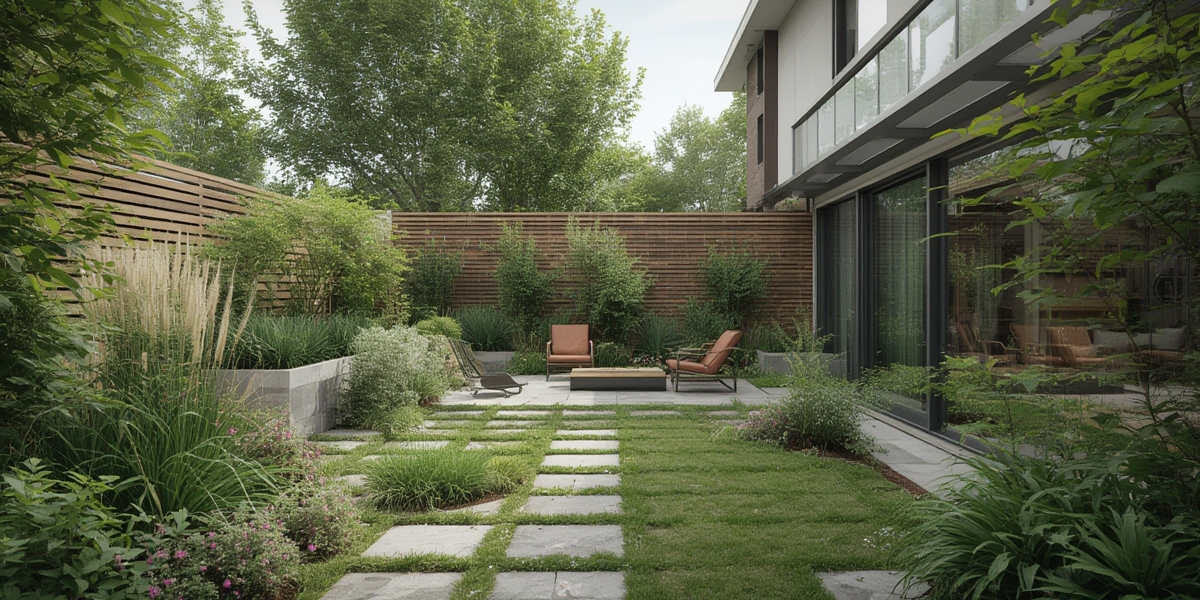
Modern gardens often feature clean lines, minimal clutter, and a harmonious blend of natural elements with sleek design. Think about whether you’re drawn to a monochrome palette, bold geometric shapes, or a mix of natural textures like stone, wood, and metal. Pull inspiration from magazines, Instagram, or a quick stroll through a local park. Sketch a few ideas or create a digital mood board to capture the look you want.
Consider the function of each area
Ask yourself how you’ll use the space. Do you need a cozy seating nook for morning coffee? A low‑maintenance lawn for kids to play? A pathway that guides visitors through the garden? Defining the purpose of each zone early on will shape the layout and help you choose the right plants and materials.
Assess Your Space and Soil
Measure and map your garden
Grab a tape measure, graph paper, or a simple drawing app. Sketch the perimeter, noting any existing features such as trees, walls, or fences. Mark the sun exposure for each section—full sun, partial shade, or full shade—by observing the area at different times of day. This map becomes the blueprint for placing plants, pathways, and hardscape elements.
Test the soil
Modern gardens often rely on healthy soil to reduce the need for constant watering and fertilizing. Use a basic soil test kit (available at garden centers) to check pH and nutrient levels. If the soil is heavy clay or overly sandy, amend it with compost, peat moss, or well‑rotted manure to improve texture and drainage.
Choose the Right Plants for a Modern Look
Opt for architectural plants
Plants with striking forms—such as ornamental grasses, sculptural succulents, or columnar evergreens—add structure and visual interest. Examples include:
- Agave americana – bold, fleshy leaves that create a dramatic focal point.
- Japanese maple (Acer palmatum) – a compact tree with delicate, layered foliage.
- Feather reed grass (Calamagrostis x acutiflora ‘Karl Foerster’) – upright, feathery plumes that sway in the breeze.
Incorporate a limited color palette
Modern design thrives on restraint. Choose two or three complementary colors and repeat them throughout the garden. For a soothing palette, pair silvery foliage (like Lavender cotton) with soft white blooms (such as Gardenia) and a pop of deep purple (like Salvia). This cohesive approach makes the space feel intentional and polished.
Plan for year‑round interest
Mix evergreen foliage with seasonal flowers to ensure the garden looks amazing in every season. Evergreen shrubs provide structure in winter, while perennials like Echinacea or Lavandula burst into color during summer. Adding a container of autumn foliage (e.g., Japanese maple leaves) can extend visual appeal into the fall.
Design Hardscape Elements That Complement the Plantings
Use clean, geometric pathways
Straight lines, rectangular pavers, or large concrete slabs create a modern aesthetic. Lay the pavers with minimal grout lines for a seamless look, and consider using a subtle contrast—such as light gray stone against a dark mulch bed—to define the walkways without overwhelming the plants.
Integrate functional furniture
Choose sleek, weather‑resistant pieces that double as décor. A low‑profile metal bench, a minimalist teak table, or a set of stackable chairs can provide seating without cluttering the space. Keep the furniture in a neutral tone to let the surrounding plants shine.
Add subtle lighting
Strategic lighting extends the garden’s usability after dark and highlights key features. Install low‑profile LED strip lights along pathways, spotlights to accent a sculptural plant, or solar lanterns near seating areas. Warm white light creates an inviting ambience while preserving the modern vibe.
Practical Tips for Successful Implementation
Start small and expand
If you’re new to gardening, begin with a single focal area—perhaps a modern planting bed or a small patio. As you gain confidence, gradually add more elements. This approach prevents overwhelm and allows you to fine‑tune the design based on what works best in your climate.
Group plants by water needs
Place drought‑tolerant species together and water‑loving plants in a separate zone. This “hydrozoning” reduces water waste and makes irrigation easier. Drip irrigation or soaker hoses are ideal for modern gardens because they deliver water directly to the root zone, keeping the design tidy.
Use mulch to finish the look
A uniform layer of mulch (gravel, bark, or rubber) not only suppresses weeds but also gives the garden a polished appearance. Choose a color that complements your hardscape—dark gray or black mulch works well with light stone, while natural wood chips add warmth to metal elements.
Common Mistakes to Avoid
Over‑planting
It’s tempting to fill every empty space with foliage, but a modern garden thrives on negative space. Too many plants can create a chaotic look and make maintenance harder. Stick to a curated selection and let each plant breathe.
Ignoring scale
Placing a massive shrub next to a tiny container can throw off the balance. Always consider the size of each element relative to the overall garden. Use the “rule of thirds”—divide the space into three sections and distribute larger focal points evenly.
Choosing the wrong soil or drainage
Even the most beautiful design will suffer if water pools around plant roots. Ensure proper grading away from structures and install a simple French drain or gravel base under planting beds if the soil is prone to retaining water.
Neglecting maintenance plans
Modern gardens look sleek when they’re well‑kept. Schedule regular pruning, deadheading, and cleaning of hardscape surfaces. Set reminders for seasonal tasks like fertilizing or re‑mulching to keep the garden looking fresh year after year.
Putting It All Together: A Step‑by‑Step Checklist
- Define your style: Choose a color palette, plant types, and hardscape materials that reflect a modern aesthetic.
- Map the space: Measure, note sun exposure, and sketch a layout.
- Test and amend soil: Conduct a soil test and add organic matter as needed.
- Select plants: Pick architectural, low‑maintenance species that fit your climate.
- Design hardscape: Lay geometric pathways, install minimalist furniture, and plan lighting.
- Group by water needs: Create hydrozones for efficient irrigation.
- Apply mulch: Finish beds with a uniform layer for a clean look.
- Plant and install: Follow your layout, ensuring proper spacing and depth.
- Maintain: Set a seasonal care schedule to keep the garden thriving.
Conclusion
Creating a garden that feels both contemporary and welcoming doesn’t have to be daunting. By following these data‑driven steps—defining a clear vision, assessing your space, choosing the right plants, and integrating sleek hardscape elements—you’ll master how to plan a modern garden that looks amazing while enjoying a low‑maintenance oasis that grows with you. Remember, the key is simplicity, thoughtful placement, and a little patience. Happy gardening, and may your new modern garden become your favorite place to relax, entertain, and connect with nature!