Creating a garden that feels both inspiring and functional doesn’t have to be a daunting task. By blending data‑driven planting decisions with clever landscaping tricks, you can transform any backyard into a thriving oasis that looks great year‑round. Below, we break down the process into clear, actionable steps—from soil preparation to seasonal care—while sprinkling in innovative design ideas that keep your garden fresh and inviting.
Step 1: Choose the Right Plant Based on Climate and Soil Data
Before you even break ground, gather a few key data points:
- Hardiness zone: Use the USDA Plant Hardiness Map to confirm which plants survive your winter lows.
- Soil pH and texture: A simple home test kit can tell you whether your soil is acidic, neutral, or alkaline, and whether it’s sandy, loamy, or clayey.
- Sun exposure: Track sunlight patterns for at least a week; note full sun (6+ hrs), partial shade (3‑6 hrs), or full shade (<3 hrs).
For a universally adaptable option, consider Lavandula angustifolia (English lavender). It thrives in USDA zones 5‑9, prefers slightly alkaline, well‑draining soil, and loves full sun—making it perfect for most backyard settings.
Quick tip:
Map your garden’s micro‑climates on graph paper. Mark zones of sun, shade, and wind. This visual guide helps you place lavender where it gets at least 6 hours of direct sunlight and good airflow.
Step 2: Prepare the Soil for Optimal Growth
Healthy soil is the foundation of any successful garden. Follow these data‑backed steps:
- Test and amend: If pH is below 6.5, add garden lime (1 lb per 100 sq ft). For overly acidic soil, incorporate wood ash.
- Improve drainage: Mix in 2‑3 inches of coarse sand or fine gravel to reduce waterlogging, especially for lavender’s shallow roots.
- Enrich with organic matter: Add 2‑3 inches of well‑composted manure or leaf mold to boost microbial activity.
After amending, till the top 12‑15 inches of soil to create a loose, crumbly texture that encourages root penetration.
Pro tip:
Use a soil moisture meter during the first two weeks after planting. Aim for a reading of 40‑60 %—the sweet spot for lavender’s water needs.
Step 3: Planting Technique and Spacing
Correct spacing prevents competition and promotes air circulation, reducing disease risk.
- Spacing: Plant lavender 18‑24 inches apart in rows 30‑36 inches apart.
- Depth: Dig a hole twice as wide as the root ball but no deeper than the pot’s rim. Gently loosen the roots before setting the plant.
- Backfill: Mix a handful of coarse sand into the backfill to maintain drainage.
Water thoroughly after planting to settle the soil around the roots.
Actionable advice:
Mark each planting spot with a small wooden stake labeled with the planting date. This simple record‑keeping helps you track growth and schedule future care.
Step 4: Watering, Mulching, and Early Care
Lavender is drought‑tolerant, but young plants need consistent moisture until established.
- Water schedule: Keep the soil evenly moist for the first 2‑3 weeks. Then reduce to deep watering once a week, allowing the top inch of soil to dry out between sessions.
- Mulch: Apply a 2‑inch layer of inorganic mulch (gravel or crushed stone). This reflects heat, improves drainage, and discourages weeds.
- Fertilization: Avoid nitrogen‑rich fertilizers; instead, use a low‑phosphorus, balanced 10‑10‑10 formula once in early spring.
Mini‑hack:
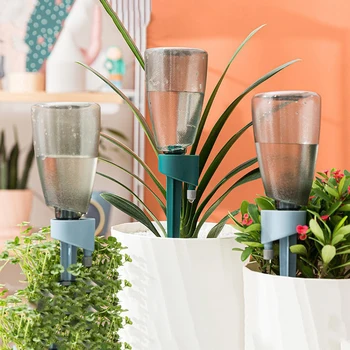
Place a drip‑irrigation line beneath the mulch. It delivers water directly to the root zone while keeping foliage dry—an essential factor for preventing fungal issues.
Step 5: Seasonal Maintenance and Pruning
Regular upkeep keeps your garden looking polished and ensures plant vigor.
- Spring: Trim back 20‑30 % of the previous year’s growth after the last frost. This encourages new shoots and a compact shape.
- Summer: Pinch off spent flower spikes to prolong blooming and improve air flow.
- Fall: Lightly cut back foliage to about 2‑3 inches above ground. This protects the plant from winter cold.
Throughout the year, inspect for pests such as aphids or spider mites. A quick spray of neem oil or a strong jet of water usually resolves minor infestations.
Data‑driven tip:
Track bloom dates in a simple spreadsheet. Over several seasons, you’ll see patterns that help you fine‑tune pruning times for maximum floral display.
Innovative Landscaping Ideas to Elevate Your Backyard Oasis
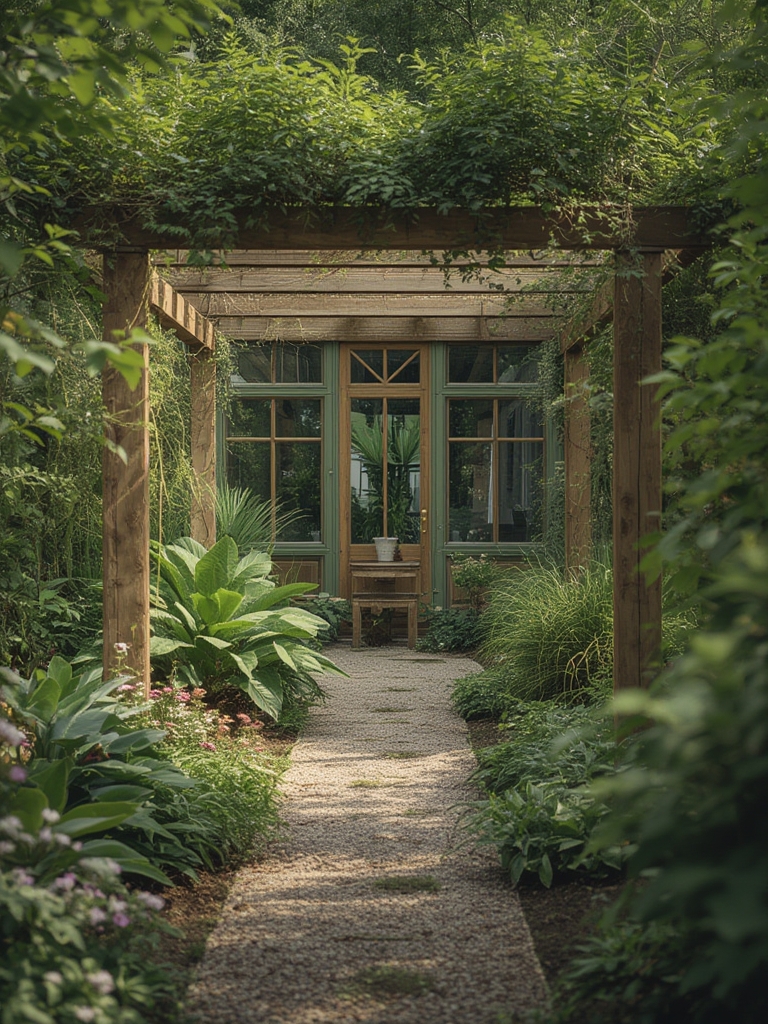
Now that your lavender is thriving, integrate it into a larger design that feels both modern and serene.
1. Create a “Scent Zone”
Group lavender with other aromatic herbs—rosemary, thyme, and sage. Plant them in a low‑maintenance, raised bed. The combined fragrance becomes a natural perfume that wafts through the garden, especially on breezy evenings.
2. Use Light‑Reflecting Pathways
Lay down permeable pavers with embedded glass beads. The reflective surface amplifies sunlight, making the space feel brighter and highlighting the purple hues of lavender.
3. Install a Vertical Herb Wall
Mount a wooden pallet or metal grid against a sunny fence. Secure small lavender cuttings in pocket planters. This vertical garden saves space, adds texture, and creates a living backdrop for outdoor seating.
4. Add Water Features with Minimal Maintenance
Consider a shallow, recirculating fountain made of natural stone. The gentle sound of water pairs beautifully with the soft scent of lavender, enhancing relaxation while deterring mosquitoes.
5. Night‑time Lighting
Install low‑voltage LED uplights at the base of lavender rows. Warm amber light accentuates the plant’s silvery foliage and creates a cozy ambience for evening gatherings.
Step 6: Harvesting and Using Lavender
Enjoy the fruits of your labor by harvesting lavender at peak bloom—when most buds have opened but before they start to fade.
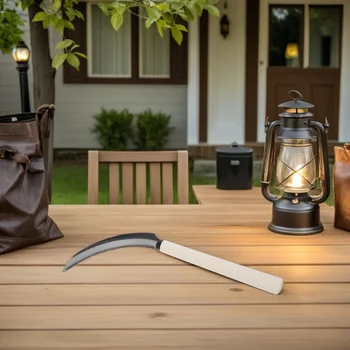
- Cutting: Use clean, sharp shears to snip stems 2‑3 inches above the woody base.
- Drying: Hang bundles upside‑down in a dark, well‑ventilated area for 7‑10 days.
- Storage: Once fully dried, store the buds in airtight glass jars away from direct sunlight.
Fresh lavender can be used in homemade sachets, culinary dishes, or infused oils—adding both scent and a touch of garden elegance to your home.
Quick win:
Place a small dried lavender bundle in your garden’s entryway. It welcomes guests with a subtle fragrance and reinforces the garden’s cohesive theme.
By following these data‑backed steps and incorporating the design ideas above, you’ll not only grow a healthy lavender plant but also craft a backyard garden oasis that’s visually stunning, aromatic, and low‑maintenance. Happy gardening!