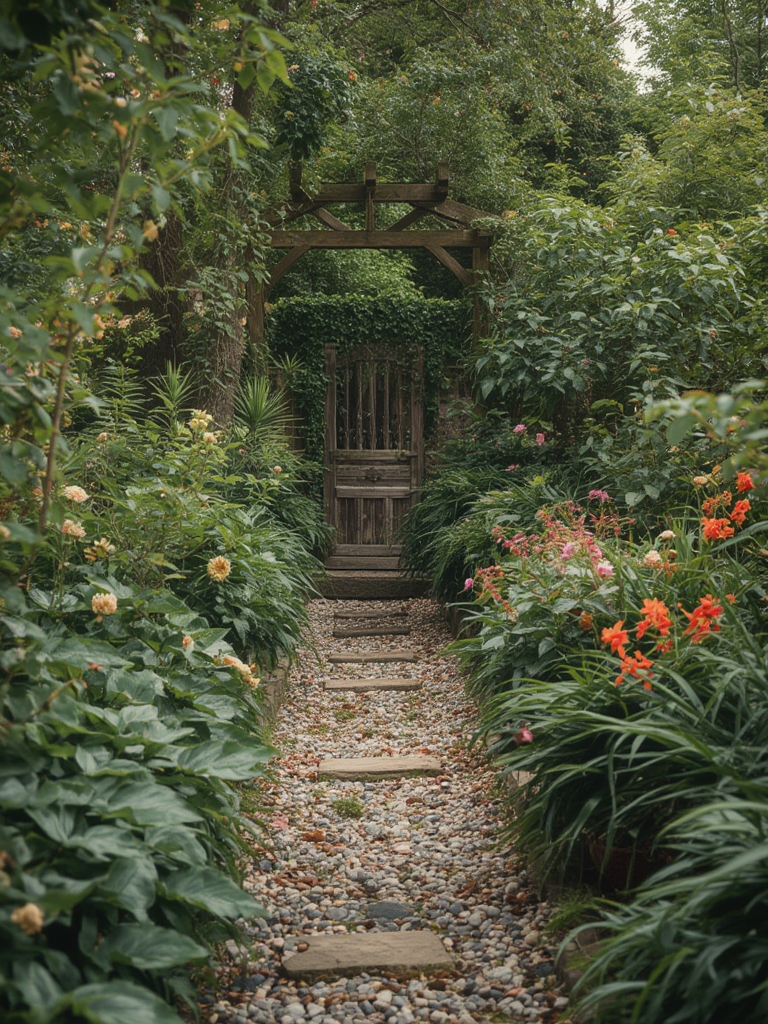
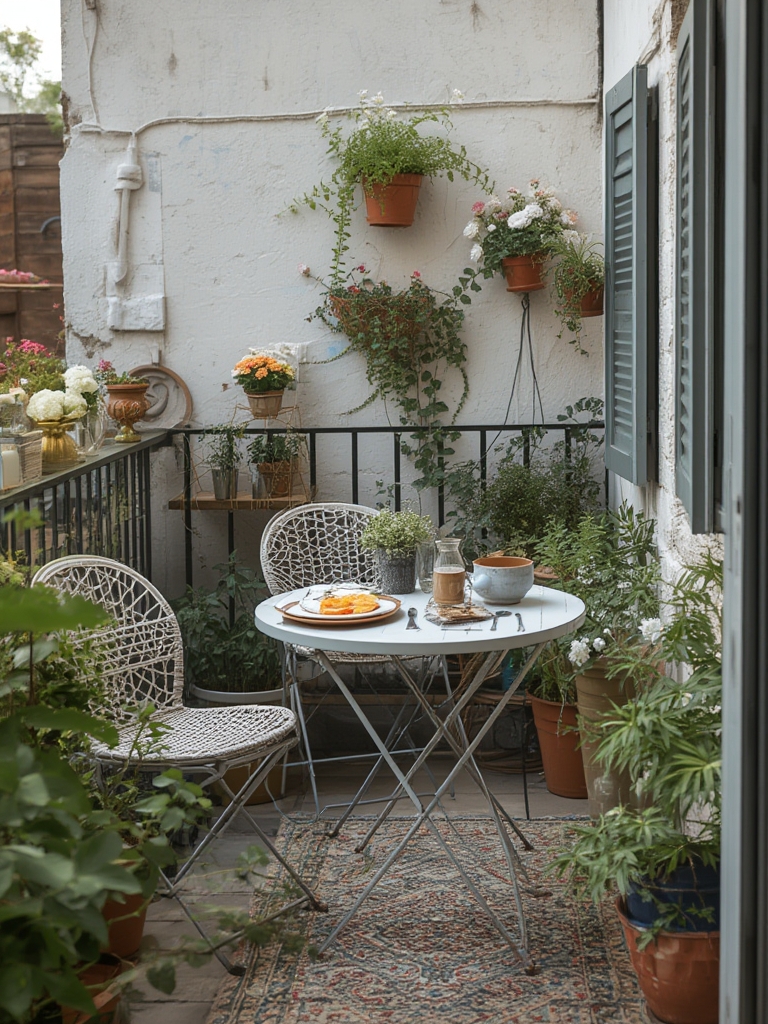
Creating a garden that looks vibrant all year while requiring minimal upkeep is a dream for many busy homeowners. By focusing on hardy perennials that thrive in a range of conditions, you can design a low‑effort oasis that delivers color, texture, and fragrance from spring through winter. Below, we break down the planning, planting, and maintenance steps that turn garden inspiration into a thriving, data‑driven landscape.
1. Choose the Right Perennials for Year‑Round Interest
Data‑backed selection criteria
- Hardiness zone compatibility: Use the USDA hardiness map to confirm that each plant can survive your local minimum winter temperature. For example, Lavandula angustifolia (English lavender) thrives in zones 5‑9.
- Bloom cycle diversity: Pair early‑season bloomers (e.g., Crocus) with mid‑season (e.g., Salvia nemorosa) and late‑season or evergreen foliage (e.g., Heuchera) to ensure continuous visual interest.
- Drought tolerance: According to the USDA NRCS plant fact sheets, species like Echinacea purpurea and Coreopsis verticillata require less than 1 inch of water per week once established.
Top low‑effort perennials
- Lavender (Lavandula angustifolia): Silvery foliage, fragrant spikes, and excellent for pollinators.
- Russian Sage (Perovskia atriplicifolia): Tall, airy plumes of blue‑violet flowers that persist into fall.
- Daylilies (Hemerocallis spp.): Tough, adaptable, and reblooming varieties add color all summer.
- Hostas (Hosta spp.): Shade‑loving foliage that deepens in color through autumn.
- Heuchera (Coral Bells): Evergreen leaves in shades of purple, chartreuse, or silver.
- Ornamental grasses (e.g., Pennisetum alopecuroides): Provide movement and winter structure.
2. Plan Your Garden Layout for Minimal Maintenance
Map out zones based on sunlight
Use a simple sun‑exposure grid (morning sun, afternoon shade, full sun) to place each plant where it naturally thrives. This reduces the need for supplemental watering or soil amendments.
Group plants with similar water needs
Creating “hydrozones” means you can irrigate once per week (or less) without over‑watering some species. For instance, place lavender, Russian sage, and ornamental grasses together, as they share low water demands.
Design for easy access
Leave 2‑3 feet of walking space between plant clusters. This allows quick weeding, mulching, and harvesting without trampling delicate foliage.
3. Soil Preparation – The Foundation of Success
Test and amend
Grab a DIY soil test kit or send a sample to your local extension service. Aim for a pH of 6.0‑7.0 for most perennials. If the soil is heavy clay, incorporate coarse sand or organic compost at a 1:4 ratio (one part amendment to four parts soil).
Use a low‑maintenance mulch
- Wood chips or shredded bark: Suppress weeds, retain moisture, and decompose slowly, adding nutrients over time.
- Rubber mulch: Long‑lasting and ideal for high‑traffic areas, though it doesn’t improve soil structure.
Apply a 2‑inch layer after planting and refresh annually in spring.
4. Planting Steps – From Dig to Delight
Step‑by‑step guide
- Dig the hole: Make it twice as wide and the same depth as the plant’s root ball. This encourages root spread.
- Loosen the roots: Gently tease out any circling roots to prevent transplant shock.
- Position the plant: Ensure the crown (where stems meet roots) sits just above the soil line. For lavender, a slightly higher placement improves drainage.
- Backfill and firm: Mix native soil with a handful of compost, fill the hole, and lightly tamp to eliminate air pockets.
- Water in: Give a deep soak (about 10 minutes) to settle the soil. Use a soaker hose or drip line to target the root zone.
- Mulch: Add the 2‑inch mulch layer, keeping it a few centimeters away from the stem to avoid rot.
Timing is key
Plant in early spring (after the last frost) or early fall. According to the University of Minnesota Extension, fall planting allows roots to establish before winter, leading to a 30‑40% higher survival rate.
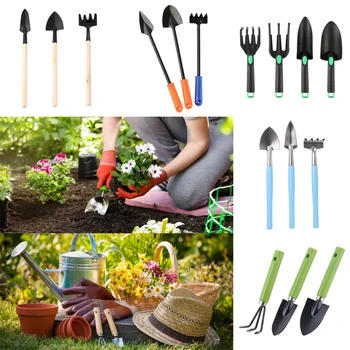
5. Ongoing Care – Keep It Simple
Watering schedule
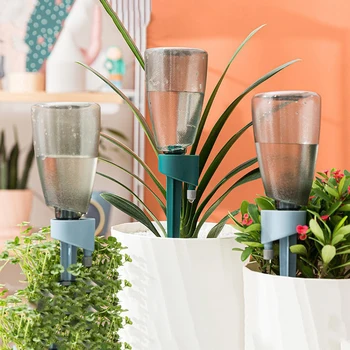
During the first 6‑8 weeks, water twice weekly (about 1 inch per session). After establishment, reduce to once every 10‑14 days, depending on rainfall.
Pruning and deadheading
- Lavender: Trim back by one‑third after flowering to maintain shape and prevent woody growth.
- Daylilies: Remove spent flower stalks to redirect energy to foliage.
- Ornamental grasses: Cut back in early spring to ground level, allowing new shoots to emerge.
Fertilizing – “Less is more”
Apply a slow‑release, balanced fertilizer (10‑10‑10) once in early spring. Over‑fertilizing can lead to lush foliage but fewer blooms, especially in lavender and sage.
Pest and disease watch
Most perennials are resistant, but stay vigilant for aphids on lavender and slugs on hostas. A quick spray of neem oil or a handful of diatomaceous earth can keep problems at bay without chemicals.
6. Seasonal Highlights – Make Each Month Shine
Spring
Early bloomers like crocuses and Phlox subulata carpet the ground, while newly planted perennials settle in. Add a few Bulbous daffodils for extra color.
Summer
Daylilies, lavender, and Russian sage dominate with vibrant spikes. Use a light misting spray on lavender during heatwaves to preserve fragrance.
Fall
Ornamental grasses turn golden, and hosta leaves deepen to rich burgundy. Apply a thin layer of compost to feed the soil for winter.
Winter
Evergreen foliage of heuchera and the structural form of grasses provide interest. Snow acts as natural mulch, protecting roots.
7. Quick‑Action Checklist for Busy Gardeners
- ✔️ Verify hardiness zone and soil pH before buying plants.
- ✔️ Group plants by water needs to create efficient hydrozones.
- ✔️ Mulch immediately after planting to suppress weeds.
- ✔️ Water deeply for the first two months, then taper.
- ✔️ Prune lavender and grasses at the right season to encourage fresh growth.
- ✔️ Add a 10‑10‑10 slow‑release fertilizer in early spring—no more.
Conclusion – A Garden That Grows With You
By selecting resilient perennials, planning smart zones, and following a few data‑driven maintenance habits, you can enjoy a garden that looks polished year after year without sacrificing your precious time. The combination of evergreen foliage, staggered bloom periods, and low‑maintenance care creates a living backdrop for outdoor living, family gatherings, and personal relaxation. Start small, track your progress, and let the garden evolve—your low‑effort, all‑season sanctuary is just a few planting steps away.