Welcome to your go‑to guide for creating a thriving, eco‑friendly garden that not only looks stunning but also supports the planet. This post blends the latest research on water conservation, soil health, and biodiversity with practical, step‑by‑step instructions you can implement today. By the end, you’ll have a clear roadmap to grow a resilient garden and turn simple blooms into elegant displays with easy arranging techniques 🌸🖐️.
Why Sustainable Gardening Matters
According to the USDA Natural Resources Conservation Service, gardens that use native plants and water‑smart practices can reduce irrigation needs by up to 60 % compared to conventional lawns. Sustainable gardening also improves soil carbon sequestration, which helps mitigate climate change. Moreover, a biodiverse garden attracts pollinators, reduces pest pressure, and can increase yields of edible crops by 30 %–40 % (University of California, 2022). These data points highlight why a green thumb should also be a green conscience.

Getting Started: Soil and Site Assessment
Before you plant a single seed, conduct a quick soil test (available at most garden centers) to determine pH, organic matter, and nutrient levels. A simple DIY test using a kitchen spoon of soil, water, and a clear jar will reveal texture and drainage quality. Aim for a pH between 6.0 and 7.0 for most vegetables and herbs. If your soil is heavy clay, incorporate 2–3 inches of coarse sand and a 4‑inch layer of compost to improve aeration.
Actionable tip
Mark a 1‑meter square area, dig a shallow trench, and fill it with water. If the water drains in less than 30 seconds, your soil is well‑draining; otherwise, add organic amendments before proceeding.
Step 1: Selecting Native and Drought‑Tolerant Plants
Choosing plants adapted to your climate reduces water and fertilizer demands. Refer to your local Native Seed Network for a list of species that thrive with minimal input. For example, Echinacea purpurea (purple coneflower) and Salvia nemorosa (wood sage) are both pollinator magnets that require only occasional deep watering after establishment.
Practical tip
Group plants with similar water needs together (a technique called “hydrozoning”). This allows you to irrigate efficiently and avoid over‑watering heat‑loving succulents with moisture‑loving ferns.
Step 2: Water‑Smart Practices
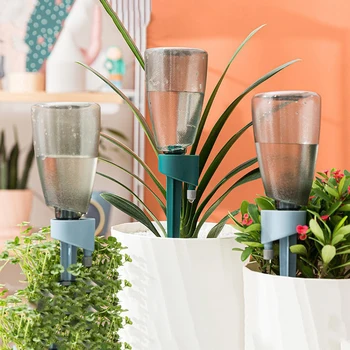
Data from the EPA WaterSense program shows that drip irrigation can cut water use by up to 50 % compared with overhead sprinklers. Install a low‑flow drip line or soaker hoses at the base of each plant, and set timers to water early in the morning when evaporation is lowest.
Actionable advice
- Use a rain sensor or moisture meter to skip watering on rainy days.
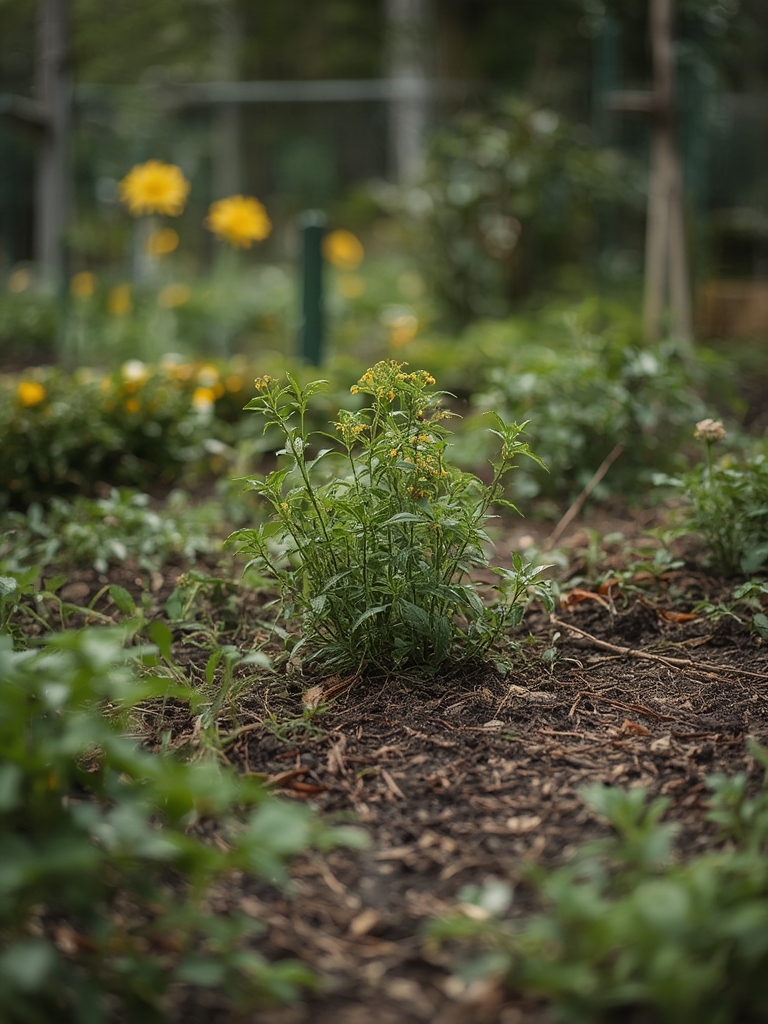
- Mulch with 2–3 inches of shredded bark or straw to retain soil moisture and suppress weeds.
- Apply the “deep‑and‑infrequent” rule: water until the soil is moist 6–8 inches deep, then wait for the top inch to dry before the next session.
Step 3: Composting and Soil Health
Compost adds beneficial microbes, improves structure, and reduces the need for synthetic fertilizers. A study by Cornell University found that adding 2 inches of compost to garden beds can increase vegetable yields by 15 % while cutting fertilizer use by 30 %.
Step‑by‑step compost guide
- Choose a bin: A simple three‑sided wooden compost bin works well for small gardens.
- Balance greens and browns: Aim for a 1:2 ratio (e.g., kitchen scraps to dried leaves).
- Turn weekly: Use a garden fork to aerate the pile, speeding up decomposition.
- Harvest: When the material looks dark, crumbly, and smells earthy (usually 8–12 weeks), spread it thinly over planting rows.
Step 4: Integrated Pest Management (IPM)
Instead of reaching for chemicals, IPM relies on observation, biological controls, and cultural practices. The University of Florida IFAS Extension reports that using companion planting can reduce pest damage by up to 40 %.
Quick IPM checklist
- Monitor: Walk the garden weekly and note any insect activity.
- Encourage allies: Plant Allium species (garlic, chives) to deter aphids and attract beneficial predatory insects.
- Physical barriers: Use row covers for vulnerable seedlings during peak pest weeks.
- Organic sprays: A neem oil solution (1 tsp per gallon of water) can be applied as a last resort.
Step 5: Harvesting and Re‑using Garden Resources
Harvesting at the right stage maximizes flavor and encourages continuous production. For leafy greens, cut the outer leaves first; for fruiting plants, pick when the color is fully developed but still slightly firm. After harvest, compost plant trimmings (except diseased material) to close the nutrient loop.
Actionable tip
Store harvested herbs in a glass jar with a thin layer of olive oil; this preserves flavor and reduces waste, while the oil can later be used for cooking—a win‑win for sustainability.
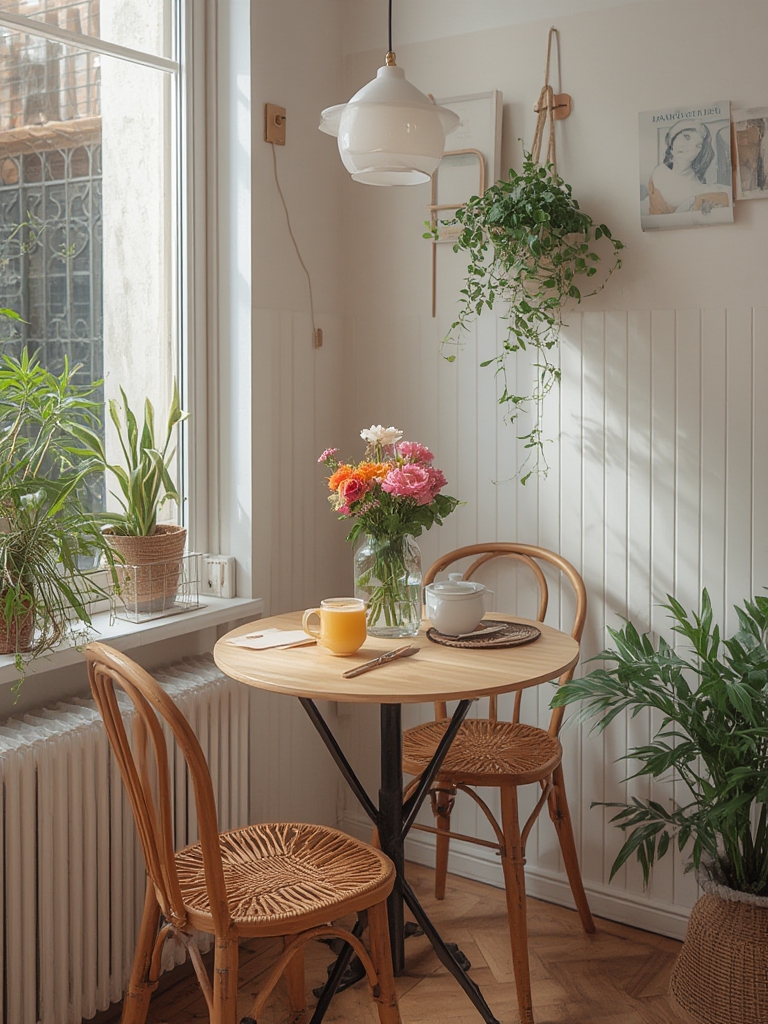
Turn simple blooms into elegant displays with easy arranging techniques 🌸🖐️
Even a modest garden can become a showcase with a few arranging tricks:
- Mix textures: Pair the soft, feathery foliage of Achillea millefolium with the bold, rounded heads of Rudbeckia hirta for visual contrast.
- Use height tiers: Place taller stems (e.g., ornamental grasses) at the back, medium‑height flowers (e.g., coreopsis) in the middle, and low‑growing groundcovers (e.g., creeping thyme) up front.
- Color harmony: Follow the 60‑30‑10 rule: 60 % dominant hue (e.g., soft lavender), 30 % secondary hue (e.g., sunny yellow), and 10 % accent (e.g., deep burgundy).
- Seasonal rotation: Swap out annuals each spring with fresh varieties while keeping perennials as the structural backbone.
By applying these data‑backed practices and simple arranging ideas, you’ll cultivate a garden that’s beautiful, resilient, and kind to the environment. Happy planting, and enjoy the sustainable bounty you create!