
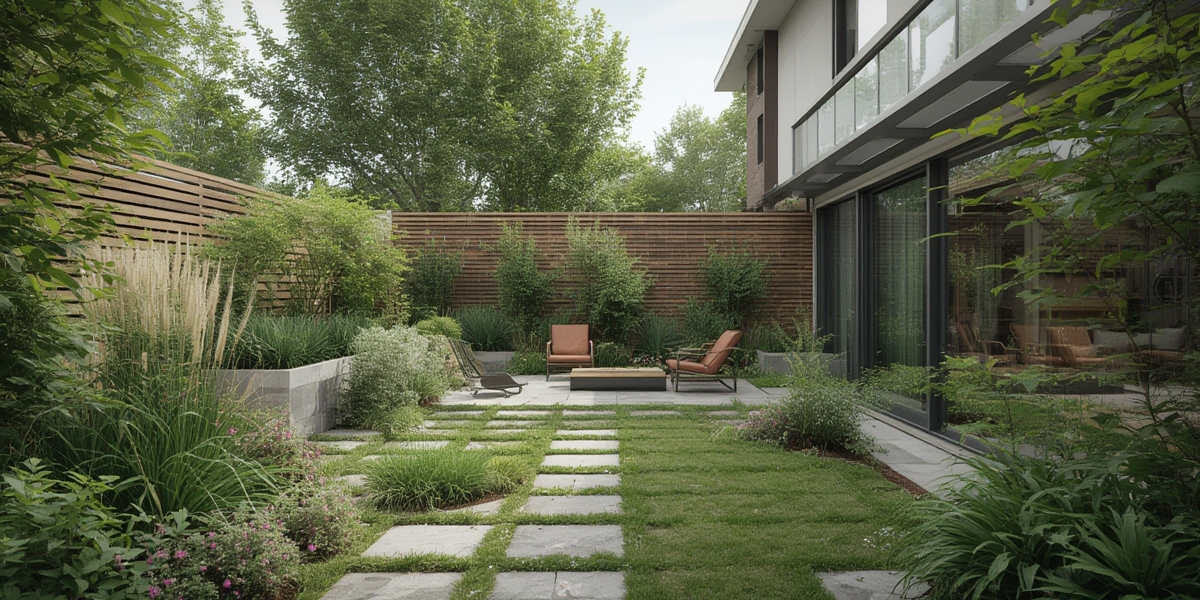
Welcome to the wonderful world of gardening! Whether you have a tiny balcony or a spacious backyard, this year’s modern gardening trends are designed to make your green space more productive, sustainable, and enjoyable. By embracing a few fresh ideas, even beginner gardeners can boost their confidence, grow healthier plants, and create a garden that looks great all season long. Let’s explore the top trends you need to try this year, complete with practical tips, common pitfalls to avoid, and simple steps to get started.
1. Vertical Gardening: Maximize Space and Style
Vertical gardening has exploded in popularity, especially for those with limited floor space. By growing plants upward on trellises, wall-mounted planters, or repurposed pallets, you can enjoy a lush garden without sacrificing valuable ground area.
Practical Tips
- Choose lightweight containers like fabric grow bags or modular wall panels to keep the structure stable.
- Start with easy‑going climbers such as beans, peas, or nasturtiums, which quickly cover supports.
- Install a drip irrigation system or use self‑watering pockets to ensure consistent moisture.
- Place your vertical garden where it receives the appropriate amount of sunlight for the chosen plants (most vegetables need 6–8 hours of direct sun).
Common Mistakes
- Overloading the structure with heavy pots—this can cause sagging or collapse.
- Neglecting proper airflow, which can lead to fungal diseases on dense foliage.
- Forgetting to rotate crops; planting the same species in the same spot year after year can deplete soil nutrients.
2. Smart Gardening: Technology Meets Nature
Smart gardening tools are no longer just for tech enthusiasts. Sensors, automated watering systems, and smartphone apps now help beginners monitor soil moisture, light levels, and temperature with ease.
Practical Tips
- Invest in a basic soil moisture sensor that sends alerts to your phone when plants need water.
- Use a programmable timer for your drip system to deliver consistent watering during cooler parts of the day.
- Explore free gardening apps that provide planting calendars and pest identification guides.
Common Mistakes
- Relying solely on technology—always double‑check soil feel with your hand before watering.
- Setting timers without adjusting for seasonal changes; summer may require more frequent watering than spring.
- Ignoring battery life on sensors, which can lead to missed alerts.
3. Regenerative Gardening: Build Soil Health
Regenerative gardening focuses on improving soil biology rather than just feeding plants. Healthy soil means stronger, more resilient plants and less need for chemical fertilizers.
Practical Tips
- Incorporate compost or well‑rotted manure into your beds each season to boost organic matter.
- Practice no‑till or low‑till methods to preserve soil structure and microbial life.
- Plant cover crops like clover or rye during off‑season periods to protect soil and add nitrogen.
Common Mistakes
- Adding too much fresh compost at once, which can temporarily tie up nitrogen and stress plants.
- Skipping mulch, leading to moisture loss and weed competition.
- Over‑watering, which can drown beneficial microbes and cause root rot.
4. Edible Landscaping: Beauty Meets Function
Edible landscaping blends ornamental plants with food‑producing varieties, turning every corner of your garden into a visual treat and a source of fresh produce.
Practical Tips
- Replace traditional hedges with berry bushes, rosemary, or lavender for both scent and harvest.
- Use colorful lettuce, kale, or beet greens as ground cover in sunny spots.
- Integrate fruit trees with ornamental flowering varieties to create layered interest.
Common Mistakes
- Choosing varieties that are purely ornamental and produce little fruit or veg.
- Planting edible species in shady spots where they won’t thrive.
- Neglecting pest management; edible plants can attract the same pests as ornamental ones.
5. Native Plant Gardens: Support Local Ecosystems
Native plants are adapted to your region’s climate, soil, and wildlife, making them low‑maintenance and environmentally friendly. They also attract pollinators, beneficial insects, and birds.
Practical Tips
- Visit a local native plant nursery or check online regional plant lists to select appropriate species.
- Group plants with similar water needs together to simplify irrigation.
- Include a mix of flowering times to provide continuous nectar sources for pollinators.
Common Mistakes
- Mixing too many non‑native, high‑maintenance plants, which can outcompete the natives.
- Over‑watering newly planted natives; they often need less water once established.
- Planting in the wrong soil type—some natives thrive in sandy soils, others in clay.
6. Hydroponic and Aquaponic Systems: Soil‑Free Growing
Hydroponics and aquaponics let you grow vegetables and herbs without traditional soil, using nutrient‑rich water solutions. These systems are perfect for indoor spaces, balconies, or areas with poor soil quality.
Practical Tips
- Start with a simple countertop hydroponic kit that includes a grow tray, pump, and nutrient solution.
- Choose fast‑growing, lightweight crops like lettuce, basil, and spinach.
- Maintain water temperature between 65‑75°F (18‑24°C) for optimal nutrient uptake.
Common Mistakes
- Neglecting to change the nutrient solution regularly—stale water can lead to nutrient imbalances.
- Allowing roots to sit in stagnant water, which encourages root rot.
- Over‑feeding; too much nutrient solution can burn delicate seedlings.
7. Sustainable Water Practices: Conserve and Reuse
Water conservation is a cornerstone of modern gardening. Efficient watering not only saves resources but also promotes healthier plants.
Practical Tips
- Install rain barrels to collect runoff from gutters for later garden use.
- Water early in the morning or late evening to reduce evaporation.
- Use mulch liberally to retain soil moisture and suppress weeds.
Common Mistakes
- Watering on a fixed schedule without checking soil moisture—this can lead to over‑watering.
- Using sprinklers that spray water onto foliage, increasing disease risk.
- Leaving rain barrels uncovered, which can become breeding grounds for mosquitoes.
Conclusion
Modern gardening trends are all about making gardening more accessible, sustainable, and rewarding for beginners. By trying vertical gardening, embracing smart tools, focusing on soil health, blending edible and ornamental plants, choosing native species, experimenting with hydroponics, and conserving water, you’ll create a garden that thrives year after year. Remember to start small, learn from each season, and enjoy the process—your garden will thank you with vibrant growth, fresh harvests, and a beautiful outdoor sanctuary.