Flower gardening is a rewarding hobby that brings color, fragrance, and life to any outdoor space. Whether you’re a seasoned gardener or just starting out, a well‑planned flower garden can thrive year after year with the right preparation, planting techniques, and ongoing care. Below you’ll find a data‑driven, step‑by‑step guide that blends proven horticultural practices with practical, actionable tips to help you grow a vibrant, low‑maintenance garden that dazzles from spring through autumn. Enjoy rich autumn colors with flowers that stay vibrant long after summer fades 🍁🌺.
1. Planning Your Flower Garden
Assess Your Site
- Sunlight: Use a sunlight meter or simply observe the area for 5‑7 days. Most flowering plants need at least 6 hours of direct sun; shade‑loving varieties require 3‑4 hours.
- Soil Type: Conduct a simple jar test (mix soil with water, let settle). Sandy soil will sit on top, clay at the bottom, and loam in the middle. Aim for loam or amend with compost.
- Drainage: Dig a 6‑inch hole and fill with water. If it drains within 30 seconds, drainage is good. Poor drainage can lead to root rot.
Choose the Right Plants
- Consult USDA hardiness zone maps to match plants to your climate.
- Prioritize perennials for long‑term color and annuals for seasonal splashes.
- Include a mix of bloom times: early spring (e.g., crocuses), mid‑summer (e.g., coneflowers), and late‑season (e.g., asters) for continuous interest.
Design Layout
- Use the “tall‑medium‑short” rule: place tall plants (e.g., delphiniums) at the back, medium (e.g., daisies) in the middle, and short (e.g., marigolds) in front.
- Group plants with similar water and sunlight needs together to simplify irrigation.
- Incorporate pathways or stepping stones for easy access and maintenance.
2. Soil Preparation
Test and Amend
- Buy a basic pH test kit; most flowering plants thrive in a pH of 6.0‑6.8.
- If pH is low (acidic), add garden lime; if high (alkaline), incorporate elemental sulfur.
- Mix in 2‑3 inches of well‑rotted compost or aged manure to improve fertility and structure.
Improving Drainage
- For heavy clay, blend in coarse sand or perlite at a 1:4 ratio (one part amendment to four parts soil).
- Consider raised beds if the native soil is consistently waterlogged.
3. Planting Techniques
Timing
- Plant cool‑season flowers (e.g., pansies, snapdragons) in early spring or fall.
- Warm‑season varieties (e.g., petunias, marigolds) should be planted after the last frost date—typically when soil temperature reaches 65 °F (18 °C).
Spacing and Depth
- Follow seed packet or nursery label spacing guidelines; overcrowding reduces air circulation and increases disease risk.
- Plant at the same depth the plant was growing in its pot. For seedlings, the root ball should sit just below the soil surface.
Watering at Planting
- Water thoroughly after planting to settle soil around roots.
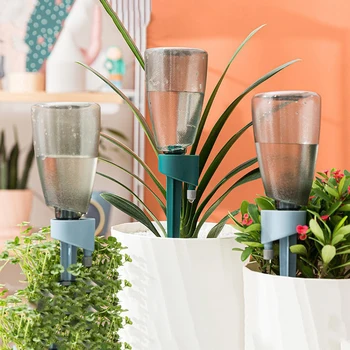
- Use a slow‑release water source (soaker hose or drip line) to keep the root zone consistently moist for the first 2‑3 weeks.
4. Ongoing Care and Maintenance
Water Management
- Apply the “deep‑and‑infrequent” rule: 1‑1.5 inches of water per week, delivered in one or two deep soakings.
- Mulch with 2‑3 inches of organic material (shredded bark, straw) to retain moisture and suppress weeds.
Fertilizing
- Use a balanced, slow‑release fertilizer (10‑10‑10) at planting and again mid‑season.
- For a boost of color, apply a phosphorus‑rich bloom booster (e.g., 5‑10‑5) every 4‑6 weeks during the flowering period.
Pruning and Deadheading
- Remove spent blooms (deadheading) weekly to encourage repeat flowering.
- Trim back leggy stems to the first set of healthy leaves to promote bushier growth.
- For perennials, cut back foliage in early fall after the first frost to prevent disease.
Pest and Disease Management
- Inspect plants weekly for signs of aphids, spider mites, or fungal spots.
- Use neem oil or insecticidal soap for soft‑bodied pests; apply in the early morning or late evening.
- Practice crop rotation and avoid overhead watering to reduce fungal problems.
5. Extending the Season
Autumn Color Strategies
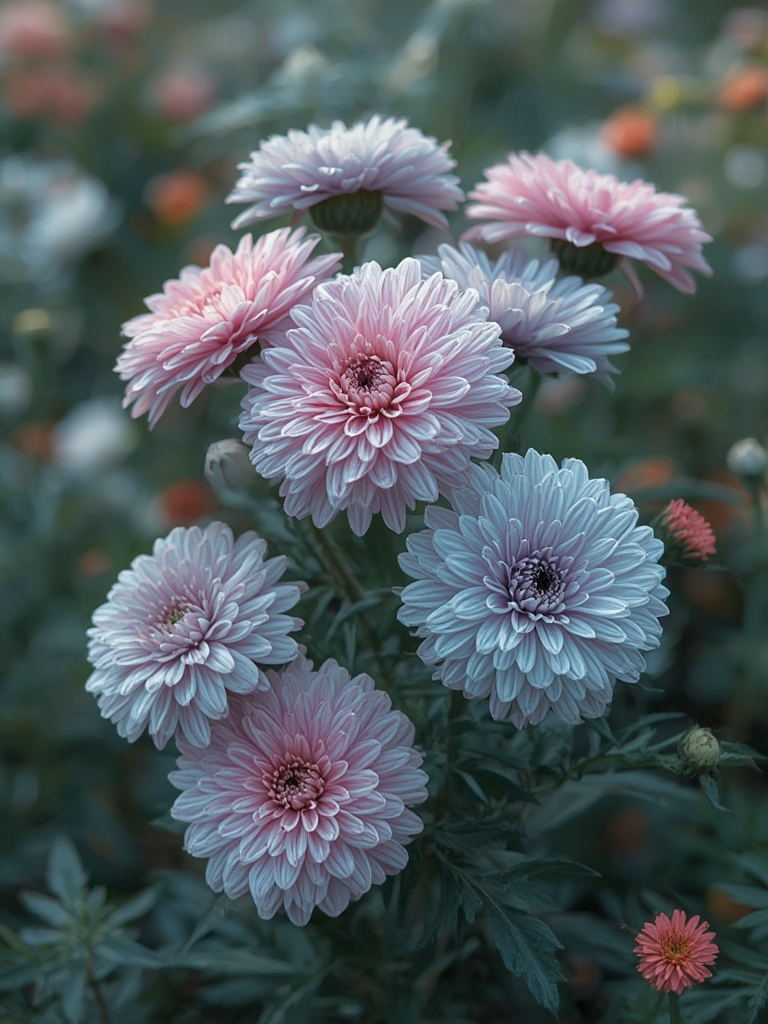
- Plant late‑blooming perennials such as Chrysanthemum, Aster, and Japanese Anemone that retain vibrant hues into October.
- Incorporate ornamental grasses (e.g., Pennisetum) that turn golden and provide texture after the flowers fade.
- Apply a light layer of mulch in late September to protect roots from early frosts while maintaining soil warmth.
Winter Protection
- Cover tender perennials with burlap or frost cloth after the first hard freeze.
- For container plants, move pots to a sheltered location (garage or shed) and reduce watering to once a month.
- Mark the location of each plant with garden stakes to aid spring re‑planting.
6. Quick‑Action Checklist for Success
- ✔️ Test soil pH and amend as needed.
- ✔️ Add 2‑3 inches of compost for fertility.
- ✔️ Choose plants suited to your USDA zone and sunlight exposure.
- ✔️ Plant at the correct depth and spacing.
- ✔️ Water deeply after planting, then maintain 1‑1.5 inches per week.
- ✔️ Mulch to conserve moisture and suppress weeds.
- ✔️ Deadhead weekly for continuous blooms.
- ✔️ Inspect for pests and treat early.
- ✔️ Add late‑season bloomers for autumn color.
- ✔️ Protect tender plants before the first hard freeze.
By following these data‑backed steps and incorporating the practical tips above, you’ll create a flower garden that not only thrives throughout the growing season but also delivers a spectacular display of color as the leaves turn. Happy gardening!