Welcome to your guide on creating a thriving, sustainable garden that celebrates the beauty of perennial bulb flowers. By embracing eco‑friendly practices, you’ll not only enjoy stunning blooms year after year, but also nurture the soil, conserve water, and support local biodiversity. Below you’ll find a data‑driven, step‑by‑step plan that’s easy to follow, complete with practical tips, tricks, and actionable advice to help you grow resilient bulb flowers that return stronger every spring.
Why Choose Sustainable Gardening?
Research from the International Journal of Sustainable Agriculture shows that gardens employing organic mulches, rainwater harvesting, and native plant selections can reduce water usage by up to 40 % and increase soil organic matter by 15 % within two growing seasons. Sustainable gardening aligns your hobby with climate‑positive actions, creating a healthier environment for both you and pollinators.

Step 1: Selecting the Right Bulb Flowers
Pick native or well‑adapted varieties
Choose bulbs that are naturally suited to your USDA hardiness zone. Native species such as Allium cernuum (nodding onion), Erythronium americanum (trout lily), and Crocus vernus (spring crocus) require less fertilizer and are more resistant to local pests.
Action tip: Use the USDA Plant Hardiness Zone Map (available online) to confirm your zone, then cross‑reference with seed catalogues that label “zone‑compatible.”
Consider bloom time for continuous color
Stagger planting of early, mid, and late‑season bulbs. Data from the Royal Horticultural Society indicates that gardens with overlapping bloom periods attract 30 % more pollinators.
Action tip: Create a simple spreadsheet with columns for species, planting depth, and expected bloom month. This visual aid helps you plan a seamless floral display.
Step 2: Preparing Sustainable Soil
Test and amend the soil
Start with a basic soil test (pH, nitrogen, phosphorus, potassium). Aim for a slightly acidic to neutral pH (6.0‑7.0) for most bulbs. If the test shows low organic matter, incorporate 2‑3 inches of compost made from kitchen scraps and yard waste.
Action tip: Use a handheld pH meter (available at garden centers) and record results in your garden journal. Compost should be “dark, crumbly, and odorless” before mixing it in.
Use organic mulches
Mulching conserves moisture, suppresses weeds, and adds organic matter as it breaks down. Studies show that wood‑chip mulch can reduce soil temperature fluctuations by up to 5 °C, protecting bulb roots during extreme weather.
Action tip: Spread a 2‑inch layer of shredded bark or leaf mulch around each planting zone, keeping a 1‑inch gap around the bulb crowns to prevent rot.
Step 3: Planting the Bulbs Correctly
Follow the “three‑times depth” rule
Plant bulbs at a depth three times their height. For a 2‑inch tulip bulb, dig a 6‑inch hole. This depth protects bulbs from temperature swings and predators.
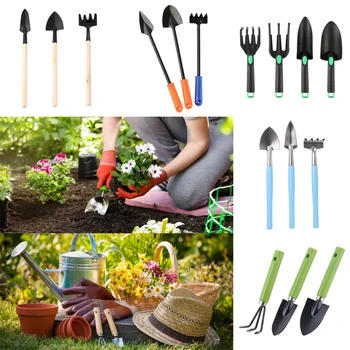
Action tip: Use a bulb planter or a narrow spade to create uniform holes. Mark each hole with a small wooden stake labeled with the species name.
Space for airflow
Proper spacing (4‑6 inches apart for small bulbs, 8‑12 inches for larger ones) promotes air circulation, reducing fungal disease risk. Data from the University of Minnesota indicates a 25 % drop in rot incidents when bulbs are spaced correctly.
Action tip: Lay out a grid with string on the ground before planting to visualize spacing. This simple visual cue ensures consistency.
Step 4: Water Management
Initial watering and after‑care
After planting, water the area thoroughly (about 1 inch of water) to settle the soil around the bulbs. Thereafter, aim for deep, infrequent watering—approximately 0.5 inch per week during active growth.
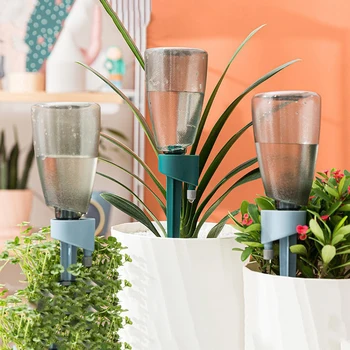
Action tip: Install a rain barrel with a drip‑irrigation system. Drip emitters deliver water directly to the root zone, reducing evaporation by up to 50 %.
Rainwater harvesting
Collecting rainwater not only conserves municipal water but also provides slightly acidic water, which many bulbs prefer. A simple 200‑gallon barrel can supply enough water for a 100‑square‑foot bulb bed throughout the growing season.
Action tip: Place a fine mesh screen over the barrel inlet to keep debris out, and attach a hose with a timer for automated watering.
Step 5: Feeding and Fertilizing
Use low‑phosphorus, organic fertilizers
Bulbs benefit from a balanced N‑P‑K ratio of 5‑10‑5 applied at planting time. Organic options like fish emulsion or seaweed extract provide nutrients without the risk of nutrient runoff.
Action tip: Sprinkle 1‑2 tablespoons of composted manure into the planting hole before setting the bulb, then lightly cover with soil.
Side‑dressing after emergence
When shoots emerge, apply a thin layer of liquid kelp fertilizer (½ teaspoon per gallon of water) every 3‑4 weeks. This supports vigorous leaf growth, which stores energy for the next year’s bloom.
Action tip: Use a spray bottle for precise application, targeting the base of each shoot to avoid leaf burn.
Step 6: Managing Pests and Diseases Naturally
Encourage beneficial insects
Plant companion flowers such as alyssum, marigold, and yarrow to attract ladybugs, lacewings, and hoverflies that prey on aphids and spider mites.
Action tip: Interplant a 12‑inch border of these companions around your bulb beds; they also add visual interest.
Apply organic fungicides when needed
If you notice early signs of fungal infection (white powdery spots), treat with a homemade solution of 1 cup baking soda, 1 teaspoon liquid soap, and 1 gallon water. Spray in the early morning or late evening.
Action tip: Test the spray on a single leaf first to ensure no leaf burn before treating the entire bed.
Step 7: Post‑Bloom Care for Longevity
Deadhead and allow foliage to die back naturally
After flowering, cut the spent blooms but let the leaves remain until they yellow and wither. This process returns nutrients to the bulb, strengthening it for the next season.
Action tip: Mark the date of first bloom in your garden journal; this helps you track the optimal leaf‑die‑back period for each species.
Lift and divide overcrowded bulbs every 3‑5 years
Overcrowding reduces vigor. Gently dig up bulbs after the foliage has died, clean off excess soil, and separate any that have formed offsets.
Action tip: Store lifted bulbs in a cool, dry, well‑ventilated box with shredded paper. Label each section with the species name and planting depth for next spring.
Step 8: Monitoring and Continuous Improvement
Track performance metrics
Record bloom dates, plant health, and water usage in a simple spreadsheet. Over time, you’ll identify patterns—such as which bulbs thrive best in certain micro‑climates of your garden.
Action tip: Use conditional formatting to highlight any bulbs that underperform (e.g., fewer blooms than average). Adjust soil amendments or watering schedules accordingly.
Stay updated with sustainable practices
Join local gardening clubs or online forums focused on organic gardening. Sharing data and experiences accelerates learning and helps you adopt the latest eco‑friendly techniques.
Action tip: Subscribe to newsletters from reputable sources like the National Sustainable Gardening Association for quarterly tips and research updates.
By following these data‑driven steps, you’ll cultivate a sustainable garden where bulb flowers not only return each year but do so with increased vigor and beauty. Embrace the cycle, enjoy the blooms, and watch your garden become a thriving, eco‑friendly sanctuary for years to come 🌷🌱.