
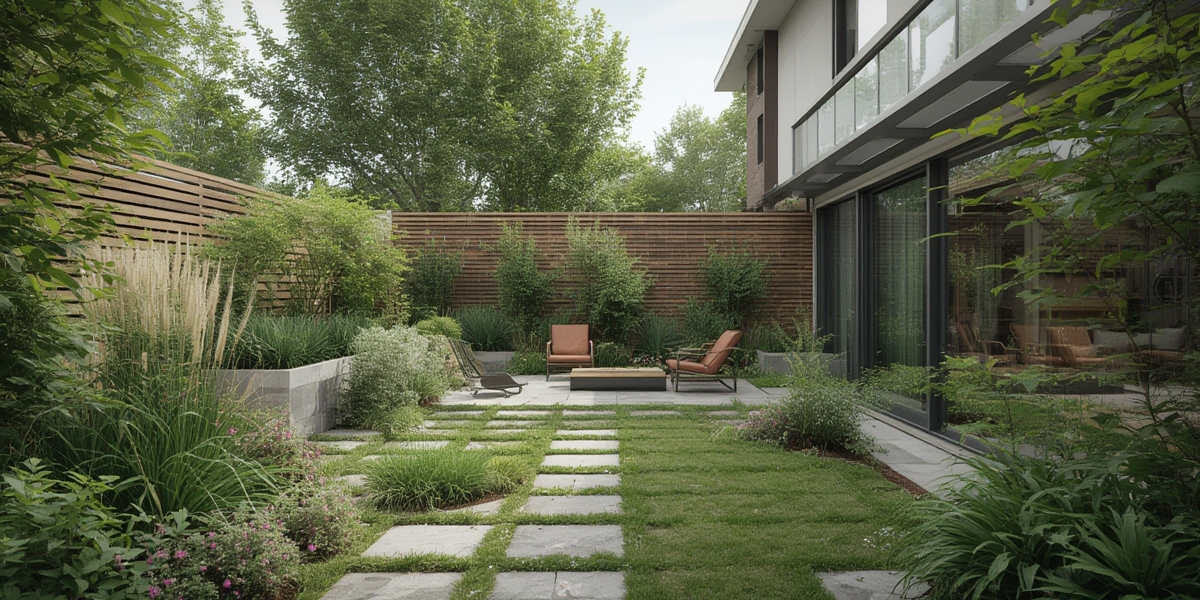
Designing a modern garden can feel like a big project, especially if you’re just starting out. The good news is that with a clear plan and a few simple steps, you can create a sleek, functional outdoor space that reflects your style and makes the most of your yard. Below is a step‑by‑step guide that walks you through everything from brainstorming ideas to planting the final touches. Let’s dive in and turn your garden dreams into reality!
Step 1: Define Your Vision and Set Realistic Goals
Before you pick up a shovel, take a moment to imagine how you want your garden to look and feel. Modern gardens often feature clean lines, minimal clutter, and a mix of textures. Ask yourself:
- Do I want a low‑maintenance space or am I happy to tend to plants regularly?
- Will the garden be a quiet retreat, an entertaining area, or both?
- Which colors and materials (concrete, wood, metal) appeal to me?
Write down 2‑3 primary goals. Having clear objectives will keep you focused when decisions get tricky later on.
Step 2: Assess Your Space and Soil
Measure and Sketch
Grab a tape measure and note the dimensions of your yard. Sketch a rough layout on graph paper or use a free online garden planner. Mark existing features such as trees, fences, and pathways—these will influence where you place new elements.
Check Sunlight and Soil Type
Observe how sunlight moves across the garden throughout the day. Most modern plants thrive in full sun (6+ hours), but you can also incorporate shade‑loving varieties for balance. Test the soil’s pH and texture with a simple kit from a garden center. If the soil is heavy clay or sandy, you may need to amend it with compost or organic matter to improve drainage and fertility.
Step 3: Choose a Simple Layout
Modern garden design favors geometric shapes and open spaces. Here are three popular layout ideas:
- Linear Grid: Straight lines and right angles create a structured look. Use rectangular planting beds, a central pathway, and symmetrical plant groupings.
- Asymmetrical Balance: Mix different shapes (circles, rectangles) while keeping a visual equilibrium. This adds interest without feeling chaotic.
- Layered Zones: Divide the garden into functional zones—seating, planting, and decorative features—each with its own distinct style.
Pick the layout that best matches your goals and the shape of your yard. Keep pathways at least 3 feet wide for easy movement, and leave enough open space to avoid a crowded feel.
Step 4: Select Modern Plant Materials
Focus on Form and Texture
When choosing plants, think about shape, foliage texture, and seasonal interest. Some beginner‑friendly options include:
- Ornamental Grasses: Fountain grass, feather reed grass, and blue fescue add movement and a soft, airy texture.
- Evergreen Shrubs: Boxwood, dwarf juniper, and Japanese holly provide structure year‑round.
- Architectural Perennials: Black-eyed Susan, coneflower, and lavender offer bold forms and color.
- Succulents and Cacti: Perfect for dry spots and a modern, sculptural vibe.
Use a Limited Color Palette
Modern gardens often stick to a restrained color scheme—think whites, silvers, muted greens, and occasional pops of bold color like deep purple or bright orange. This keeps the space feeling cohesive and sophisticated.
Step 5: Incorporate Hardscape Elements
Hardscape (paths, walls, furniture) is the backbone of a modern garden. Choose materials that complement your plant palette:
- Concrete Pavers: Clean, rectangular slabs create a sleek foundation.
- Wood Decking: Light‑stained timber adds warmth without overwhelming the design.
- Metal Accents: Black steel planters or a minimalist metal bench provide an industrial edge.
Remember to keep lines straight and edges sharp for that contemporary feel. If you’re new to DIY hardscaping, start with a simple pathway using interlocking pavers—these are easy to install and require minimal tools.
Step 6: Install Efficient Irrigation
Watering can become a chore if not planned correctly. Install a drip‑irrigation system or soaker hoses along planting beds. These deliver water directly to the root zone, reducing waste and keeping foliage dry (which helps prevent disease). Many kits come with timers, allowing you to set watering schedules that match your local climate.
Step 7: Add Finishing Touches
Lighting
Strategic lighting extends the garden’s usability into the evening. Use low‑profile LED strip lights along pathways, uplights to highlight a specimen plant, and subtle spotlights for decorative features. Aim for warm white tones to keep the ambiance inviting.
Furniture and Decor
Choose pieces that echo the garden’s clean lines—think a simple metal table with a concrete bench, or a minimalist hammock. Add a few decorative elements like a sculptural stone or a water feature, but keep the quantity low to maintain the uncluttered aesthetic.
Common Mistakes to Avoid
- Over‑planting: Filling every inch with foliage defeats the modern, airy look. Stick to the “less is more” principle.
- Ignoring Soil Health: Skipping soil preparation leads to weak plants and frequent maintenance. Amend the soil before planting.
- Choosing Incompatible Plants: Mixing sun‑loving and shade‑tolerant species in the same bed can cause uneven growth. Group plants with similar light and water needs.
- Neglecting Maintenance Plans: Even low‑maintenance gardens need periodic pruning, mulching, and weed control. Schedule a monthly check‑up to keep the garden looking fresh.
- Improper Pathway Width: Too narrow pathways make the space feel cramped and limit accessibility. Aim for at least 3 feet for comfortable movement.
Conclusion
Designing a modern garden step by step is entirely achievable for beginner gardeners. By defining a clear vision, assessing your site, selecting simple layouts, choosing plants with strong form, and integrating clean hardscape elements, you’ll create a stylish outdoor retreat that’s both functional and low‑maintenance. Remember to keep the design uncluttered, stay mindful of soil and water needs, and enjoy the process of watching your modern garden come to life. Happy planting!