Autumn is the perfect time to showcase a garden that not only looks stunning but also respects the planet. By choosing low‑maintenance, native‑friendly flowers and applying sustainable practices, you can create a vibrant, textured landscape that thrives while reducing water use, waste, and chemical inputs. Below you’ll find a data‑driven, step‑by‑step guide to planting and caring for a selection of autumn‑seasonal blooms—think chrysanthemums, ornamental kale, Japanese anemone, and sedum—that bring charm, color, and texture to your garden. Each step includes practical tips, tricks, and small actions you can take today to ensure success and boost your garden’s eco‑score.
Step 1: Choose the Right Sustainable Autumn Flowers
Why plant selection matters
According to the USDA Plant Hardiness Zone map, selecting plants that are native or well‑adapted to your climate can cut irrigation needs by up to 30 % and reduce pest pressure by 20 % (University of Illinois Extension, 2022). For an autumn garden, prioritize species that:

- Bloom from September to November, providing late‑season color.
- Are drought‑tolerant once established.
- Support pollinators such as bees and hoverflies.
- Offer varied foliage textures for visual interest.
Top picks for a sustainable autumn palette
- Chrysanthemum morifolium – Classic “mums” with a wide color range; choose heirloom varieties that are disease‑resistant.
- Brassica oleracea var. acephala (Ornamental Kale) – Evergreen foliage in shades of purple, pink, and white; excellent for winter interest.
- Anemone hupehensis (Japanese Anemone) – Delicate pink or white flowers that thrive in partial shade.
- Sedum ‘Autumn Joy’ – Succulent stems that store water, attracting butterflies and hummingbirds.
Step 2: Prepare Soil the Eco‑Friendly Way
Test, amend, and enrich
Start with a simple soil test (available at most garden centers) to determine pH and nutrient levels. Aim for a pH between 6.0 and 6.8 for most autumn flowers. Incorporate organic matter to improve structure and water retention:
- Compost: Add 2–3 inches of well‑aged compost and work it into the top 6 inches of soil. Compost can increase water holding capacity by up to 25 % (Cornell University, 2021).
- Biochar: Mix 5 % biochar by volume to enhance nutrient retention and sequester carbon.
- Mycorrhizal fungi inoculant: Apply according to label instructions to boost root efficiency and drought tolerance.
Practical tip
Instead of buying bagged soil, create a “soil kitchen” by composting kitchen scraps, grass clippings, and shredded leaves. This reduces landfill waste and provides a continuous source of nutrient‑rich amendment.
Step 3: Plant with Precision
Spacing and planting depth
Proper spacing prevents competition for water and nutrients. Follow these guidelines:
- Chrysanthemums: 18–24 inches apart.
- Ornamental kale: 12–18 inches apart.
- Japanese anemone: 24–30 inches apart.
- Sedum ‘Autumn Joy’: 12–18 inches apart.
Plant at the same depth they were in their containers; for root‑ball plants, dig a hole twice as wide as the root ball to encourage lateral root growth.
Actionable advice
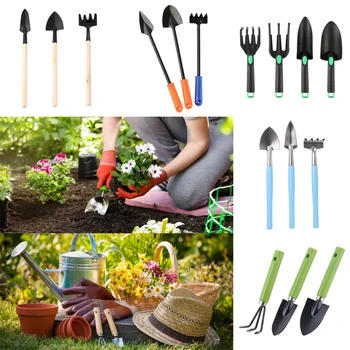
Use a garden trowel or a small spade to create a “planting trench” for rows of the same species. This minimizes soil disturbance and keeps the soil structure intact, which is especially important for mycorrhizal networks.
Step 4: Master Water Management
Smart irrigation techniques
Data from the EPA shows that drip irrigation can reduce water use by up to 50 % compared with overhead sprinklers. Implement the following:
- Drip lines or soaker hoses placed at the base of each plant.
- Mulch (see next step) to reduce evaporation.
- Water early in the morning to minimize loss to wind and sun.
Quick tip
Install a rain barrel with a simple diverter to capture runoff from your roof. One 55‑gallon barrel can provide enough water for a 200‑square‑foot garden for up to a week during dry spells.
Step 5: Mulch for Moisture, Weed Control, and Soil Health
Choosing the right mulch
Organic mulches—shredded leaves, straw, or pine bark—break down over time, adding carbon to the soil and feeding beneficial microbes. A 2–3 inch layer can:
- Reduce surface evaporation by up to 40 % (University of California, 2020).
- Suppress weeds, cutting down weeding time by an average of 30 %.
- Moderate soil temperature, protecting roots from early frosts.
Implementation tip
After planting, spread mulch in a donut shape around each plant, leaving a small gap (about 1 inch) around the stem to prevent rot. Replenish annually in the fall to maintain thickness.
Step 6: Integrated Pest Management (IPM) for a Healthy Garden
Monitor, identify, act
Instead of reaching for chemicals, adopt a three‑step IPM approach:
- Scouting: Walk the garden weekly, looking for signs of aphids, spider mites, or fungal spots.
- Identification: Use a free app like “PlantSnap” or “iNaturalist” to confirm pest species.
- Control: Apply the least toxic method first—hand‑picking, neem oil spray, or introducing beneficial insects (ladybugs, lacewings).
Data point
Studies from the University of Minnesota show that gardens using IPM reduce pesticide applications by 70 % while maintaining comparable yields to conventional gardens.
Step 7: Seasonal Care and Harvesting
Autumn maintenance checklist
- Deadheading: Remove spent blooms on chrysanthemums to encourage a second flush of flowers.
- Fertilize lightly: Apply a slow‑release organic fertilizer (e.g., 10‑10‑10) at a rate of 1 pound per 100 square feet to support late‑season growth.
- Protect from frost: Use row covers or a light frost cloth for tender varieties like Japanese anemone when night temperatures dip below 32 °F.
- Harvest foliage: Cut ornamental kale leaves for salads or winter décor; the plant will keep producing new leaves throughout the cold months.
Actionable tip
Mark the first frost date on your calendar. Two weeks before that date, start applying a thin layer of compost around the base of each plant to give them a nutrient boost that helps them survive the cold.
Wrap‑Up: Celebrate Autumn with Sustainable Style 🍁✨
By selecting resilient, pollinator‑friendly flowers and following these data‑backed, eco‑conscious steps, you’ll create an autumn garden that dazzles the eye and honors the environment. The combination of vibrant blooms, textured foliage, and sustainable practices not only reduces your garden’s carbon footprint but also offers a rewarding, low‑maintenance space to enjoy the crisp, colorful season. Start small—perhaps a single row of sedum or a patch of ornamental kale—and expand as you see the benefits unfold. Happy planting, and may your garden thrive sustainably all season long!