
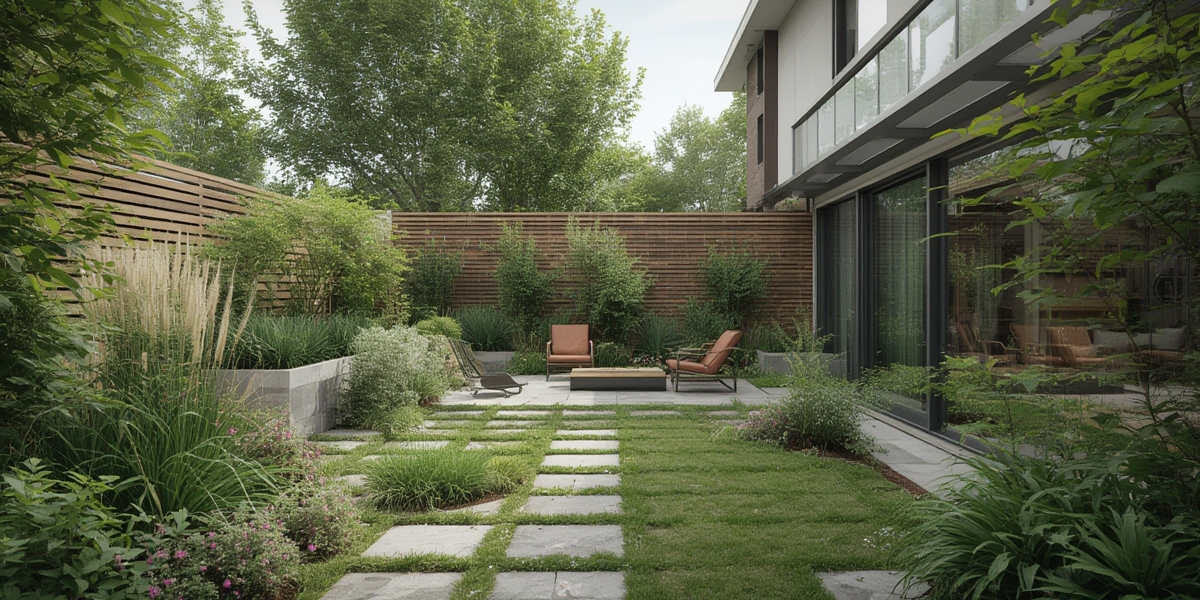
Welcome to the world of minimalist modern gardening! If you’re a beginner looking to create a sleek, low‑maintenance oasis, you’ve come to the right place. This guide walks you through simple, data‑driven ideas that blend clean design with practical planting strategies. By the end, you’ll have a clear roadmap for turning any small space—whether a balcony, patio, or modest yard—into a stylish, functional garden that reflects modern minimalism.
Why Choose Minimalist Modern Gardening?
Minimalist modern gardening focuses on simplicity, clean lines, and purposeful plant choices. Research shows that gardens with fewer, well‑selected elements tend to be easier to maintain and more visually appealing to the eye. For beginners, this approach reduces overwhelm, cuts down on water usage, and makes it easier to spot problems early.
Key Benefits
- Less maintenance: Fewer plant varieties mean fewer specific care requirements.
- Cost‑effective: You’ll spend less on soil, pots, and fertilizers.
- Space‑efficient: Clean, geometric layouts maximize limited areas.
- Eco‑friendly: Streamlined watering and mulching reduce waste.
Getting Started: Planning Your Minimalist Garden
Before you dig in, a solid plan will save you time and money. Follow these data‑backed steps to set the foundation for success.
1. Assess Sunlight and Soil
Use a simple sunlight chart: observe each spot for at least three days, noting morning, midday, and afternoon light. Record the hours of direct sun—most minimalist modern plants thrive in 4–6 hours of sunlight. Test soil pH with a home kit; aim for a neutral range (6.5–7.0) for most popular choices.
2. Choose a Cohesive Color Palette
Data from garden design surveys reveal that monochromatic or analogous color schemes (e.g., greens with soft grays) create a calm, modern feel. Pick two to three plant colors and stick to them throughout the space.
3. Map Out Geometry
Modern minimalism loves clean lines. Sketch a simple layout using graph paper or a free digital tool. Incorporate straight rows, rectangular beds, or circular planters that echo architectural elements of your home.
Essential Plant Selections for Beginners
Here are five low‑maintenance plants that fit the minimalist modern aesthetic while delivering reliable performance.
1. Carex (Sedge)
With its fine, grass‑like foliage, Carex adds texture without overwhelming color. It tolerates a range of light conditions and requires only occasional watering.
2. Lavandula angustifolia (English Lavender)
Lavender offers a muted purple hue, a pleasant scent, and drought tolerance. Prune lightly after flowering to maintain a tidy shape.
3. Hosta ‘Patriot’
Hostas provide broad, glossy leaves in shades of green and white. They thrive in shade, making them perfect for corners that receive less sun.
4. Sedum ‘Dragon’s Blood’
This succulent’s deep red stems create a striking contrast against neutral greens. It’s virtually foolproof—water sparingly and it will flourish.
5. Fescue (Fine‑leaf Grass)
Using ornamental grasses like fescue adds movement and a modern edge. They are hardy, low‑maintenance, and can be mowed to keep a tidy appearance.
Practical Tips for Minimalist Modern Gardening Success
Use Uniform Containers
Choose containers in the same material (e.g., matte concrete or sleek metal) and color palette. Uniform pots reinforce the clean, cohesive look.
Incorporate Mulch
Applying a thin layer of light-colored gravel or fine bark mulch reduces weed growth, conserves moisture, and adds a subtle texture that complements minimalist design.
Implement a Simple Irrigation System
Drip lines or a small soaker hose set on a timer can automate watering, ensuring consistent moisture without over‑watering. Data shows that automated systems cut water usage by up to 30%.
Prune with Purpose
Regularly trim back dead foliage and shape plants to maintain clean lines. A quick monthly check keeps the garden looking intentional rather than overgrown.
Rotate Seasonal Accents
Swap a few decorative elements—like a sleek metal sculpture or a set of monochrome garden lights—each season to keep the space fresh without adding new plants.
Common Mistakes to Avoid
1. Overcrowding Plants
Minimalist design thrives on negative space. Plant spacing guidelines (usually 12–18 inches for most perennials) prevent competition for water and nutrients.
2. Ignoring Soil Health
Even low‑maintenance gardens need well‑draining soil. Amend with compost or a light sand mix if your soil test shows poor structure.
3. Choosing Too Many Varieties
While variety can be appealing, too many species increase maintenance complexity. Stick to a curated list of 5–7 plants to keep care simple.
4. Neglecting Light Patterns
Planting sun‑loving species in shade (or vice versa) leads to weak growth. Double‑check your sunlight assessment before final placement.
5. Skipping Regular Maintenance
Even minimalist gardens need routine checks. Set a weekly schedule for watering, pruning, and inspecting for pests to avoid larger issues later.
Step‑by‑Step Mini Project: A 4‑Square Patio Garden
Here’s a quick, beginner‑friendly project that puts the principles into practice.
- Measure and Mark: Divide your patio into four equal squares using string or chalk.
- Prepare Soil: Fill each square with a 2‑inch layer of high‑quality potting mix blended with compost.
- Plant Selection: Place Carex in the top‑left, lavender in the top‑right, hosta in the bottom‑left, and Sedum ‘Dragon’s Blood’ in the bottom‑right.
- Add Uniform Containers: Use matte concrete pots of the same size for each plant.
- Mulch and Water: Spread a thin layer of light gravel mulch and install a drip line set to water twice a week.
- Prune and Enjoy: After the first month, trim any stray growth to keep lines crisp.
This simple layout demonstrates how minimalist modern gardening can transform a modest space into a stylish retreat with minimal effort.
Conclusion
Minimalist modern gardening ideas for beginners blend aesthetic elegance with practical simplicity. By focusing on a limited color palette, clean geometry, and a handful of resilient plants, you can create a garden that looks intentional and stays low‑maintenance. Remember to assess sunlight, use uniform containers, and keep a regular maintenance routine. Avoid common pitfalls like overcrowding and neglecting soil health, and you’ll enjoy a tranquil, modern garden that enhances your home’s style for years to come.