
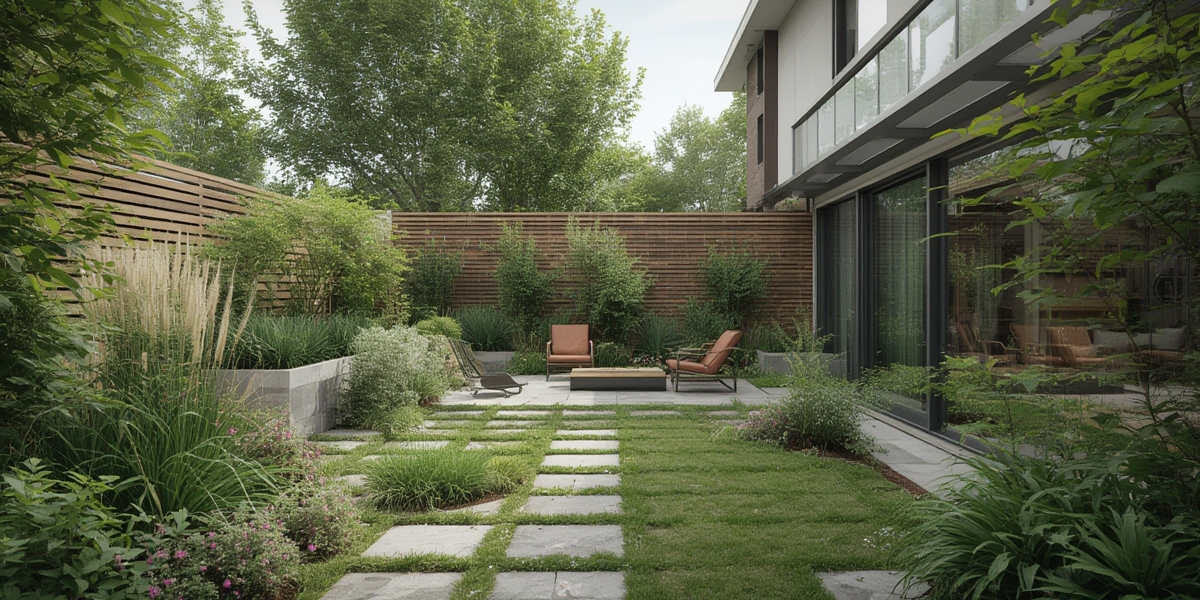
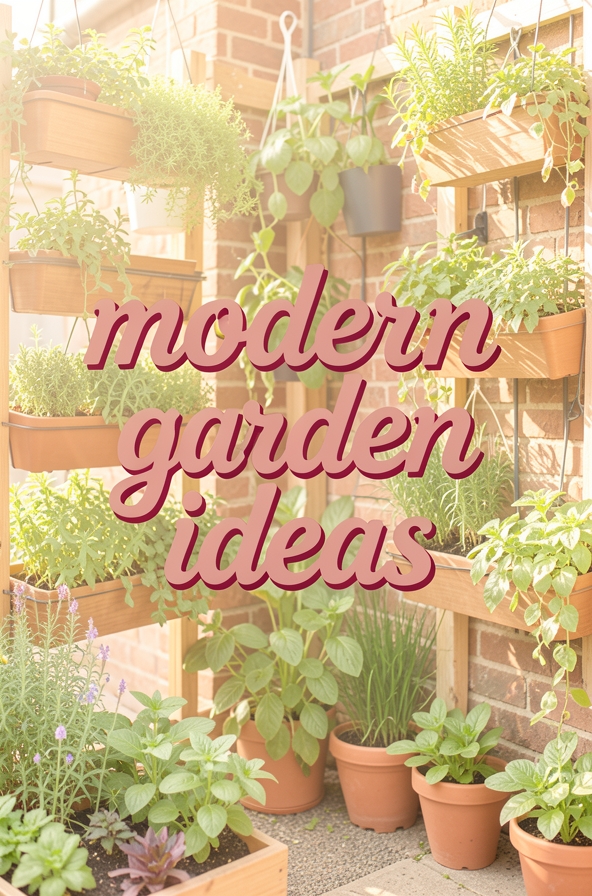
Welcome to the world of modern gardening! Whether you have a tiny balcony, a modest backyard, or a spacious patio, you can transform any outdoor space into a stunning, contemporary oasis. This guide walks you through every step of how to create a beautiful modern garden at home, from planning and choosing the right plants to adding sleek hard‑scape elements. Even if you’re just starting out, the tips and tricks below will help you design a garden that feels fresh, stylish, and uniquely yours.
1. Start with a Clear Vision
Before you pick up a shovel, spend a few minutes visualizing the look you want. Modern gardens are characterized by clean lines, minimal clutter, and a balanced mix of textures. Consider these questions:
- Do you prefer a monochrome palette or a splash of bold color?
- Will the space be primarily for relaxation, entertaining, or growing food?
- How much sunlight does the area receive throughout the day?
Sketch a simple layout on paper or use a free garden‑design app. Mark where you’d like pathways, seating, and planting zones. A clear plan saves time, money, and frustration later on.
2. Choose the Right Hardscape Elements
2.1 Clean‑Line Pathways
Modern gardens often feature straight or gently curving paths made from materials like concrete pavers, large stone slabs, or reclaimed wood. Keep the width consistent (usually 3‑4 feet for a comfortable walk) and use a single color or texture to maintain a cohesive look.
2.2 Minimalist Seating
Opt for low‑profile furniture with simple geometry—think metal or teak benches, a single lounge chair, or a sleek swing. Add a weather‑resistant cushion in a neutral tone to keep the space inviting without overwhelming the design.
2.3 Water Features & Lighting
A small, rectangular reflecting pool or a wall‑mounted fountain adds a calming auditory element while reinforcing the modern aesthetic. For lighting, choose recessed LED strips along pathways, solar‑powered spotlights on focal plants, or minimalist lanterns with clean metal finishes.
3. Selecting Plants for a Modern Look
3.1 Focus on Structure and Form
Choose plants with bold, architectural shapes. Examples include:
- Boxwood (Buxus sempervirens) – perfect for low hedges and geometric topiaries.
- Japanese maple (Acer palmatum) – offers striking foliage and a sculptural silhouette.
- Agave or Yucca – succulent forms that add texture and drought tolerance.
3.2 Color Palette
Modern gardens often stick to a restrained color scheme. Use a base of greens and neutrals, then introduce accent colors sparingly—perhaps a few lavender spikes, deep burgundy foliage, or bright yellow blossoms.
3.3 Seasonal Interest
Plan for year‑round appeal by mixing evergreen foliage (e.g., Holly, Ferns) with seasonal bloomers (e.g., Salvia in summer, Witch Hazel in winter). This ensures your garden looks vibrant no matter the month.
4. Soil Preparation and Planting Techniques
4.1 Test and Amend the Soil
Start with a simple soil test kit to check pH and nutrient levels. Modern gardens often use well‑draining, loamy soil. Amend heavy clay with compost and coarse sand, or improve sandy soil with organic matter to retain moisture.
4.2 Planting for Longevity
When placing plants, consider their mature size and growth habit. Space them according to the label’s recommendations to avoid overcrowding, which can lead to disease and a messy appearance. Group plants with similar water needs together to simplify irrigation.
4.3 Mulching for Clean Lines
A thin layer of fine bark mulch or gravel not only suppresses weeds but also reinforces the modern aesthetic by creating a uniform, tidy surface. Reapply annually to maintain depth and visual consistency.
5. Practical Maintenance Tips
- Water Wisely: Install a drip‑irrigation system with a timer. This delivers water directly to the root zone, reduces waste, and keeps the garden looking neat.
- Prune Regularly: Trim hedges and structural plants to maintain crisp lines. Use clean, sharp tools to avoid ragged cuts.
- Weed Early: Pull weeds when they’re small; they’re easier to remove and less likely to compete with your chosen plants.
- Seasonal Clean‑up: In fall, remove spent foliage and refresh mulch. In spring, inspect for pests and apply a light organic fertilizer if needed.
6. Common Mistakes to Avoid
6.1 Overcrowding Plants
Trying to fill every inch with foliage can quickly turn a modern garden into a chaotic mess. Stick to the plan, respect each plant’s space, and remember that negative space is a key design element.
6.2 Ignoring Light Levels
Placing shade‑loving plants in full sun (or vice versa) leads to poor growth and wasted effort. Use a sunlight chart or observe the area at different times of day before finalizing plant placement.
6.3 Neglecting Hardscape Maintenance
Cracked pavers, mossy stones, or faded paint can undermine the sleek look. Sweep pathways regularly, seal stone surfaces annually, and touch up metal fixtures to keep them rust‑free.
6.4 Over‑watering or Under‑watering
Both extremes stress plants and can cause root rot or drought stress. A moisture meter can help you gauge when the soil truly needs water, especially in containers.
7. Bringing It All Together
Creating a beautiful modern garden at home is a rewarding blend of thoughtful design, purposeful plant selection, and consistent care. By starting with a clear vision, using clean hardscape elements, and choosing structured plants, you’ll achieve a space that feels both contemporary and welcoming. Remember, the beauty of a modern garden lies in its simplicity—let each element breathe, and let the garden evolve naturally over time.
Conclusion
Even as a beginner, you have everything you need to craft a stylish, low‑maintenance garden that reflects modern design principles. Follow the step‑by‑step process outlined above, avoid common pitfalls, and enjoy watching your outdoor sanctuary grow. With patience and a little creativity, your home will soon boast a garden that not only looks gorgeous but also becomes a favorite spot for relaxation, entertaining, and connecting with nature.