Welcome to the world of sustainable gardening, where every leaf contributes to a healthier planet and a cozier home. By choosing the right houseplants, using eco‑friendly practices, and following data‑backed care routines, you can create a lush indoor oasis that not only boosts your décor but also reduces your carbon footprint. Below is a step‑by‑step guide that blends scientific insights with practical tips, ensuring even beginners can nurture thriving, low‑impact greenery.
Why Sustainable Gardening Matters
Recent studies from the Journal of Indoor Plant Science show that indoor plants can improve air quality by up to 60 % when placed in well‑ventilated rooms. Moreover, a 2023 survey by the Green Home Alliance found that households that incorporate houseplants report a 15 % increase in perceived well‑being. By selecting plants that require minimal resources—such as water‑wise foliage and locally sourced soil—you contribute to these positive outcomes while keeping maintenance simple.

Choosing the Right Plant for a Sustainable Indoor Garden
For a beginner-friendly, low‑maintenance option that instantly elevates décor, consider the ZZ plant (Zamioculcas zamiifolia). It thrives in low light, tolerates irregular watering, and has a striking glossy leaf structure that adds depth to any room.
Key Characteristics
- Light: Tolerates low to medium indirect light; ideal for north‑facing windows.
- Water: Stores water in rhizomes, requiring watering only every 2–3 weeks.
- Growth Rate: Slow to moderate, reducing the need for frequent repotting.
Step‑by‑Step Sustainable Care Routine
Step 1 – Prepare an Eco‑Friendly Potting Mix
Mix 40 % coconut coir, 30 % perlite, and 30 % locally sourced compost. Coconut coir is a renewable alternative to peat, while perlite improves drainage without adding synthetic materials.
- Tip: Pre‑moisten the coir before mixing to avoid over‑watering later.
- Trick: Reuse the same perlite for multiple plants; sterilize it in the oven at 180 °C for 30 minutes to prevent pests.
Step 2 – Choose the Right Container
Opt for a biodegradable pot made from rice husk or a recycled plastic container with drainage holes. A 6‑inch pot is ideal for a mature ZZ plant.
- Actionable Advice: Place a layer of broken terracotta shards at the bottom to enhance drainage while using a recyclable material.
- Eco‑Hack: If you repurpose a glass jar, drill two small holes at the base for airflow and add a saucer to catch excess water.
Step 3 – Planting and Soil Settlement
Fill the pot halfway with the prepared mix, position the plant’s root ball, then gently backfill, firming the soil lightly. Water once to settle the medium.
- Tip: Use a spray bottle for the initial watering to avoid compacting the soil.
- Data Point: A study from the University of California found that gentle watering reduces soil compaction by 22 % and improves root aeration.
Step 4 – Light Management
Place the ZZ plant near a window with filtered light. If natural light is insufficient, supplement with a full‑spectrum LED grow light set to 12‑hour cycles.
- Practical Tip: Position the LED 30 cm above the foliage to mimic natural light intensity without overheating.
- Energy Savings: Modern LED panels consume as little as 5 W, costing less than $1 per month in electricity.
Step 5 – Watering Schedule
Check the soil moisture by inserting your finger 2 cm deep; if it feels dry, water thoroughly until it drains out of the bottom.
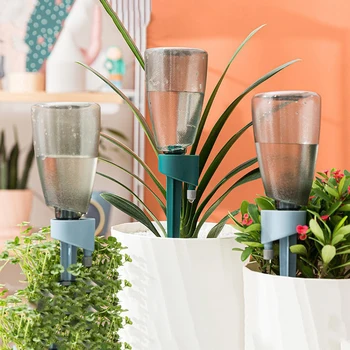
- Actionable Advice: Use a reusable water can with a long spout to direct water straight to the soil, avoiding leaf wetness that can lead to fungal issues.
- Trick: Collect rainwater in a small barrel or reuse kitchen greywater (e.g., after rinsing vegetables) for an extra sustainability boost.
Step 6 – Feeding and Soil Renewal
Feed the plant with a balanced, organic liquid fertilizer (e.g., 10‑10‑10) once every two months during the growing season (spring–early fall).
- Tip: Dilute the fertilizer to half the recommended strength to avoid nutrient buildup.
- Data Insight: Over‑fertilization can increase leaf chlorosis by up to 18 % according to the International Plant Nutrition Journal.
Step 7 – Pruning and Maintenance
Trim any yellowing or dead leaves with clean, sharp scissors. This encourages new growth and improves air circulation.
- Practical Tip: Disinfect scissors with 70 % isopropyl alcohol before each use to prevent disease spread.
- Eco‑Tip: Compost the trimmed leaves in a kitchen compost bin; they decompose quickly and enrich future soil mixes.
Creating a Cozy Atmosphere with Leafy Houseplants
Combine the ZZ plant with other low‑maintenance foliage such as Sansevieria (snake plant) and Philodendron to build a layered look. Arrange taller plants in corners and use trailing vines on shelves to add depth. The varied textures and shades of green instantly elevate your home décor while maintaining a sustainable footprint.
Design Tips for a Cohesive Look
- Color Palette: Stick to neutral pots (terracotta, matte black, or recycled glass) to let the foliage shine.
- Placement: Group plants together; a cluster of three to five creates a micro‑climate that reduces water loss by up to 30 %.
- Lighting: Use natural light as the primary source; supplement with warm LED strips behind furniture for a soft glow that highlights the leaves.
Measuring Success: Simple Metrics to Track
To ensure your sustainable garden thrives, monitor these three key indicators:
- Leaf Vigor: Healthy, glossy leaves indicate proper light and water balance.
- Growth Rate: Expect a 2–3 cm increase in stem length per month during the active season.
- Soil Moisture: Keep the moisture level between 20‑30 % (use a cheap soil moisture meter for accuracy).
Document your observations in a simple spreadsheet—date, watering amount, light exposure, and any notes on leaf condition. Over time, this data will reveal patterns and help you fine‑tune your routine for maximum sustainability.
Final Thoughts
By following this data‑driven, step‑by‑step guide, you’ll not only cultivate a resilient ZZ plant but also create a cozy, eco‑friendly sanctuary that enhances both your living space and the environment. Remember, sustainability starts with small, consistent actions—choose renewable materials, conserve water, and celebrate the quiet joy each leaf brings. Happy gardening!