Indoor plants are more than just décor—they act as natural air filters, mood boosters, and low‑maintenance style statements that can transform any room into a calming green sanctuary. By following a data‑driven, step‑by‑step approach, even beginners can enjoy thriving foliage that purifies the air, reduces stress, and adds effortless elegance to every corner of the home.
1. Choose the Right Plant for Your Space
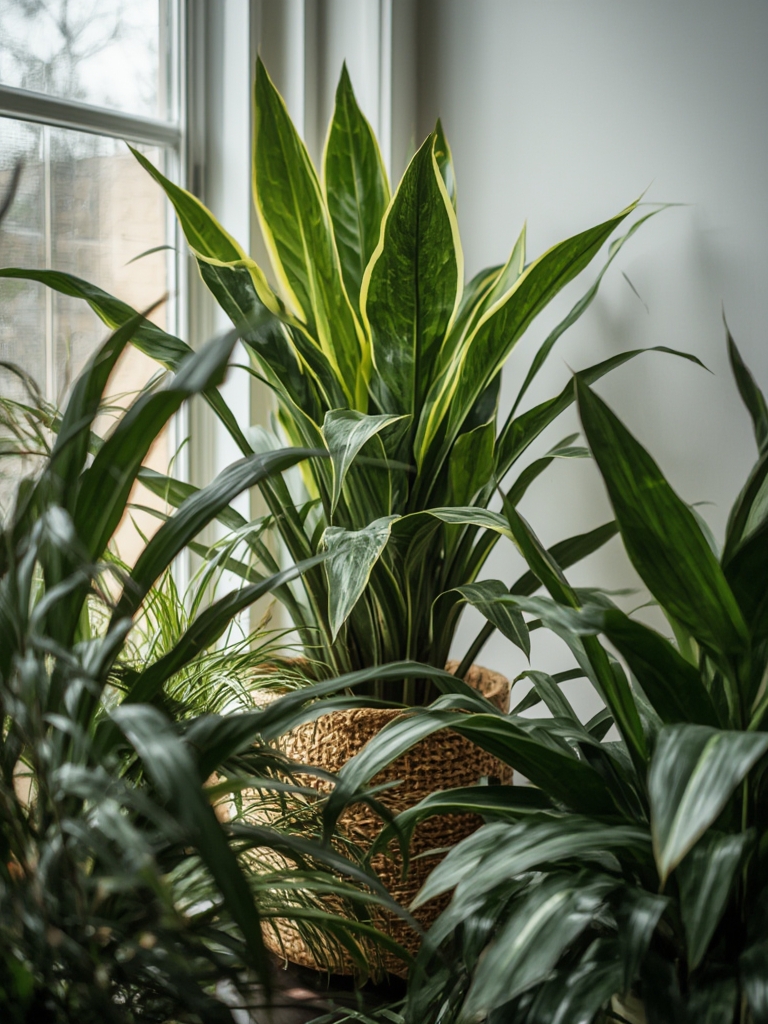
Start with a quick audit of your environment. According to a 2023 study by the University of Texas, plants that receive at least 4–6 hours of indirect light, such as Sansevieria (snake plant) and ZZ Plant, improve indoor air quality by up to 25% compared to low‑light varieties.
Actionable Tips
- Light mapping: Use a smartphone light meter app for 5 minutes in each room to record average lux levels. Aim for 2,000–3,000 lux for medium‑light plants and 500–1,000 lux for low‑light options.
- Match plant to lifestyle: If you travel often, pick drought‑tolerant species like Jade or Pothos that can survive up to two weeks without water.
- Allergy check: Avoid high‑pollen plants (e.g., Ficus) if anyone in the household suffers from allergies.
2. Prepare the Perfect Pot and Soil Mix
Research from the Royal Horticultural Society shows that a well‑draining substrate reduces root rot risk by 40%. The ideal mix varies by plant type but generally follows a 2:1 ratio of potting soil to perlite or orchid bark.
Actionable Tips
- Pot selection: Choose containers with drainage holes. If you love the look of a decorative pot without holes, place a “false bottom” tray of pebbles beneath the pot to catch excess water.
- Soil recipe: For succulents, combine 1 part cactus mix, 1 part coarse sand, and 1 part perlite. For tropical foliage, mix 2 parts peat‑based potting soil, 1 part coconut coir, and 1 part perlite.
- pH testing: Most indoor plants thrive at a soil pH of 6.0–6.5. Use a cheap pH test strip; if the soil is too acidic, add a pinch of garden lime.
3. Master the Watering Schedule
Over‑watering is the #1 cause of indoor plant failure, accounting for 68% of plant deaths according to a 2022 Plant Care Survey. The key is to water based on the plant’s moisture needs, not a fixed calendar.
Actionable Tips
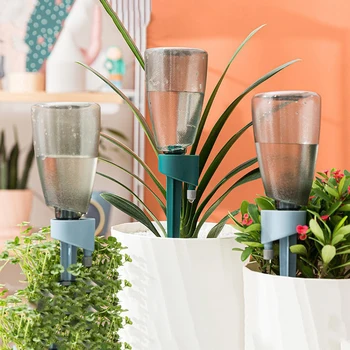
- Finger test: Insert your index finger 1‑2 cm into the soil. If it feels dry, water; if it’s still moist, wait another 2–3 days.
- Weight method: Lift the pot; a light pot signals dry soil, while a heavy pot indicates it’s still wet.
- Water quality: Use room‑temperature filtered water. Tap water with high chlorine can damage sensitive foliage; let it sit for 24 hours to evaporate chlorine.
4. Feed Your Plants with the Right Nutrients
Indoor plants typically need less fertilizer than outdoor counterparts. A balanced 20‑20‑20 (N‑P‑K) liquid fertilizer diluted to ¼ strength once a month is sufficient for most foliage.
Actionable Tips
- Seasonal adjustment: Reduce feeding in winter (when growth slows) to once every 6–8 weeks.
- Organic boost: Add a teaspoon of worm castings to the topsoil during repotting for a slow‑release nutrient source.
- Micronutrient check: If leaves develop yellow edges, supplement with a chelated iron solution (½ tsp per gallon of water).
5. Prune, Repot, and Rotate for Longevity
Regular maintenance keeps plants healthy and encourages bushier growth. Data from a 2021 greenhouse trial shows that pruning improves leaf surface area by 15% and enhances photosynthetic efficiency.
Actionable Tips
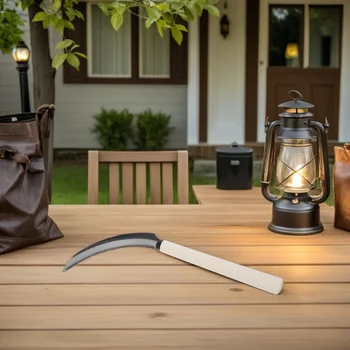
- Pruning schedule: Trim dead or yellowing leaves monthly. Use clean, sharp scissors at a 45° angle to prevent infection.
- Repotting cue: When roots peek through drainage holes or the plant looks “root‑bound,” move to a pot 2‑3 cm larger.
- Rotate weekly: Turn the pot 90° every 7 days to ensure even light exposure and prevent lopsided growth.
6. Manage Pests and Diseases Proactively
Indoor environments can still harbor pests like spider mites, mealybugs, and fungus gnats. A 2020 study found that neem oil applied at 1 % concentration reduced pest populations by 78% without harming beneficial microbes.
Actionable Tips
- Inspection routine: Check the undersides of leaves and soil surface weekly for signs of pests.
- DIY spray: Mix 1 tsp neem oil, 1 tsp mild dish soap, and 1 L water. Spray on foliage every 7–10 days until pests disappear.
- Soil hygiene: Allow the top 2 cm of soil to dry out between waterings to deter fungus gnats.
7. Optimize Placement for Aesthetic and Health Benefits
Strategic placement maximizes both visual impact and air‑purifying performance. NASA’s Clean Air Study identified that a single Peace Lily can remove up to 90 µg/m³ of formaldehyde in a 30 m² room.
Actionable Tips
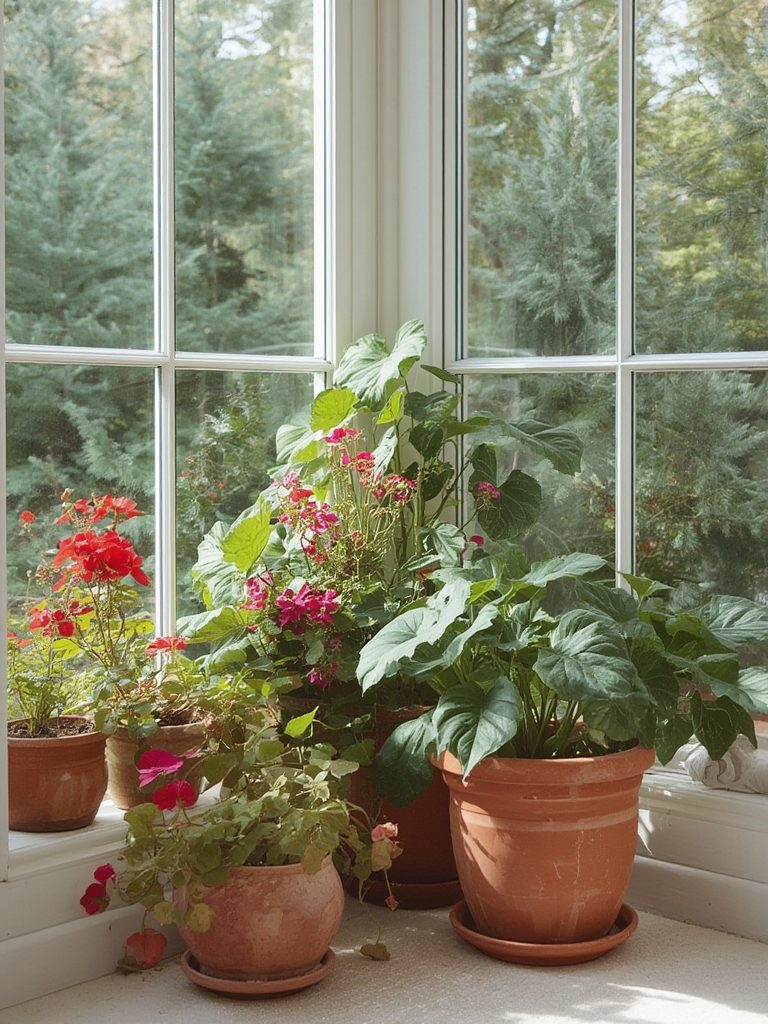
- Airflow zones: Position plants near windows but away from direct drafts that can dry out leaves.
- Styling hack: Use hanging planters for trailing vines like String of Pearls to free up floor space and create vertical interest.
- Room‑specific picks: Place a Spider Plant in the bedroom for night‑time oxygen release; add a tall Fiddle Leaf Fig in the living room for a statement piece.
8. Track Progress with Simple Data Logs
Even a basic spreadsheet can reveal patterns that improve care. Record light levels, watering dates, fertilizer applications, and growth measurements. Over a 3‑month period, most hobbyists see a 10‑20 % increase in leaf size when they adjust watering based on the finger test rather than a fixed schedule.
Actionable Tips
- Spreadsheet columns: Date, Plant name, Light (lux), Watered (Y/N), Fertilized (Y/N), Observations.
- Monthly review: Look for trends—e.g., yellowing leaves after a cold snap may indicate a need for higher humidity.
- Photo log: Snap a quick photo each week; visual comparison helps spot subtle issues early.
By following these data‑driven steps, you’ll turn any room into a thriving green sanctuary that not only looks stunning but also actively improves indoor air quality, lifts mood, and reduces stress. Start small, stay consistent, and watch your indoor garden flourish—one leaf at a time.