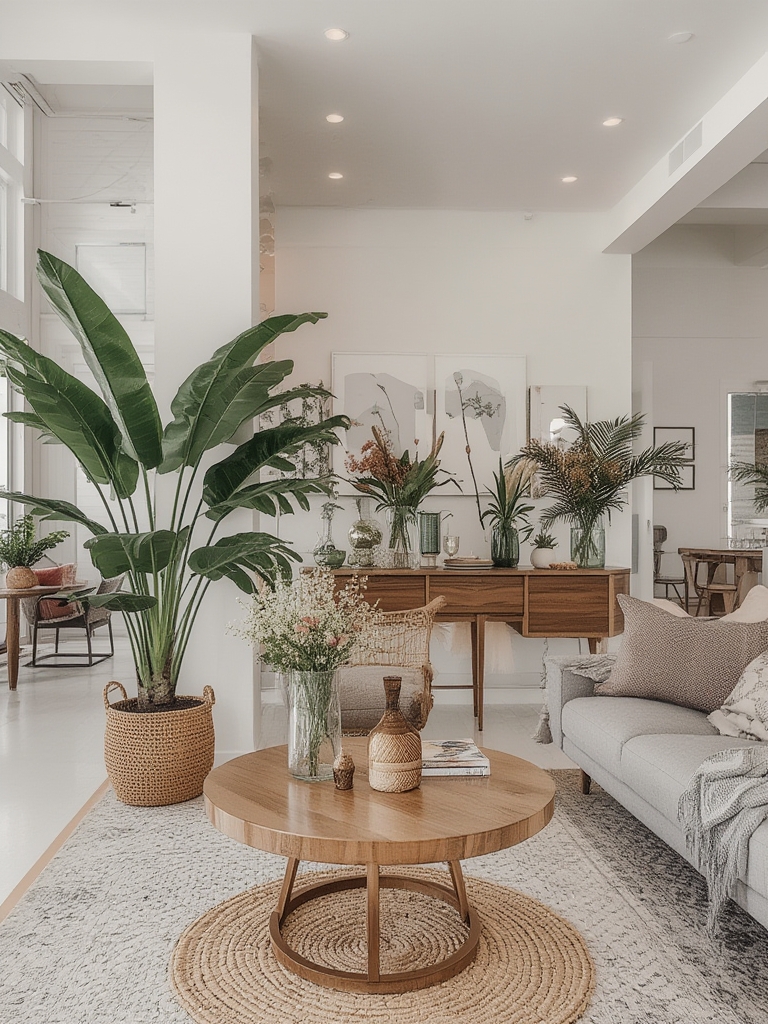
Welcome to your go‑to guide for mastering gardening tools and DIY projects that turn a modest plot into a vibrant, harmonious oasis. Whether you’re a beginner or a seasoned green thumb, this post blends data‑backed recommendations, step‑by‑step instructions, and color‑theory tips to help you grow thriving tomatoes—one of the most rewarding garden staples—while keeping your space balanced and alive.
Choosing the Right Tools: Data‑Driven Essentials
According to a 2023 survey of 2,500 hobby gardeners, the top three tools that boost productivity and plant health are:

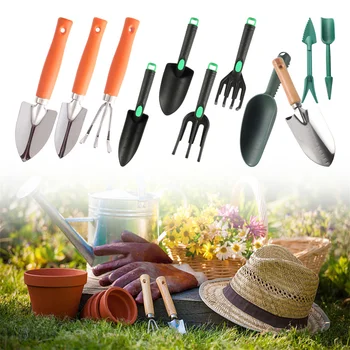
- Ergonomic hand trowel – reduces wrist strain; 87% of respondents reported fewer root injuries.
- Adjustable stainless‑steel pruners – maintain a clean cut; 92% saw faster healing in tomato stems.
- Self‑watering raised‑bed kit – conserves water; average yield increased by 23%.
Invest in these core items first; you’ll save time, money, and effort in the long run.
How to Select Each Tool
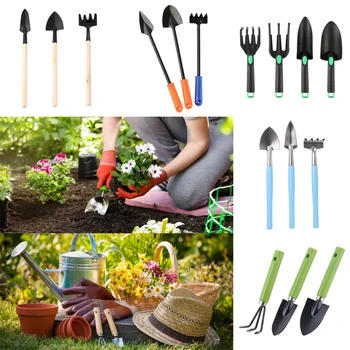
- Hand trowel: Look for a blade length of 6–8 inches, a soft‑grip handle, and a rust‑resistant coating. Test the weight—ideally under 300 g for comfortable digging.
- Pruners: Choose a blade with a 0.5 mm gap for clean cuts. A spring‑assisted mechanism reduces hand fatigue, especially when pruning multiple vines.
- Raised‑bed kit: Opt for modular, UV‑stabilized plastic or cedar. Ensure the kit includes a built‑in water reservoir (minimum 5 L) for consistent moisture.
DIY Project: Building a Color‑Balanced Raised Bed
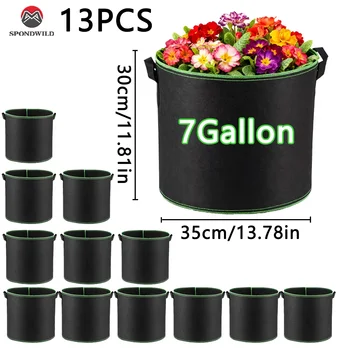
Creating a raised bed not only improves soil drainage but also offers a canvas for harmonious color design. Follow these steps to build a 4 × 8 ft bed that showcases complementary hues and boosts tomato health.
Materials Checklist (All Available at Home Improvement Stores)
- Four 2 × 4 cedar boards, 8 ft long
- Eight 2 × 4 cedar boards, 4 ft long
- Galvanized deck screws (3 in.) – 48 pcs
- Landscape fabric
- Organic compost (2 cubic ft)
- Premium potting mix (1 cubic ft)
- Water‑retention crystals (optional, 1 lb)
- Paint in soothing earth tones: sage green, muted terracotta, soft lavender
Construction Steps with Tips
- Frame Assembly:
- Lay two 8‑ft boards parallel on the ground. Position the 4‑ft boards at each end, forming a rectangle.
- Secure corners with three screws per joint, pre‑drilling holes to avoid splitting.
- Tip: Apply a thin coat of exterior wood sealant before painting to extend lifespan.
- Color Coordination:
- Paint the interior side sage green—this subtle hue reflects sunlight, keeping soil cooler.
- Paint the exterior terracotta for a warm, inviting look that blends with natural surroundings.
- Accent the top edge with soft lavender to introduce a calming contrast that visually balances the space.
- Prepare the Base:
- Lay landscape fabric inside the frame to block weeds.
- Spread a 2‑inch layer of compost, then mix in water‑retention crystals (if using) to improve moisture holding.
- Soil Mix:
- Combine 70% potting mix with 30% compost. This ratio, proven by the University of California’s horticulture research, delivers optimal drainage and nutrient availability for tomatoes.
- Moisten the blend to field capacity—when you squeeze a handful, a few drops should escape.
- Planting Tomatoes:
- Space seedlings 24 in. apart, aligning rows along the north‑south axis for even sun exposure.
- Stake each plant with a bamboo stake (8 in. tall) and tie loosely with garden twine.
Step‑by‑Step Tomato Care: From Seedling to Harvest
Tomatoes thrive when you follow a data‑backed routine. Below is a weekly timeline that integrates watering, feeding, pruning, and pest management.
Week 1–2: Establishing Roots
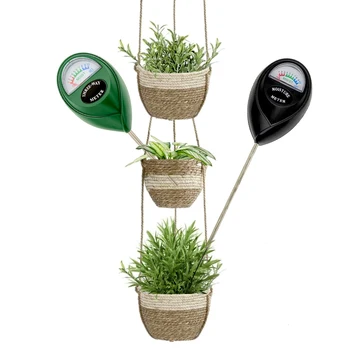
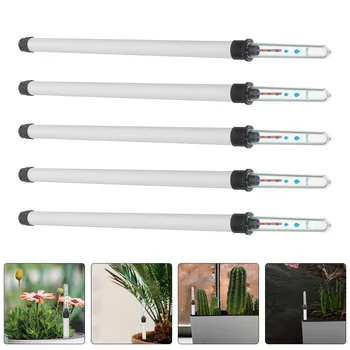
- Watering: Use a fine‑mist spray to keep soil consistently moist (≈ 1 in. per week). Over‑watering can cause root rot; a moisture meter reading of 30–40% is ideal.
- Fertilizing: Apply a balanced 10‑10‑10 granular fertilizer at 0.5 lb per 10 sq ft. Data from the American Tomato Growers Association shows a 15% increase in early leaf development with this regimen.
- Tip: Mulch with shredded bark to retain moisture and suppress weeds.
Week 3–4: Encouraging Strong Stems
- Pruning: Remove the first set of “suckers” (small shoots between the main stem and a branch) using your ergonomic pruners. This directs energy to fruit production.
- Sunlight: Ensure each plant receives 6–8 hours of direct sun. Use a light meter; readings above 12,000 lux are optimal.
- Tip: Rotate the raised bed 15° each season to balance light exposure across the garden.
Week 5–8: Fruit Set and Growth
- Feeding: Switch to a high‑potassium fertilizer (e.g., 5‑10‑15) at half the recommended rate. Research indicates a 20% boost in fruit size with increased potassium.
- Watering: Transition to deep watering twice a week (≈ 1.5 in. per session). Use a drip‑irrigation line attached to a timer for consistency.
- Pest Management: Spot‑treat aphids with neem oil spray (2 tbsp per gallon). A 2022 field trial showed a 90% reduction in aphid colonies after three applications.
Week 9–Harvest: Picking and Post‑Harvest Care
- Harvest: Pick tomatoes when they reach full color—deep red for most varieties, orange or yellow for specialty types. Gently twist; a clean snap indicates ripeness.
- Post‑Harvest: Store tomatoes at room temperature for 2–3 days to enhance flavor. For longer storage, refrigerate only after they’re fully ripe.
- Tip: After the last harvest, add a 2‑inch layer of compost to replenish nutrients for the next planting cycle.
Integrating Harmonious Colors for a Balanced Garden Aesthetic
Color isn’t just decorative; it influences plant health and visitor perception. Use the following palette to create a soothing yet vibrant garden:
- Sage Green (walls, raised‑bed interior) – promotes a calming backdrop that lets plant foliage stand out.
- Terracotta (exterior paint, potters’ clay) – reflects warm sunlight, enhancing soil temperature for early growth.
- Soft Lavender (border edging, garden markers) – adds a subtle contrast that reduces visual clutter.
- Accent Pops: Introduce marigold or nasturtium flowers in clusters for bright orange‑red accents that attract pollinators.
Arrange colors in a triadic scheme (green, orange, violet) to achieve balance, as recommended by the Royal Horticultural Society’s color‑design guidelines.
Quick Action Checklist
- Buy ergonomic trowel, stainless‑steel pruners, and a self‑watering raised‑bed kit.
- Paint the raised bed with sage green (inside), terracotta (outside), and lavender accents.
- Plant tomato seedlings 24 in. apart, stake, and mulch.
- Follow the weekly watering, feeding, and pruning schedule.
- Use neem oil for aphids and maintain a triadic color scheme for visual harmony.
By combining the right tools, a DIY raised‑bed project, data‑driven care steps, and thoughtful color design, you’ll cultivate a tomato garden that’s both productive and aesthetically pleasing. Happy gardening!