Welcome to your ultimate guide on creating a thriving herbs & aromatic garden that not only delights the senses but also boosts your home’s curb appeal and SEO rankings. By blending data‑driven planting strategies with nature‑inspired color palettes, you’ll cultivate a garden that looks good on Instagram, attracts pollinators, and provides fresh flavor for your kitchen. Below you’ll find step‑by‑step instructions, practical tips, and actionable advice to ensure every herb flourishes from seed to harvest.
Step 1: Choose the Right Site and Soil
Assess Sunlight and Microclimate
Most culinary herbs need 6–8 hours of direct sunlight daily. Use a sunlight tracker app to log hourly sun exposure over a week. Aim for a spot that receives at least 6 hours of full sun and is protected from harsh winds.
- Data tip: Soil temperature above 55°F (13°C) promotes faster germination.
- Actionable advice: Place a small thermometer in the planting zone; if temperatures dip below 55°F in early spring, consider using a cold frame.
Test and Amend Soil
Herbs thrive in well‑draining, slightly alkaline soil (pH 6.5–7.5). Conduct a DIY soil test using a kit from a garden center or send a sample to a local extension service. Amend based on results:
- Low pH (acidic): Add lime at a rate of 1 lb per 100 sq ft.
- Heavy clay: Mix in 2–3 inches of coarse sand or perlite.
- Organic matter deficiency: Incorporate 2–3 inches of compost.
Pro tip: A 10‑minute compost tea soak before planting boosts microbial activity, leading to healthier root systems.
Step 2: Select Herbs That Complement Each Other
Companion Planting for Flavor and Pest Control
Pair herbs that enhance each other’s growth and deter pests. Data from the USDA Plant Hardiness Zone map shows the following combos perform best in zones 5–9:
- Basil + Tomato: Basil repels aphids and improves tomato flavor.
- Rosemary + Sage: Both love dry, well‑drained soil and deter cabbage moths.
- Mint (contained) + Lemon Balm: Mint’s aggressive growth is kept in a pot, while lemon balm attracts pollinators.
Seasonal Planting Calendar
Use a simple spreadsheet to track planting dates. Here’s a quick reference:
| Herb | Indoor Start | Outdoor Transplant | Harvest Window |
|---|---|---|---|
| Basil | 4 weeks before last frost | After soil reaches 60°F | 6–8 weeks |
| Thyme | Direct sow | Early spring | All season |
| Lavender | Late spring | After danger of frost | Mid‑summer onward |
| Chives | Early spring | Early spring | Year‑round |
Step 3: Design a Garden Color Palette Inspired by Natural Landscapes
Palette 1: Alpine Meadow 🌿
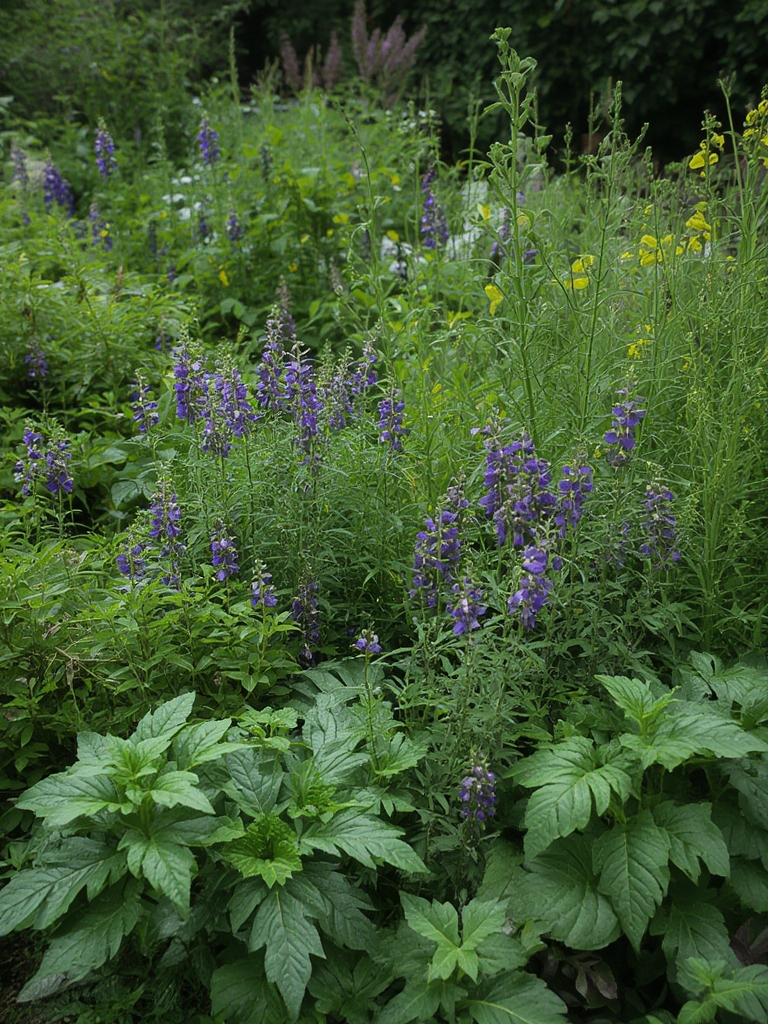
Combine silvery‑gray foliage (lavender, sage) with pops of violet (lavender) and soft green (thyme). This palette mimics high‑altitude meadows and works well in rock‑garden settings.

- Implementation tip: Plant lavender in the back, sage in the middle, and thyme as a ground cover.
- SEO keyword: “alpine herb garden design”
Palette 2: Mediterranean Sunset 🌅
Use warm, earthy tones: deep green rosemary, golden oregano, and ruby‑red oregano var. “Red” (if available). Add a few ornamental grasses for texture.
- Implementation tip: Group rosemary and oregano in sunny, dry zones; sprinkle ornamental grass around the perimeter for movement.
- SEO keyword: “Mediterranean aromatic garden ideas”
Palette 3: Forest Floor 🌲
Blend dark foliage (mint, catnip) with bright accents (basil, cilantro). This creates a lush, understory feel ideal for shaded corners.
- Implementation tip: Place mint in a raised container to prevent spreading; intermix cilantro for seasonal color.
- SEO keyword: “shade‑loving herb garden”
Step 4: Planting Techniques for Maximum Success
Spacing and Depth
Follow these spacing guidelines to ensure airflow and reduce disease risk:
- Basil – 12‑inches apart, ¼‑inch deep.
- Rosemary – 24‑inches apart, ½‑inch deep.
- Thyme – 8‑inches apart, surface‑sow lightly.
Quick hack: Use a garden ruler marked with herb names for fast, accurate spacing.
Watering Schedule
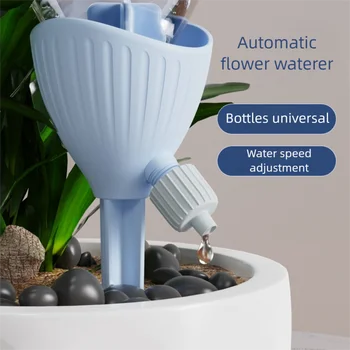
Herbs prefer consistent moisture without waterlogging. Implement a drip‑irrigation system set to 1 hour per week in summer, adjusting for rainfall.
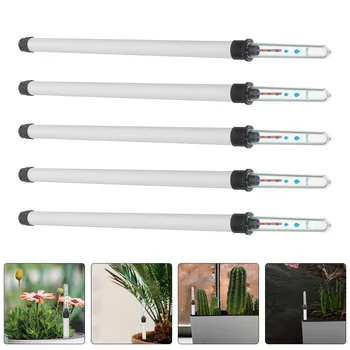
- Data tip: Soil moisture sensors (e.g., capacitive probes) can trigger automated watering, saving up to 30% water.
- Actionable advice: Mulch with shredded bark to retain moisture and suppress weeds.
Fertilization
Over‑fertilizing leads to weak flavor. Apply a balanced organic fertilizer (10‑10‑10) at half the recommended rate once a month during active growth.
- Pro tip: A monthly feeding of seaweed extract boosts essential micronutrients and enhances aromatic oils.
Step 5: Ongoing Care and Harvesting
Pruning for Growth
Regular pruning encourages bushier plants and more leaf production. Pinch back 1/3 of the top growth every 4–6 weeks.
- Practical tip: Use clean scissors; sterilize with rubbing alcohol to prevent disease spread.
- Harvest window: Harvest leaves in the morning after dew dries for peak flavor.
Pest Management
Monitor for common pests: aphids, spider mites, and whiteflies. Deploy these low‑impact solutions:
- Introduce ladybugs or lacewings (beneficial insects).
- Spray a neem oil solution (1 tsp per gallon) every 7–10 days.
- Plant marigolds at the garden edge to deter nematodes.
Winter Preparation
In zones 5–7, protect perennial herbs with a frost blanket or move potted rosemary and lavender indoors. Mulch heavily (4‑inches) around the base of hardy herbs like thyme and sage.
- Actionable tip: Label each pot with the herb name and last frost date for easy reference.
Step 6: Boosting SEO and Social Reach
Keyword Integration
Incorporate these high‑traffic keywords naturally throughout your post: “herb garden layout,” “aromatic garden design,” “how to grow basil,” “DIY garden color palette,” and “organic herb care.” Aim for a keyword density of 1‑2%.
Rich Media and Structured Data
Enhance engagement by adding:
- High‑resolution images of each color palette (use alt text like “Mediterranean aromatic garden sunset palette”).
- Step‑by‑step video tutorials embedded from YouTube with timestamps.
- Schema markup for
Recipe(herb-infused oil) andGardento improve SERP visibility.
Internal Linking Strategy
Link to related posts such as “Top 10 Companion Plants for Herbs” and “DIY Compost Bin for Gardeners.” This reduces bounce rate and signals topical authority to search engines.
Conclusion: Your Aromatic Garden Awaits
By following this data‑driven, step‑by‑step plan, you’ll create a herb and aromatic garden that’s both visually stunning and functionally rewarding. The blend of carefully chosen color palettes, precise planting techniques, and ongoing care ensures a resilient garden that thrives year after year. Remember to document your progress, share beautiful photos on social media, and keep your SEO strategy fresh—your garden will not only smell amazing but also rank high in search results!