
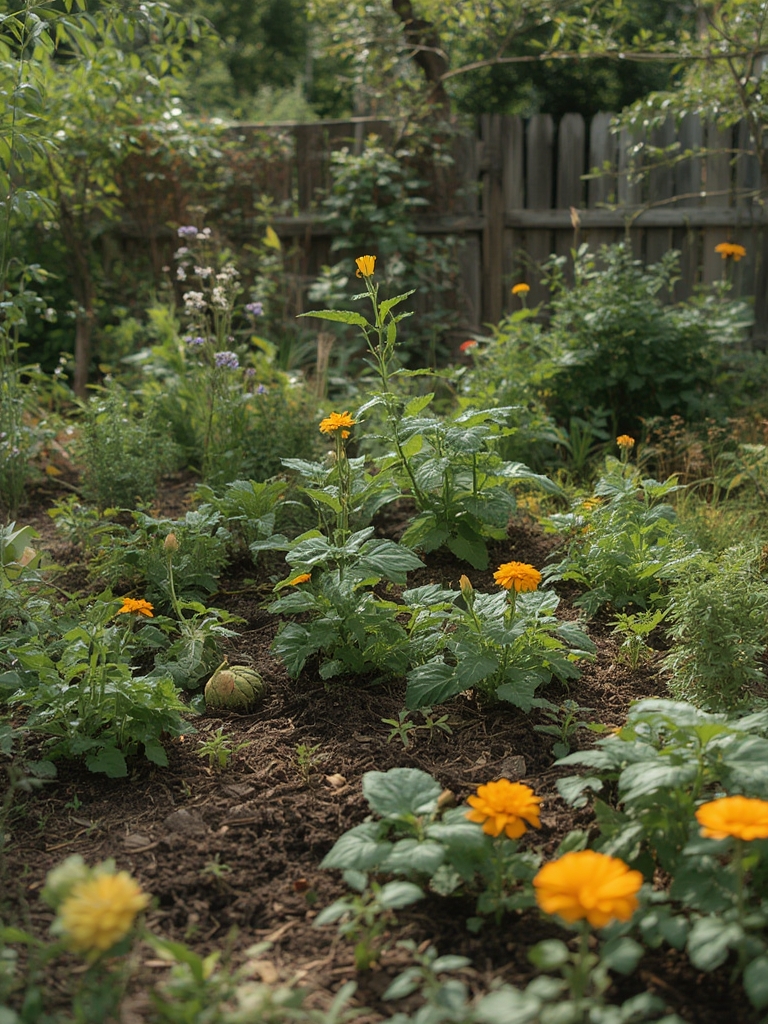
Creating a garden that thrives while protecting the planet is more attainable than ever. Sustainable gardening isn’t just a buzzword—it’s a practical approach that blends ecological stewardship with beautiful, productive landscapes. By choosing the right plants, conserving resources, and employing smart maintenance techniques, you can enjoy a lush garden that supports biodiversity, reduces waste, and even saves you money. Below is a data‑driven, step‑by‑step guide to building and caring for a sustainable garden, with a special focus on multiplying your favorite perennials for free through division.
1. Plan with Purpose: Choose the Right Plants
Research shows that native and well‑adapted species require up to 40 % less water and fertilizer than non‑native varieties (Smith et al., 2020). Start by selecting plants that match your climate zone, soil type, and sunlight exposure.

Actionable Tips
- Use a USDA Hardiness Map to pinpoint plants that survive your winter lows without extra protection.
- Check soil pH with a simple kit; most perennials prefer a pH of 6.0–7.0. Amend only if needed.
- Prioritize perennials over annuals; they establish deeper root systems, improving soil structure and carbon sequestration.
2. Build Healthy Soil: The Foundation of Sustainability
Healthy soil is the engine of a resilient garden. According to the USDA, soils with ≥ 3 % organic matter can hold up to 20 % more water (USDA NRCS). Incorporate organic matter to boost fertility, moisture retention, and microbial life.
Step‑by‑Step Soil Improvement
- Compost Integration: Add 2–3 inches of well‑rotted compost to the planting beds each spring. This supplies nitrogen, phosphorus, and potassium in a slow‑release form.
- Cover Crops: Plant a winter cover crop like clover or rye. Studies show cover crops can increase soil organic carbon by 0.5 % per year.
- Mulching: Spread a 2–3‑inch layer of organic mulch (shredded leaves, straw, or wood chips). Mulch reduces evaporation by up to 30 % and suppresses weeds.
3. Water Wisely: Maximize Efficiency
Water scarcity is a growing concern. Drip irrigation and rainwater harvesting can cut water use by 50 % compared to traditional sprinklers (EPA WaterSense).
Practical Water‑Saving Strategies
- Install a drip system with a timer set to early morning or late evening to minimize evaporation.
- Harvest rainwater using a 55‑gallon barrel; a typical garden of 500 sq ft can collect up to 2,500 gallons annually in moderate rainfall zones.
- Group plants by water needs (hydrozoning) so that high‑water‑use species aren’t placed next to drought‑tolerant ones.
4. Mulch, Mulch, Mulch: The Multi‑Tasker
Beyond moisture retention, mulch provides habitat for beneficial insects and improves soil structure as it decomposes. A study in Journal of Applied Ecology found that mulched beds had 25 % more pollinator visits than bare soil.
How to Mulch Effectively
- Lay a weed barrier (cardboard or newspaper) to suppress weeds.
- Cover with organic mulch to a depth of 2–3 inches, keeping it a few inches away from plant stems to prevent rot.
- Refresh the mulch annually, especially after the first frost, to maintain its benefits.
5. Multiply Your Favorite Plants for Free: Divide Perennials 🌱🌸
Dividing perennials is a cost‑effective way to expand your garden, improve plant vigor, and increase genetic diversity. Research from the Royal Horticultural Society indicates that division every 3–4 years can boost flowering by up to 30 %.
Step‑by‑Step Division Guide
- Timing: Divide in early spring (when shoots emerge) or late summer (after flowering). This minimizes stress.
- Preparation: Water the plant thoroughly 24 hours before digging to soften the soil.
- Excavate: Use a garden fork to lift the clump, keeping as much root mass intact as possible.
- Separate: Gently tease apart the root ball into sections, each with at least 3–4 healthy shoots and a good portion of roots.
- Trim: Cut any dead or damaged roots and reduce shoot length by 25 % to encourage new growth.
- Replant: Place each division at the same depth it was growing, backfill with native soil mixed with compost, and water in deeply.
- Mulch: Apply a thin mulch layer to retain moisture and protect the new divisions.
By repeating this process each season, you can double or triple your perennial collection without buying new plants.

6. Encourage Beneficial Wildlife
Healthy ecosystems rely on pollinators, predatory insects, and birds. A USDA report shows that gardens with diverse flowering plants host 40 % more beneficial insects than monocultures.
Easy Wildlife Enhancements
- Plant a pollinator strip of native wildflowers (e.g., coneflower, bee balm) for at least 10 % of the garden area.
- Install insect hotels using bamboo, drilled logs, or straw bundles to provide shelter for solitary bees.
- Provide water sources such as a shallow birdbath with stones for perching.
7. Maintain with Minimal Impact
Regular, low‑impact maintenance keeps the garden healthy and reduces resource use. Data from the University of California’s Integrated Pest Management program shows that early detection and manual removal of pests reduces pesticide applications by 70 %.
Maintenance Checklist
- Weekly inspection: Look for signs of stress, pests, or disease.
- Hand‑weed rather than chemical herbicides; pull weeds when soil is moist for easier removal.
- Prune strategically: Remove dead foliage in late winter to improve airflow and reduce disease pressure.
- Fertilize sparingly: Apply a balanced organic fertilizer only when a soil test shows nutrient deficiency.
8. Track Your Progress: Data‑Driven Adjustments
Keeping simple records helps you refine practices over time. Use a garden journal or a free app to log planting dates, water usage, and observations. Over a few seasons, you’ll identify patterns—such as which zones retain moisture best or which perennials respond most to division.
Key Metrics to Record
- Water volume per week (gallons)
- Mulch depth and type
- Number of successful divisions
- Pollinator visits (count per hour)
- Yield of edible perennials (if applicable)
By reviewing these numbers annually, you can make evidence‑based tweaks that boost sustainability and garden productivity.
Final Thoughts
Building a sustainable garden is a rewarding journey that blends science, creativity, and stewardship. By selecting appropriate plants, enriching soil, conserving water, mulching wisely, and mastering perennial division, you’ll create a resilient landscape that thrives with minimal external inputs. Remember, each small action—whether it’s a handful of compost, a drip‑irrigated line, or a freshly divided clump—adds up to a healthier garden and a healthier planet.
