Creating a thriving herb and aromatic garden is one of the most rewarding projects for both seasoned gardeners and beginners. Not only do fresh herbs add depth and flavor to your cooking, but their fragrant foliage also enhances the sensory experience of any outdoor space. By following a data‑driven approach—using soil‑test results, climate data, and smart watering technology—you can maximize yield, reduce waste, and keep your garden flourishing year‑round. Below you’ll find a step‑by‑step guide that blends scientific best practices with practical, actionable tips, so you can grow a lush, aromatic oasis with minimal effort.
1. Choose the Right Herbs for Your Climate
Start by matching herbs to your local hardiness zone and microclimate. Use USDA zone maps or regional climate data to identify which species thrive where. For example:
- Cool‑season herbs: mint, chives, parsley, and thyme perform best in zones 4‑8.
- Warm‑season herbs: basil, rosemary, sage, and oregano excel in zones 9‑11.
Tip: Plant a mix of both cool‑ and warm‑season varieties to extend your harvest window. If you live in a borderline zone, consider using raised beds or containers to control soil temperature.
Actionable Step
Check your zone on the USDA Hardiness Zone Finder, then list three herbs that match your zone. Mark them on a garden layout sketch.
2. Prepare Soil Using Data‑Driven Amendments
Healthy soil is the foundation of any herb garden. Conduct a simple soil test (available at most garden centers) to determine pH, nitrogen (N), phosphorus (P), and potassium (K) levels. Herbs generally prefer a slightly alkaline to neutral pH (6.5‑7.5). Based on the results:
- If pH is low, add agricultural lime at the recommended rate.
- If nitrogen is deficient, incorporate well‑composted manure or a balanced organic fertilizer (10‑10‑10).
- For phosphorus, use bone meal; for potassium, add wood ash sparingly.
Tip: Mix in 2–3 inches of coarse sand or perlite to improve drainage, especially for Mediterranean herbs like rosemary and thyme.
Actionable Step
After receiving your soil test results, calculate the amendment quantities using the package instructions, then spread them evenly across the planting area and work them into the top 8‑10 inches of soil.

3. Layout and Planting Design
Design your garden for both aesthetics and functionality. Group herbs with similar water and sunlight needs together to simplify care. Use a grid layout for easy access, or a curved design for a more natural look. Keep taller herbs (e.g., rosemary) on the north side to prevent shading of shorter varieties (e.g., basil).
Step‑by‑Step Planting
- Mark planting spots using a garden line or stakes, spacing according to each herb’s mature size (e.g., 12‑18 inches for basil, 24‑36 inches for sage).
- Dig holes twice the width of the root ball and just as deep.
- Set the plant at the same depth it was in its container; backfill with soil mixed with a handful of compost.
- Water thoroughly to settle soil around the roots.
Tip: Mulch with shredded bark or straw to retain moisture, suppress weeds, and maintain a stable soil temperature.
4. Implement an Automatic Watering System
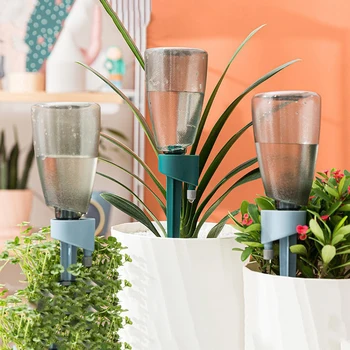
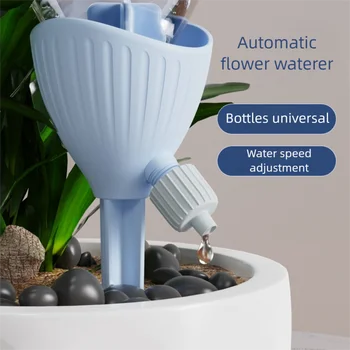
Smart irrigation saves both time and water—essential for a sustainable herb garden. Choose a drip‑line system with a timer and moisture sensor. According to the American Society of Agricultural and Biological Engineers, drip irrigation can reduce water use by up to 30 % compared to overhead sprinklers.
Installation Guide
- Plan the layout: Run drip tubing along each row, placing emitters (2–4 L/h) near the base of each plant.
- Connect a timer: Set it to water early morning (5–7 am) for optimal absorption and reduced evaporation.
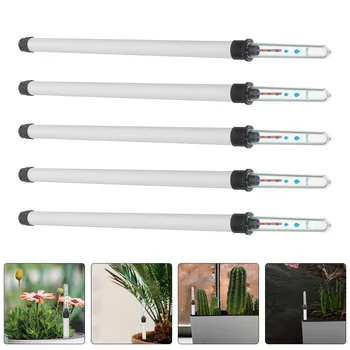
- Install a soil moisture sensor: Position it in a representative spot; the system will skip watering when moisture exceeds the preset threshold.
- Test the system: Run a short cycle and adjust emitter flow rates to ensure even distribution.
Tip: Pair the timer with a rain‑sensor module to automatically pause watering after significant rainfall.
5. Ongoing Care and Harvesting
Consistent maintenance keeps herbs productive:
- Pruning: Trim back 1/3 of growth weekly for fast‑growing herbs like basil to encourage bushier plants.
- Fertilizing: Apply a light dose of liquid seaweed extract every 4–6 weeks for micronutrients.
- Pest management: Use neem oil or insecticidal soap for aphids and spider mites; companion planting with marigold can deter many pests.
- Harvest timing: Cut leaves just before the plant flowers for peak flavor. For woody herbs (rosemary, sage), harvest in the cooler part of the day to preserve essential oils.
Tip: Keep a simple garden journal—record watering dates, fertilizer applications, and harvest yields. Over time, this data helps you fine‑tune the schedule for maximum output.
6. Extending the Season
To enjoy fresh herbs beyond the growing season, consider these strategies:
- Cold frames: Place a clear acrylic cover over the garden in fall; it raises temperature by 5‑10 °F.
- Indoor containers: Move potted herbs indoors on a sunny windowsill or under grow lights (4000 K, 12‑14 hours/day).
- Drying and freezing: Harvest excess foliage, dry in a low‑heat oven (95 °F) or dehydrate, then store in airtight jars or freeze in ice‑cube trays with olive oil.
Tip: Use the same automatic watering timer for indoor containers—just adjust the flow rate to a lower setting to prevent overwatering.
7. Measuring Success with Simple Metrics
Track three key performance indicators (KPIs) to gauge garden health:
- Yield per square foot: Weigh harvested herbs weekly and divide by the garden area.
- Water usage: Monitor the total gallons used by the irrigation system (most timers display cumulative usage).
- Plant vigor score: Rate each herb on a 1‑5 scale based on leaf color, growth rate, and pest presence.
When yield rises while water usage stays constant—or drops—you know your data‑driven approach is paying off.
By integrating climate‑appropriate selections, soil science, smart irrigation, and regular data checks, you’ll cultivate a fragrant, productive herb and aromatic garden that saves time, conserves water, and delights the senses. Happy planting! 🌿💧