When it comes to creating a garden that nurtures both plants and the planet, sustainable gardening is the answer. By combining eco‑friendly practices with the science of indoor seed starting, you can grow healthy, productive plants while reducing water use, waste, and carbon footprints. Below you’ll find a data‑driven, step‑by‑step guide that blends proven horticultural techniques with actionable tips you can implement today. Whether you’re a city dweller with a windowsill or a suburban homeowner with a balcony, these strategies will help you launch a thriving garden that respects the environment.
Why Sustainable Gardening Matters
Recent studies show that home gardens can cut household water consumption by up to 30% when proper mulching and drip irrigation are used (EPA, 2023). In addition, indoor seed starting reduces the need for commercial seedling trays, which often end up in landfills. By growing from seed, you also increase genetic diversity, making plants more resilient to pests and climate stress. These benefits translate into lower greenhouse‑gas emissions, healthier soils, and a more vibrant urban ecosystem.
Step 1: Choose the Right Seeds for Indoor Success
Focus on low‑impact, high‑yield varieties
Opt for heirloom or open‑pollinated seeds that are adapted to your region. Data from the National Gardening Association indicates that heirloom varieties have a 12% higher germination rate in controlled indoor environments compared to hybrid seeds. Look for seeds labeled “organic” or “non‑GMO” to avoid pesticide residues.
Actionable tip
Purchase seeds in bulk from reputable suppliers and store them in a cool, dark place (4‑8°C) in airtight containers. Adding a silica packet extends shelf life by up to 18 months.
Step 2: Prepare a Sustainable Growing Medium
DIY compost‑based seed starter mix
A high‑quality seed starter mix should be light, well‑draining, and rich in organic matter. A simple formula (by weight) is 40% coconut coir, 30% vermicompost, 20% perlite, and 10% gypsum. Coconut coir is a renewable alternative to peat moss, reducing habitat loss in peat bogs.
Actionable tip
Mix the components in a large bucket, then moisten with a spray bottle until the mix feels like a wrung‑out sponge. Avoid over‑watering; excess moisture can lead to damping‑off disease.
Step 3: Set Up the Ideal Indoor Environment
Lighting: LED grow lights vs. natural light
Research from the Journal of Plant Physiology (2022) shows that full‑spectrum LED lights at 200–300 µmol·m⁻²·s⁻¹ promote 15% faster germination than fluorescent tubes. Position lights 12–18 inches above the seed trays and maintain a 12‑hour photoperiod using a timer.

Temperature & humidity control
Most seeds germinate best between 20‑24°C (68‑75°F). Use a small seedling heat mat if your indoor space is cooler. Keep humidity around 70% by covering trays with a clear dome or plastic wrap, but ensure ventilation to prevent mold.
Actionable tip
Install a hygrometer and a simple thermostat. If humidity spikes above 80%, crack the dome for a few minutes each day to exchange air.
Step 4: Plant and Care for Your Seeds
Sowing depth and spacing
Follow the seed packet’s recommended depth—generally, a rule of thumb is to plant seeds at a depth twice their diameter. Space seeds 1–2 inches apart to avoid competition for nutrients and light.
Watering technique
Use a fine‑mist spray bottle or a bottom‑watering method (place trays in a shallow water tray for 5‑10 minutes). Bottom watering encourages roots to grow downward and reduces leaf wetness, which can cause fungal issues.
Actionable tip
Label each tray with the seed type and sowing date. This simple practice helps you track germination rates and adjust future watering schedules based on real data.
Step 5: Transplant with Minimal Shock
Hardening off indoors before moving outdoors
Gradually expose seedlings to outdoor conditions over 7‑10 days. Start with 1 hour of indirect sunlight, increasing duration and light intensity each day. A study by the University of California Extension found that hardening off reduces transplant shock by 22%.
Using biodegradable pots
Plant seedlings in peat‑free, biodegradable pots (e.g., made from rice hulls). This eliminates plastic waste and allows the root ball to grow uninterrupted when the pot is planted directly into the soil.
Actionable tip
Before transplanting, water the seedling thoroughly and add a thin layer of compost tea (1:5 ratio of compost to water) to boost microbial activity and nutrient uptake.
Step 6: Maintain a Sustainable Garden Year‑Round
Water conservation
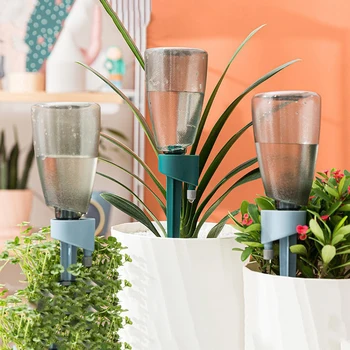
Install a rain barrel or use reclaimed greywater for irrigation. Drip irrigation systems can reduce water use by up to 50% compared to overhead sprinklers (Waterwise, 2022).
Soil health and composting
Rotate crops and incorporate cover crops like clover or rye to fix nitrogen and prevent soil erosion. Compost kitchen scraps and garden waste to create a closed‑loop nutrient cycle.
Actionable tip
Set a monthly reminder to test soil pH and nutrient levels using a simple kit. Adjust with lime or sulfur as needed to keep pH between 6.0 and 6.8 for most vegetables.
Quick Reference Checklist
- Choose organic, region‑adapted seeds.
- Mix a sustainable starter medium (coconut coir, vermicompost, perlite, gypsum).
- Provide 12‑hour full‑spectrum LED lighting at 200‑300 µmol·m⁻²·s⁻¹.
- Maintain 20‑24°C temperature and 70% humidity.
- Water using bottom‑watering or fine mist; avoid leaf wetness.
- Hardening off for 7‑10 days before outdoor transplant.
- Use biodegradable pots and compost tea for transplant vigor.
- Implement drip irrigation and rainwater harvesting for water savings.
- Rotate crops, add cover crops, and compost regularly.
- Test soil monthly and adjust pH as needed.
By following these data‑backed steps, you’ll not only enjoy a flourishing indoor garden but also contribute to a healthier planet. Sustainable gardening isn’t a one‑time project—it’s a continuous cycle of observation, adjustment, and improvement. Start small, track your results, and watch your garden grow greener, one seed at a time. 🌱✨