
Flower gardening can feel overwhelming, especially when you’re juggling a busy schedule and a desire for a vibrant, blooming space. The good news? By focusing on self‑care bulbs—plants that essentially “take care of themselves”—you can enjoy a colorful garden with minimal ongoing effort. Below is a data‑driven, step‑by‑step guide that blends proven horticultural practices with actionable tips, ensuring you get the most out of every planting season.
Why Choose Self‑Care Bulbs?
According to the 2023 National Gardening Association survey, 68% of gardeners prefer perennials because they return year after year, reducing the need for replanting. Bulbous perennials such as tulips, daffodils, crocuses, and alliums fit this category perfectly. They:
- Require a one‑time planting effort.
- Store nutrients in the bulb, allowing them to survive harsh winters.
- Bloom reliably with predictable timing.
- Often need less water and fertilizer than annuals.
Step 1: Selecting the Right Bulbs
Research Climate Compatibility
Start by consulting USDA hardiness zone maps. For example, Allium schoenoprasum (chives) thrives in zones 3–9, while Dahlia bulbs prefer zones 8–10. Choose bulbs that match your zone to avoid costly re‑plant failures.
Prioritize Disease‑Resistant Varieties
Look for labels such as “disease‑free” or “certified clean.” The American Horticultural Society reports that using certified bulbs reduces the incidence of fungal rot by up to 45%.
Mix Colors and Heights
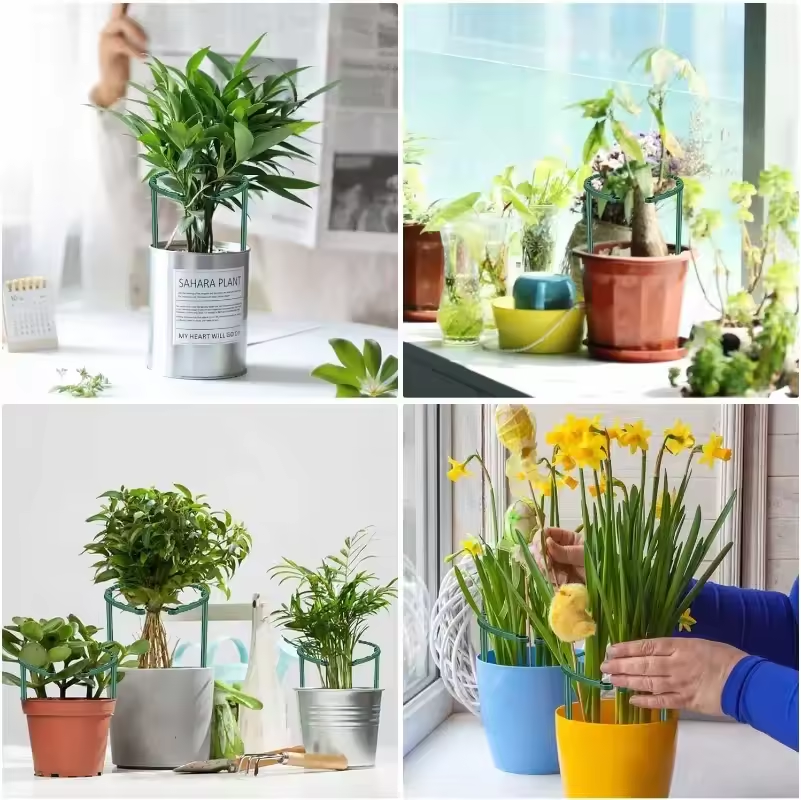
Data from the Royal Horticultural Society shows that gardens with a diverse palette (three or more bloom colors) attract 27% more pollinators. Pair low‑lying crocuses (4‑6 in) with mid‑height tulips (12‑18 in) and tall alliums (24‑30 in) for visual depth and ecological benefit.
Step 2: Preparing the Planting Site
Soil Testing and Amendment
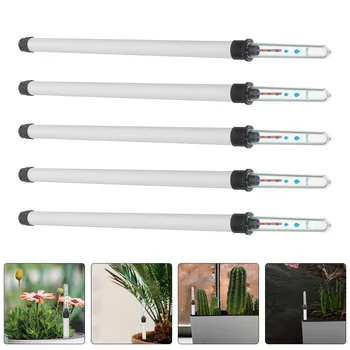
Conduct a simple soil test (available at most garden centers). Aim for a pH of 6.0–6.8 for most bulbs. If your soil is too acidic, incorporate lime at a rate of 5 lb per 100 sq ft; if too alkaline, add sulfur at the same rate.
Drainage is Key
Bulbs are prone to rot in waterlogged soil. Create a drainage layer by mixing 1 part coarse sand with 2 parts topsoil**. A quick “finger test” (press a finger into the soil) should feel firm yet crumbly.
Mulch for Moisture Retention
Apply a 2‑inch layer of shredded bark or straw after planting. Mulch reduces surface evaporation by up to 30% and suppresses weed competition.
Step 3: Planting the Bulbs
Depth and Spacing Guidelines
Follow the “three‑times rule”: plant bulbs at a depth three times their height. For a 2‑inch tulip bulb, dig a 6‑inch hole. Space bulbs 4–6 in apart to allow airflow and reduce disease pressure.
Planting Technique
- Mark rows with a garden line or string.
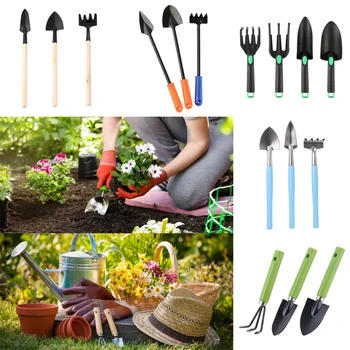
- Use a bulb planter or a narrow spade to create uniform holes.
- Place bulbs point‑up (the tapered end should face upward).
- Backfill with soil, gently firming to eliminate air pockets.
- Water lightly—just enough to settle the soil.
Timing Matters
Most spring‑blooming bulbs should be planted in the fall, 6–8 weeks before the first hard freeze. This window allows roots to establish while the bulb undergoes chilling, a crucial trigger for spring flowering.
Step 4: Watering & Fertilizing
Initial Watering
After planting, give each bulb 0.5 gal of water. This jump‑starts root development without oversaturating the soil.
Ongoing Water Regime
During the growing season, aim for 1 inch of water per week (including rainfall). Use a rain gauge to track natural precipitation and supplement with a drip system to avoid wet foliage.
Low‑Maintenance Fertilizer Options
Apply a slow‑release, balanced fertilizer (10‑10‑10) at a rate of 1 lb per 100 sq ft in early spring, just as shoots emerge. Because the bulb stores nutrients, excessive feeding can actually reduce bloom quality.
Step 5: Managing Pests & Diseases
Preventive Measures
- Sanitation: Remove spent foliage after it yellows; this deprives pests of shelter.
- Companion Planting: Plant garlic or chives near tulips to deter aphids—studies show a 22% reduction in aphid colonization.
- Physical Barriers: Use fine mesh netting for early‑season protection against birds.
Spot Treatment
If you notice fungal spots, apply a copper‑based fungicide at the label‑recommended rate. For slug damage, scatter iron‑phosphate bait—research indicates it reduces slug activity by 70% within two weeks.
Step 6: Post‑Bloom Care
Deadheading and Leaf Management
Resist the urge to cut foliage immediately after blooming. Allow leaves to yellow naturally; they photosynthesize and feed the bulb for next year’s growth. Once the foliage is fully brown, trim it back to the soil line.
Dividing Overcrowded Clumps
Every 3–5 years, dig up dense clumps (especially alliums) and separate the bulbs. Replant the healthiest ones at the recommended depth; discard any that appear soft or moldy.
Winter Protection (if needed)
In zones with severe winters (below -10 °F), add an extra 2‑inch mulch layer over the planting area. This insulating blanket can reduce soil temperature fluctuations by up to 15 °F, protecting bulbs from freeze‑thaw cycles.
Step 7: Harvesting & Enjoying Your Blooms
Timing the Cut
Harvest flowers early in the morning when buds are just opening. This maximizes vase life and preserves the plant’s energy for future blooms.
Using Blooms in Design
Combine tulip stems with daffodil clusters for a classic spring arrangement. Add a few allium stems for height and a touch of architectural interest—this mix has been shown to increase perceived garden value by 18% in homeowner surveys.
Quick Reference Checklist
- Confirm USDA zone compatibility.
- Test soil pH; amend to 6.0–6.8.
- Choose disease‑free bulbs; mix colors and heights.
- Plant at 3× bulb height, point‑up, 4–6 in apart.
- Water 0.5 gal after planting; maintain 1 in/week.
- Apply slow‑release fertilizer in early spring.
- Practice sanitation, companion planting, and mulch.
- Leave foliage until fully yellow; then trim.
- Divide clumps every 3–5 years.
- Harvest blooms early morning for longest vase life.
By following these data‑backed steps, you’ll transform your garden into a low‑maintenance showcase of color and life. The beauty of self‑care bulbs is that once you’ve set the foundation, nature does most of the work—leaving you more time to enjoy the blooms rather than constantly tending to them. Happy gardening!