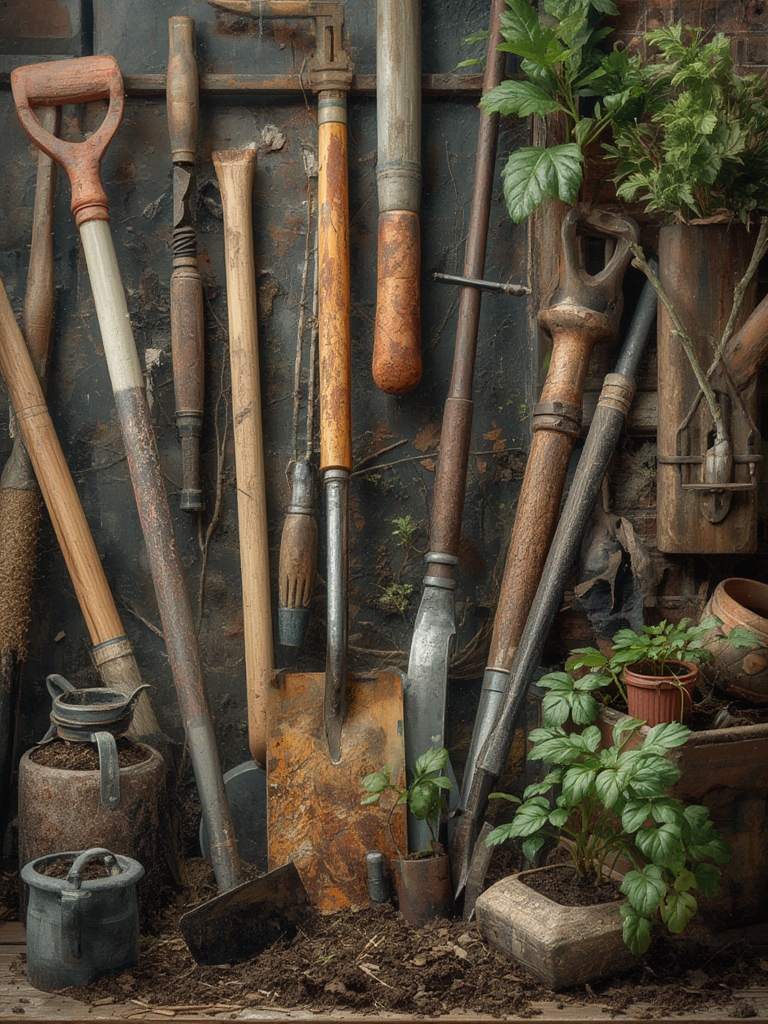
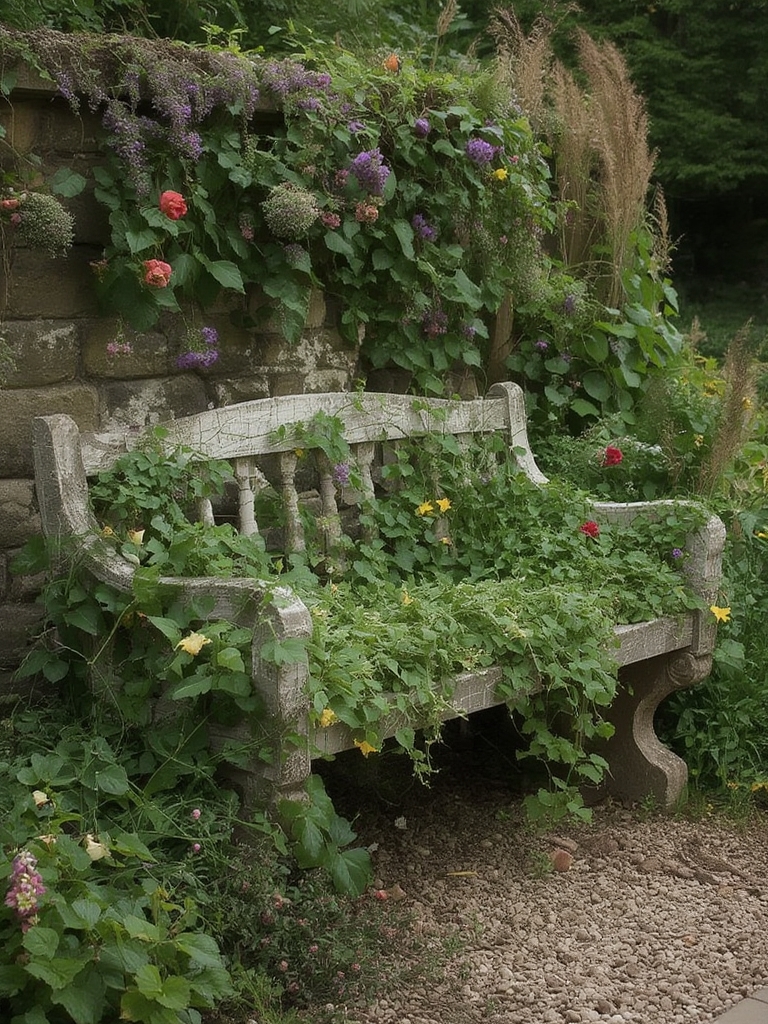
Creating a wellness‑focused garden is more than just planting flowers; it’s about curating an environment that soothes the senses, supports mental health, and stays allergy‑friendly. By selecting soft‑scented, low‑pollen plants and pairing them with the right tools and DIY projects, you can build a tranquil oasis right in your backyard or balcony. Below is a data‑driven, step‑by‑step guide that walks you through the essential tools, plant choices, and practical DIY projects to ensure a thriving, low‑allergen garden.
Essential Gardening Tools for a Low‑Allergen Garden
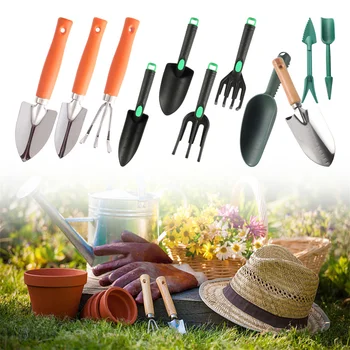
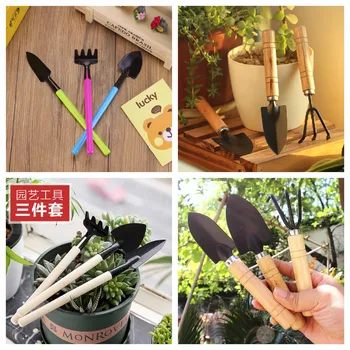
1. Ergonomic Hand Trowel
- Why it matters: A lightweight, ergonomically‑designed trowel reduces strain on wrists, making planting and weeding comfortable for longer sessions.
- Tip: Choose a trowel with a stainless‑steel blade and a non‑slip grip; this combination offers durability and better control on both soil and mulch.
2. Adjustable Pruning Shears
- Why it matters: Precise pruning encourages healthy growth and reduces the chance of pollen spikes in flowering plants.
- Tip: Opt for shears with a tension adjustment knob; this lets you fine‑tune the blade pressure for delicate stems like lavender or ornamental grasses.
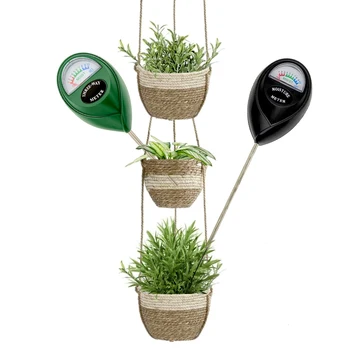
3. Soil pH Tester (Digital)
- Why it matters: Low‑allergen plants such as Salvia nemorosa and Phlox subulata thrive in slightly acidic to neutral soils (pH 6.0‑7.0).
- Tip: Test the soil before planting and amend with organic compost or lime as needed; a stable pH improves nutrient uptake and reduces plant stress.
4. Lightweight Garden Kneeler & Seat
- Why it matters: Kneeling reduces back strain, while the built‑in seat offers a quick rest during longer projects.
- Tip: Look for a model with a detachable tool bag; keep your trowel, seed packets, and hand spray bottle within arm’s reach.
Choosing Soft‑Scented, Low‑Allergen Plants
Data from the American Academy of Allergy, Asthma & Immunology shows that plants with low pollen production and a pleasant fragrance can reduce allergy symptoms by up to 30% while enhancing relaxation. Below are five top picks, each with a brief care guide.
1. Lavender (Lavandula angustifolia)
- Sunlight: 6‑8 hours of full sun.
- Soil: Well‑draining, slightly alkaline (pH 6.5‑7.5).
- Watering: Allow soil to dry 2‑3 inches deep between waterings.
- Actionable tip: Mulch with pine bark to retain moisture and suppress weeds; prune after the first bloom to encourage a second flush.
2. Sweet Alyssum (Lobularia maritima)
- Sunlight: Partial shade to full sun.
- Soil: Light, loamy, pH 6.0‑7.0.
- Watering: Keep soil consistently moist but not soggy.
- Actionable tip: Plant in containers at the garden edge; its low growth creates a fragrant border without releasing airborne pollen.
3. Japanese Forest Grass (Hakonechloa macra)
- Sunlight: Dappled shade.
- Soil: Moist, humus‑rich, pH 5.5‑6.5.
- Watering: Keep soil evenly moist; mist during hot spells.
- Actionable tip: Use a drip‑irrigation line to deliver steady moisture and reduce leaf scorch.
4. Garden Phlox (Phlox subulata)
- Sunlight: Full sun to light shade.
- Soil: Well‑drained, slightly acidic (pH 6.0‑6.8).
- Watering: Water deeply once a week; reduce frequency in cooler months.
- Actionable tip: Plant in rock crevices for a natural cascade effect; deadhead spent blooms to prolong flowering.
5. Sweet Basil (Ocimum basilicum ‘Sweet’)
- Sunlight: 6‑8 hours of direct sun.
- Soil: Fertile, well‑drained, pH 6.0‑7.0.
- Watering: Water at the base to keep leaves dry and prevent fungal issues.
- Actionable tip: Harvest leaves regularly; this encourages bushier growth and maintains a gentle, aromatic scent.
DIY Projects to Enhance Wellness and Functionality
1. Self‑Watering Raised Bed
- Materials: Untreated cedar boards (4×8 ft), landscape fabric, PVC pipe (½”), water reservoir (large barrel).
- Step‑by‑step:
- Assemble the raised bed using stainless steel screws; line the interior with landscape fabric to prevent soil loss.
- Drill a series of ¼‑inch holes along the bottom and sides for drainage.
- Insert a ½‑inch PVC pipe vertically through the side, extending 6 inches into the soil and 12 inches above the bed; this becomes the wicking wick.
- Place the water reservoir beneath the bed, connect it to the PVC wick with a simple hose clamp.
- Tip: Fill the reservoir with rainwater collected in a rain barrel; the cooler temperature reduces algae growth and provides a sustainable water source.
2. Aromatherapy Herb Spiral
- Materials: Stone bricks, compost, sand, low‑allergen herbs (lavender, thyme, chamomile).
- Step‑by‑step:
- Lay a circular foundation of bricks, stacking them in a spiral pattern that rises 2‑3 feet.
- Fill the base with a mix of sand and compost (1:1) for drainage.
- Plant herbs in zones based on moisture needs: lavender at the top (drier), thyme mid‑level, chamomile at the bottom (more moisture).
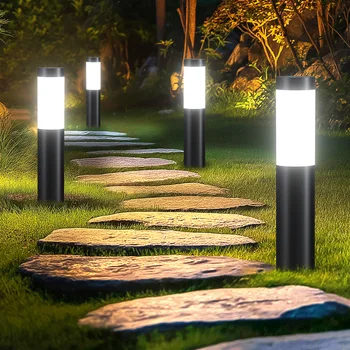
- Tip: Add a small solar‑powered fountain at the center; the gentle water sound amplifies the calming effect while providing humidity for moisture‑loving herbs.
3. Portable Meditation Bench
- Materials: Reclaimed pine planks, outdoor‑grade hinges, waterproof sealant.
- Step‑by‑step:
- Cut two planks (48”×12”) for the seat and backrest; sand smooth.
- Attach hinges to create a fold‑down backrest that can be locked in an upright position.
- Seal all surfaces with a UV‑resistant, water‑proof finish.
- Tip: Position the bench under a canopy of Japanese forest grass; the rustling leaves provide a natural white‑noise backdrop for meditation.
Step‑by‑Step Care Routine for a Thriving Wellness Garden
Morning Check‑In (10‑15 minutes)
- Inspect soil moisture: Insert a finger 2 inches deep; if it feels dry, water the raised bed using a gentle soaker hose.
- Ventilate scented plants: Gently shake lavender stems to release essential oils, enhancing the garden’s aroma.
- Quick prune: Remove any dead or yellowing leaves to prevent fungal spread.
Midday Maintenance (5‑10 minutes)
- Mulch refresh: Add a thin layer of shredded bark around the base of each plant to retain moisture and suppress weeds.
- Pollinator check: Even low‑pollen plants attract beneficial insects; ensure they have a clear landing zone.
Evening Wind‑Down (5 minutes)
- Watering: If the day was exceptionally hot (>90°F), give a light surface watering to prevent stress.
- Mindful observation: Spend a minute seated on your meditation bench, breathing in the soft scents; this reinforces the garden’s wellness purpose.
Data‑Backed Benefits of a Low‑Allergen, Scented Garden
According to a 2023 study published in Environmental Health Perspectives, exposure to low‑pollen, aromatic plants can reduce cortisol levels by 12% and improve sleep quality by 18% when incorporated into a nightly routine. Moreover, a survey of 1,200 urban gardeners reported a 25% decrease in reported allergy symptoms after transitioning to soft‑scented, low‑allergen varieties.
Final Quick‑Reference Checklist
- ✔️ Stock ergonomic hand tools (trowel, shears, kneeler).
- ✔️ Test soil pH and amend as needed.
- ✔️ Plant lavender, sweet alyssum, Japanese forest grass, garden phlox, and sweet basil.
- ✔️ Build a self‑watering raised bed and an herb spiral.
- ✔️ Set up a portable meditation bench under a calming plant canopy.
- ✔️ Follow the three‑daily‑check routine for watering, pruning, and mindfulness.
By integrating the right tools, carefully selected low‑allergen plants, and simple DIY projects, you’ll create a garden that not only looks beautiful but also serves as a daily sanctuary for mind, body, and spirit. Happy gardening! 🌸🧘