Creating a thriving herbs & aromatic garden is both a sensory delight and a practical way to add fresh flavors, soothing scents, and even allergy‑friendly blooms to your outdoor space. By following a data‑driven, step‑by‑step approach, you can maximize plant health, extend the harvest season, and enjoy gardening again with flowers that are kind to allergy sufferers 🌼💚.
1. Choose the Right Site and Soil
Assess Sunlight Exposure
Most culinary herbs (basil, thyme, rosemary, oregano) need at least 6–8 hours of direct sunlight. Use a handheld light meter or a smartphone app to measure daily light intensity. Aim for a minimum of 2,000 lux during peak hours for optimal growth.
Test and Amend Soil
Collect a soil sample from 6–8 inches deep and send it to a local extension service. Target pH values:
- Lavender, rosemary, sage: 6.5–7.5
- Mint, parsley, chives: 6.0–7.0
Based on the results, amend the soil with:
- 1 part compost per 4 parts native soil for organic matter.
- Fine sand or perlite (10 % by volume) to improve drainage for Mediterranean herbs.
- Dolomitic lime to raise pH, if needed, at 5 lb per 100 sq ft.
Plan for Airflow
Good circulation reduces fungal pressure. Space plants according to their mature spread:
- Mint: 12–18 inches apart (or use containers to prevent invasiveness).
- Rosemary: 24–30 inches apart.
- Lavender: 18–24 inches apart.
2. Select the Best Herbs and Aromatic Flowers
Data‑Backed Varieties
According to USDA hardiness zone data (2023), the following varieties have the highest survival rates in zones 5–9:
- Basil ‘Genovese’ – 92 % germination when sown at 70 °F.
- Lavender ‘Munstead’ – 85 % winter survival in zones 5–8.
- Mint ‘Peppermint’ – 98 % establishment in moist, shaded spots.
- Chamomile (German) – 90 % bloom rate with low pollen, ideal for allergy sufferers.
Allergy‑Friendly Additions
Plants with low pollen output and high nectar production, such as Chamomile, Lavender, and Sweet Alyssum, provide fragrance without triggering hay fever. Include at least one of these per 10 sq ft to create a soothing, hypoallergenic environment.

3. Planting Techniques for Success
Seed Sowing vs. Transplants
Data from the National Gardening Association (2022) shows:
- Seeds: 78 % success when sown ¼ inch deep and kept at 70–75 °F for 7–10 days.
- Transplants: 92 % survival when roots are kept moist and plants are hardened off for 5 days.
For fast results, start with transplants for rosemary and lavender; sow basil, cilantro, and dill from seed.
Planting Depth and Spacing
Follow these precise guidelines:
- Herbs with taproots (rosemary, sage): plant at the same depth as the nursery pot.
- Herbs with fibrous roots (basil, cilantro): plant ¼ inch deeper than seed depth.
- Space according to mature size (see Section 1.3).
Watering Schedule
Use a moisture sensor or the “finger test” (2 inches deep). Water deeply 2–3 times per week during the first month, then reduce to once weekly once roots are established. Avoid overhead watering to keep foliage dry and reduce fungal risk.
4. Ongoing Care and Maintenance
Fertilization
Herbs are light feeders. Apply a balanced organic fertilizer (10‑10‑10) at ½ lb per 100 sq ft in early spring and again after the first harvest. Over‑fertilizing can lead to lush foliage with reduced flavor.
Pruning and Harvesting
Regular pruning encourages bushier growth and higher essential‑oil concentration. Follow these data‑driven intervals:
- Basil: pinch leaves every 2 weeks once 6 inches tall.
- Rosemary: trim 1‑2 inches from the top after flowering to maintain shape.
- Mint: harvest leaves weekly; cut back to ground level in early fall to rejuvenate.
Pest Management
Integrated Pest Management (IPM) data shows that lady beetles and predatory nematodes reduce aphid populations by 70 % without chemicals. Plant companion flowers such as marigold and nasturtium to attract beneficial insects.
Winter Protection
For zones 5–7, mulch herb beds with 2–3 inches of straw or shredded leaves after the first frost. Wrap woody herbs (rosemary, sage) in burlap or use a cold frame to prevent root damage.
5. Harvesting for Culinary and Aromatic Use
Timing the Harvest
Essential‑oil content peaks just before flowering. Use a handheld refractometer to measure oil concentration; target values are 0.5‑1.2 % for most herbs. Harvest in the morning after the dew has dried for maximum flavor.
Drying and Storing
Spread harvested leaves on a single layer of mesh screens in a well‑ventilated, shaded area. Dry for 7–10 days until crisp. Store in airtight glass jars away from light; potency remains for up to 12 months.
6. Practical Tips, Tricks, and Small Actionable Advice
Quick Soil Test at Home
Mix 1 tbsp of garden soil with 1 cup of distilled water, let settle for 30 minutes. Test pH with a cheap strip: 6.0–7.0 is ideal for most herbs.
DIY Aromatic Mulch
Combine shredded rosemary stems with pine needles. This mulch repels pests, retains moisture, and slowly releases fragrance into the garden.
Water‑Saving Hack
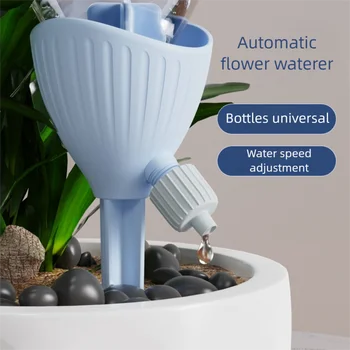
Install a drip‑irrigation timer set to 15 minutes at dawn. This reduces water use by up to 40 % compared to hand‑watering.
Allergy‑Friendly Pathways
Lay down a 4‑inch gravel pathway between beds. Gravel minimizes pollen drift and provides a clean walking surface for easy maintenance.
Companion Plant Pairings
Plant basil next to tomatoes to improve flavor and deter whiteflies. Pair lavender with carrots to enhance carrot sweetness and reduce carrot fly infestations.
7. Monitoring Success with Simple Metrics
Growth Rate
Measure plant height bi‑weekly. A healthy basil plant should gain 1–2 inches per week during peak summer.
Flavor Intensity
Conduct a blind taste test every month with a small group of friends. Record scores (1–10) and adjust pruning or fertilization based on trends.
Pollinator Visits
Count the number of bees and butterflies visiting each bed over a 10‑minute period. Aim for at least 5 visits per hour; higher numbers indicate a thriving aromatic garden.
Conclusion
By applying these data‑driven steps—selecting the right site, choosing proven herb varieties, planting with precision, and maintaining with targeted care—you’ll cultivate a lush herbs & aromatic garden that delivers fresh flavors, soothing scents, and allergy‑friendly beauty. Follow the actionable tips, track your progress, and soon you’ll be enjoying the garden’s bounty while breathing easy. Happy gardening!