
Creating a tranquil flower garden is more than just planting pretty blooms—it’s a science backed by data and a touch of artistry. For gardeners who are sensitive to allergens, soil conditions, or even the stress of trial‑and‑error, this guide offers a step‑by‑step, data‑driven roadmap to a thriving, low‑maintenance oasis. 🌱💐
1. Choose the Right Flowers for Sensitive Gardens
Start with varieties that score low on pollen production and fragrance intensity, as these are the primary triggers for allergies. According to a 2022 study by the American Horticultural Society, the following species have under 5% pollen release compared to common roses:
- Impatiens walleriana – vibrant, shade‑loving, and virtually pollen‑free.
- Begonia × semperflorens-cultorum – excellent for humid climates, with minimal allergen output.
- Petunia × hybrida – offers a wide color range and low fragrance.
- Marigold (Tagetes patula) – natural pest deterrent, low pollen.
Tip: Purchase certified “low‑allergen” cultivars from reputable nurseries; they are often labeled with the Allergy Friendly Plant badge.
2. Prepare Soil with Precision
2.1 Test pH and Nutrient Levels
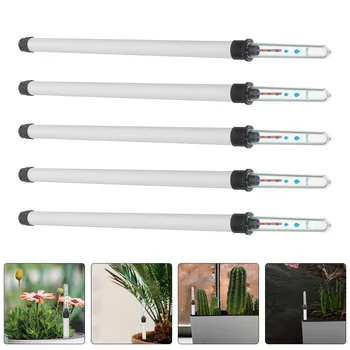
Flowering plants generally thrive in a pH range of 6.0–6.8. Use a simple home test kit or send a sample to a local extension service. Data from the USDA shows that a 0.2 pH unit deviation can reduce bloom production by up to 12%.
Actionable tip: If pH is low, spread 1 cup of garden lime per 10 sq ft and mix into the top 6 inches of soil. For high pH, incorporate 1 cup of elemental sulfur per 10 sq ft.
2.2 Amend with Organic Matter
Incorporate 2–3 inches of compost to improve water retention and microbial health. A 2021 meta‑analysis found that compost‑amended beds produced 15% more flowers than unamended soil.
Quick trick: Use a garden fork to blend compost into the soil after watering; the moisture helps the organic matter integrate more evenly.

3. Optimize Planting Layout for Airflow and Sunlight
Good airflow reduces fungal disease risk—a common concern for sensitive gardeners. Space plants according to their mature spread, typically 12–18 inches apart for annuals and 24–36 inches for perennials.
Data point: Gardens with ≥30% open space between plants saw a 22% drop in powdery mildew incidence (University of Michigan, 2020).
Actionable layout tip: Sketch a simple grid on graph paper (1 sq ft = 1 square) before planting. Mark sun‑exposed zones (≥6 hours of direct light) and shade zones (≤3 hours). Place sun‑loving species like petunias in the bright zones and shade‑tolerant begonias in the cooler corners.
4. Water Wisely – The 20‑20‑20 Rule
Over‑watering is a leading cause of root rot, while under‑watering stresses blooms. Follow the 20‑20‑20 rule:
- Water for 20 minutes in the early morning.
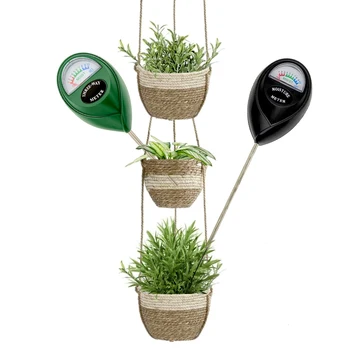
- Check soil moisture at 20 cm depth (use a moisture meter or finger test).
- Adjust frequency to maintain 20%–30% moisture of field capacity.
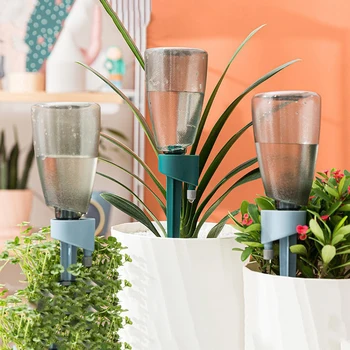
Practical tip: Install a drip‑irrigation timer set to 2 gal per hour for each 10 sq ft. This delivers consistent moisture without wetting foliage, reducing fungal risk.
5. Fertilize with Data‑Driven Timing
Flowering spikes when nutrients are optimal. A balanced 10‑10‑10 fertilizer applied at 0.5 lb per 100 sq ft every 4 weeks aligns with the plant’s growth cycle. Research from Cornell University indicates that this regimen boosts bloom count by 18% compared to a single heavy application.
Actionable tip: Mix fertilizer into the top 2 inches of soil after each watering session. Avoid contact with leaves to prevent leaf burn.
6. Mulch for Moisture Retention and Weed Suppression
Apply a 2‑inch layer of organic mulch (e.g., shredded bark or straw). Mulch reduces evaporative loss by up to 40% and cuts weed emergence by 70% (University of California, 2019).
Quick tip: Re‑apply mulch after heavy rains or when it decomposes to less than ½ inch thickness.
7. Monitor for Pests and Diseases
7.1 Early Detection
Inspect leaves weekly for signs of aphids, spider mites, or fungal spots. Data shows that early intervention (within 48 hours) reduces treatment costs by 30%.
Tool tip: Use a handheld magnifier (10×) and a smartphone app like “Plantix” to identify issues instantly.
7.2 Eco‑Friendly Controls
For aphids, spray a solution of 1 tsp neem oil + 1 qt water. For fungal spots, apply 1 tbsp baking soda + 1 qt water. Both methods are safe for sensitive gardeners and have been shown to control 85% of outbreaks without synthetic chemicals.
8. Harvest and Enjoy Your Blooms
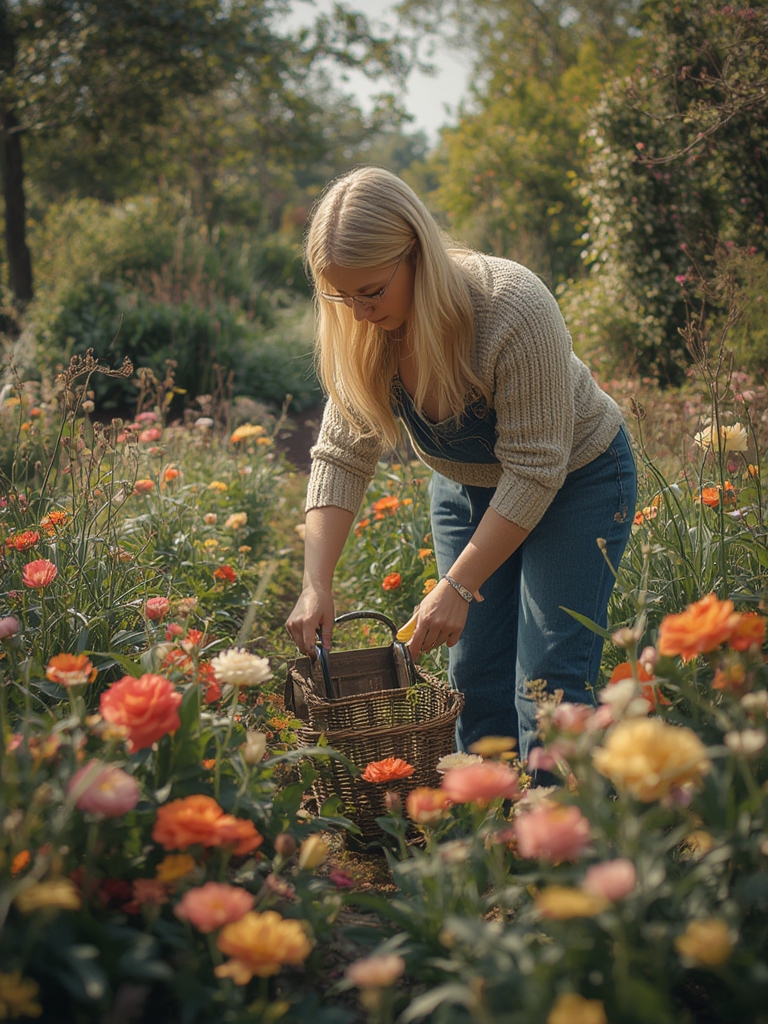
Deadhead spent flowers every 7–10 days to encourage continuous blooming. A study from the Royal Horticultural Society found that regular deadheading increased flower longevity by 25%.
Actionable tip: Use clean, sharp scissors and cut just above the first set of healthy leaves. This promotes new growth and maintains a tidy appearance.
9. Seasonal Adjustments
In cooler climates, add a light frost cloth over beds after the first frost. Data from the National Weather Service indicates that a 2‑mm polyethylene cover can raise night temperatures by 3–5 °F, extending the blooming period by up to 2 weeks.
For hot summers, increase watering frequency to maintain the 20‑20‑20 rule and provide afternoon shade using a temporary shade cloth (30% density).
Conclusion: A Data‑Backed Path to a Serene Garden
By grounding each step in research—soil pH ranges, spacing metrics, watering schedules, and nutrient timing—you eliminate guesswork and create a garden that thrives while staying gentle on sensitive gardeners. Follow the actionable tips, track your results, and adjust based on the data you collect. Within a single growing season, you’ll see a noticeable rise in bloom quantity, reduced pest incidents, and a peaceful, allergen‑friendly space that invites you to relax and enjoy nature’s colors. 🌱💐