Welcome to your guide on sustainable gardening—a practical, data‑driven approach that helps you grow thriving plants while protecting the planet. By integrating low‑impact techniques, smart resource management, and a few clever hacks, you’ll not only enjoy a lush garden but also reduce water use, cut waste, and boost biodiversity. Below you’ll find clear, step‑by‑step instructions, actionable tips, and a special focus on how to multiply your favorite perennials for free through division.
1. Plan Your Garden with an Eco‑Friendly Mindset
Assess Your Space and Climate
- Map the area: Sketch a simple layout of your garden, noting sun exposure (full sun, partial shade, full shade) and wind patterns. Use a smartphone app or a basic sun‑path chart to collect data for each zone.
- Check USDA hardiness zone: Knowing your zone helps you select plants that naturally thrive, reducing the need for extra inputs.
- Soil testing: Use a home soil test kit (pH, nitrogen, phosphorus, potassium). Record the results in a spreadsheet to track changes over time.
Select Native and Drought‑Tolerant Plants
- Choose species native to your region; they require less water and fertilizer.
- Incorporate drought‑tolerant varieties like lavender, sage, and ornamental grasses.
- Mix in nitrogen‑fixing plants (e.g., clover, lupines) to naturally enrich the soil.
2. Build Healthy Soil Without Chemicals
Compost the Right Way
- Balance greens and browns: Aim for a 1:2 ratio of kitchen scraps (greens) to dried leaves or straw (browns). This ratio speeds up decomposition and minimizes odors.
- Turn weekly: Aeration prevents anaerobic conditions that produce methane. A simple garden fork works well.
- Use a compost thermometer: When the pile reaches 55‑65 °C (130‑150 °F), pathogens are killed, and the compost is ready in 2‑3 months.
Amend Soil with Organic Matter
- Spread a 2‑inch layer of well‑rotted compost over planting beds and lightly incorporate it with a garden fork.
- Add a thin coat of leaf mulch (½‑inch) after planting to retain moisture and suppress weeds.
- For heavy clay soils, mix in coarse sand or fine gravel (10‑15% of the soil volume) to improve drainage.
3. Water Wisely to Conserve Resources
Install Efficient Irrigation
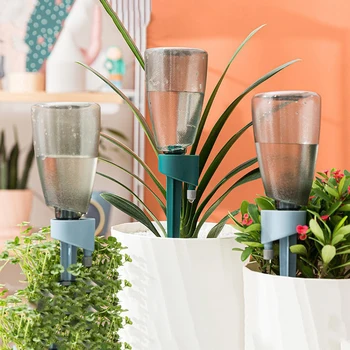
- Use drip‑line emitters placed at the base of each plant; they deliver water directly to the root zone, reducing evaporation by up to 70% compared to sprinklers.
- Set timers to water early in the morning (5‑7 am) when wind and temperature are low.
- Integrate a rain sensor or soil moisture probe to automatically skip watering when soil moisture exceeds 30% (for most garden plants).
Employ Mulch and Groundcovers
- Apply 2‑3 inches of organic mulch (shredded bark, straw, or pine needles) to keep soil cool and moist.
- Plant low‑growth groundcovers such as creeping thyme or sedum to shade the soil and further reduce water loss.
4. Multiply Your Favorite Plants for Free: Dividing Perennials
Why Division Works
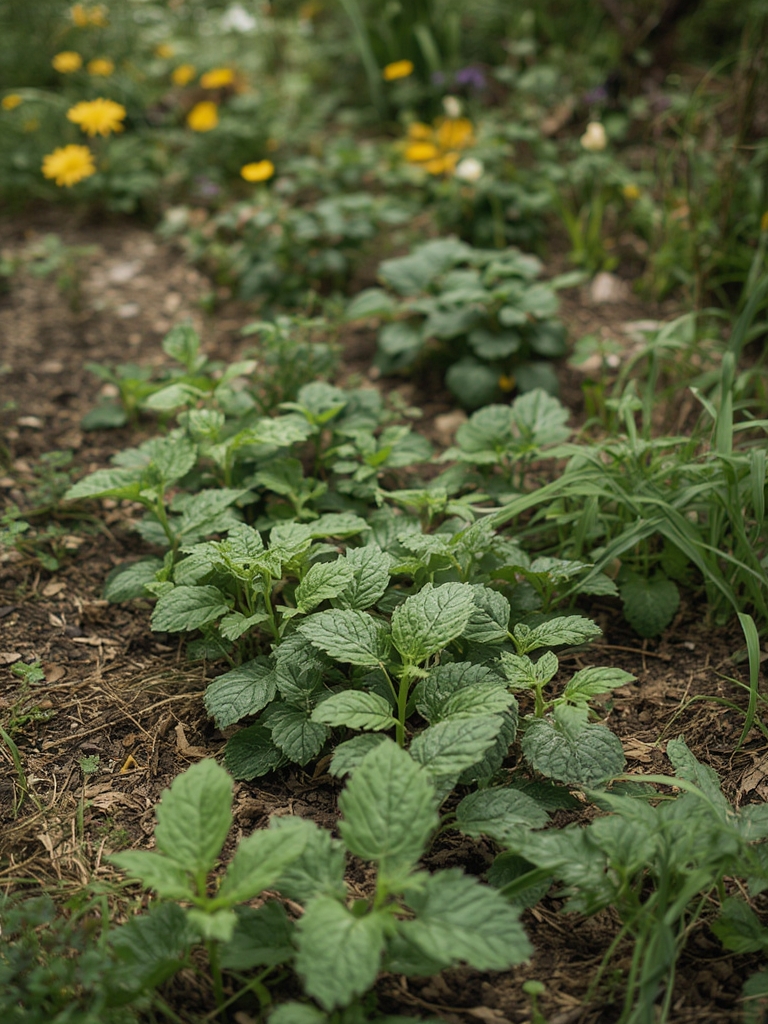
Dividing perennials every 2‑4 years rejuvenates the plant, encourages vigorous growth, and instantly gives you new, healthy specimens without purchasing more stock. This method is especially effective for clump‑forming species like hostas, daylilies, and ornamental grasses.

Step‑by‑Step Division Process
- Choose the right time: Early spring (as growth resumes) or early fall (after the first flush) are optimal. Soil is still warm, and the plant can recover before extreme temperatures.
- Prepare the area: Loosen the soil where you’ll replant the divisions. Add a handful of compost to each planting spot.
- Dig up the clump: Use a spade to cut around the perimeter, 6‑8 inches away from the plant’s edge. Gently lift the whole root ball.
- Separate the sections: Using a sharp knife or garden fork, split the clump into smaller sections, each with at least 2‑3 healthy shoots and a good portion of roots.
- Trim damaged roots: Cut any broken or mushy roots with clean pruning shears. This reduces transplant shock.
- Replant promptly: Place each division at the same depth it was growing before. Fill in with soil, firm gently, and water thoroughly.
- Mulch and protect: Apply a thin mulch layer (½‑inch) and consider a temporary shade cloth if temperatures are high.
Tips for Success
- Label each division with the plant name and date of division; this helps track growth and plan future divisions.
- Water daily for the first week, then reduce to a regular schedule once the plants show new growth.
- Avoid fertilizing for the first month; let the roots establish before feeding.
5. Integrated Pest Management (IPM) for a Healthy Garden
Monitor and Identify Pests
- Spend 10‑15 minutes each week walking the garden and noting any signs of damage or insects. Use a free app like “Gardenize” to log observations.
- Identify pests to the species level; many “bad” insects are actually beneficial predators.
Use Physical and Biological Controls
- Install row covers or netting to keep out large insects while still allowing light and air flow.
- Introduce beneficial insects such as ladybugs, lacewings, or nematodes to control aphids, whiteflies, and soil‑borne pests.
- Apply neem oil or insecticidal soap only when thresholds are exceeded (e.g., >10% leaf area affected).
6. Harvest, Share, and Celebrate Your Sustainable Garden
Harvest with Care
- Pick vegetables and herbs in the morning after the dew has dried but before the sun intensifies; this preserves flavor and nutrients.
- For perennials, cut back spent flower stems after blooming to encourage a second flush and keep the plant tidy.
Close the Loop
- Donate excess produce to local food banks or share with neighbors—reducing food waste and building community.
- Compost plant trimmings and kitchen scraps to feed the soil for the next growing season.
- Document your garden’s progress with photos and data (e.g., water usage, yield). Over time, you’ll see clear evidence of how sustainable practices improve both productivity and environmental impact.
By following these data‑driven steps—planning wisely, nurturing soil, conserving water, multiplying perennials through division, managing pests responsibly, and closing the nutrient loop—you’ll create a resilient, low‑impact garden that thrives year after year. Happy planting, and enjoy the satisfaction of growing a greener future right in your backyard!