Why Sustainable Grass Is the Heart of Garden Inspiration
Healthy, chemical‑free grass transforms any outdoor space into a vibrant, inviting oasis. According to the U.S. EPA, lawns that rely on natural practices can reduce water usage by up to 30% and cut fertilizer runoff by 40%. By ditching synthetic chemicals, you not only protect local waterways but also create a resilient, low‑maintenance lawn that thrives year after year. This guide blends data‑driven insights with practical, step‑by‑step actions so you can grow greener grass while staying true to sustainable garden design principles.
Step 1: Assess and Prepare Your Soil
Test Your Soil pH and Nutrient Levels
Start with a simple DIY soil test kit or send a sample to a local extension service. Ideal grass pH ranges from 6.0 to 7.0. If the reading falls outside this window, you’ll know whether to add lime (to raise pH) or sulfur (to lower pH). A balanced nutrient profile—especially adequate nitrogen, phosphorus, and potassium—sets the stage for robust root development.
Amend with Organic Matter
Incorporate 2–3 inches of compost or well‑rotted manure into the top 6–8 inches of soil. This improves structure, boosts microbial activity, and increases water‑holding capacity. For a data‑backed boost, research shows that adding 1 % organic matter can increase soil moisture retention by up to 12 %.
Level and Aerate the Area
Use a garden rake to smooth out bumps and fill low spots. Then, rent a manual aerator or a spike aerator to create ¼‑inch holes every 4–6 inches. Aeration reduces soil compaction, allowing roots to access oxygen and water more efficiently—a key factor in drought‑resistant lawns.
Step 2: Choose the Right Grass Seed for Your Climate
Cool‑Season vs. Warm‑Season Grasses
Cool‑season grasses (e.g., Kentucky bluegrass, fescue) perform best in zones 3‑7, thriving in spring and fall. Warm‑season grasses (e.g., Bermuda, Zoysia) excel in zones 8‑11, flourishing during hot summers. Refer to the USDA Plant Hardiness Map to pinpoint your zone and select a species that matches local temperature patterns.
Consider Drought‑Tolerant Varieties
For sustainable lawns, opt for drought‑tolerant cultivars such as Tall Fescue ‘Rebel’ or Zoysia ‘Emerald’. These varieties require up to 40 % less water than traditional lawns, according to a study by the University of California’s Agriculture and Natural Resources department.
Mix Seeds for Diversity
Blend two or three compatible grasses to create a resilient lawn. A mix of fine‑leaf fescue and coarse‑leaf ryegrass, for example, offers both a soft texture and rapid germination, ensuring quick coverage while reducing the need for re‑seeding.

Step 3: Planting – Timing and Technique
Optimal Planting Window
Cool‑season grasses should be sown in early fall (mid‑September to early October) or late spring (late April to early May). Warm‑season grasses are best planted in late spring (mid‑May to early June) when soil temperatures consistently reach 65 °F (18 °C). Planting within these windows maximizes germination rates—often exceeding 85 %.
Seed Distribution and Coverage
Use a broadcast spreader for even distribution. Aim for a seeding rate of 5–7 pounds per 1,000 sq ft for most grasses. After spreading, lightly rake the area to ensure seed‑to‑soil contact, then roll with a lawn roller to press seeds gently into the soil.
Watering Schedule for Germination
Keep the soil consistently moist (not soggy) for the first 2–3 weeks. Water lightly 2–3 times daily, applying about ¼ inch each time. Once seedlings reach 2 inches tall, transition to a deeper, less frequent watering schedule—approximately 1 inch per week—to encourage deep root growth.
Step 4: Ongoing Care – Sustainable Practices
Mowing with Precision
Set your mower blade to a height of 2.5–3 inches for most cool‑season grasses and 1.5–2 inches for warm‑season varieties. Cutting no more than one‑third of the blade height at a time reduces stress and promotes a denser turf. Data from the National Turfgrass Evaluation Program shows that maintaining a higher mowing height can increase drought tolerance by up to 20 %.
Natural Weed Management
Hand‑pull weeds when they’re young, or use a vinegar‑based organic herbicide (5 % acetic acid) for spot treatments. Mulching around garden beds with shredded leaves also suppresses weed emergence while returning nutrients to the soil.
Fertilizing the Eco‑Way
Replace synthetic fertilizers with organic options such as compost tea, fish emulsion, or kelp extract. Apply a light dose (¼ cup per 100 sq ft) in early spring and again in early fall. Research indicates that organic fertilizers release nutrients more slowly, reducing leaching and improving soil health over time.
Water Conservation Techniques
Install a smart irrigation controller that adjusts watering based on weather forecasts and soil moisture sensors. Pair this with drip irrigation or soaker hoses for garden borders to minimize evaporation. According to the WaterSense program, smart controllers can cut water use by up to 30 % without compromising lawn health.
Step 5: Enhancing Garden Inspiration with Design Elements
Integrate Native Plant Borders
Plant low‑maintenance natives—such as lavender, coneflower, or ornamental grasses—along the lawn’s edge. These plants require minimal water and provide pollinator habitats, adding visual interest and ecological value.
Create Functional Zones
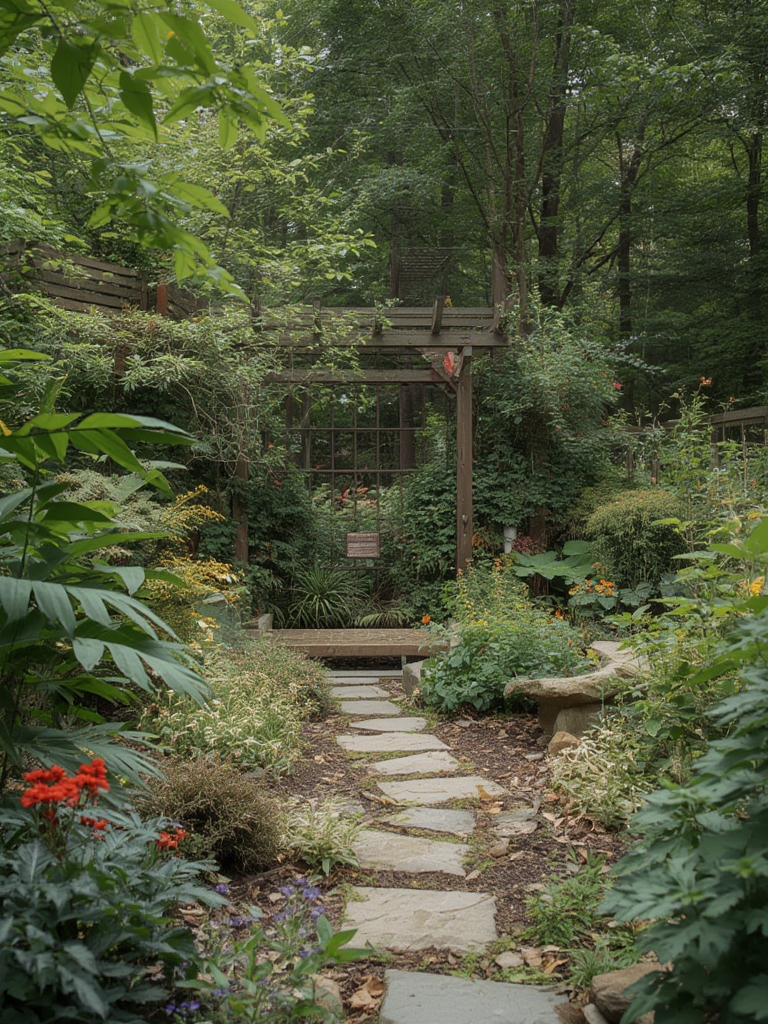
Designate areas for seating, play, or meditation. Use stepping stones or reclaimed wood pathways to delineate spaces without breaking the continuity of the grass. A well‑planned layout encourages frequent use, turning your sustainable lawn into a lively gathering spot.
Seasonal Accents
Refresh the garden’s look each season with temporary décor: spring bulbs, summer lanterns, autumn pumpkins, or winter evergreen wreaths. These small touches keep the space feeling fresh and inspire ongoing engagement with your garden.
Conclusion: Your Path to a Greener, Healthier Lawn
By following these data‑driven, step‑by‑step practices—soil testing, organic amendments, smart seed selection, precise watering, and eco‑friendly maintenance—you’ll cultivate a lush, chemical‑free lawn that serves as the centerpiece of garden inspiration. Not only will you enjoy a beautiful, resilient turf, but you’ll also contribute to a healthier environment, lower water bills, and a more sustainable lifestyle. Start today, and watch your garden transform into a thriving, low‑impact oasis that inspires both you and your neighbors.